grain4 recipes
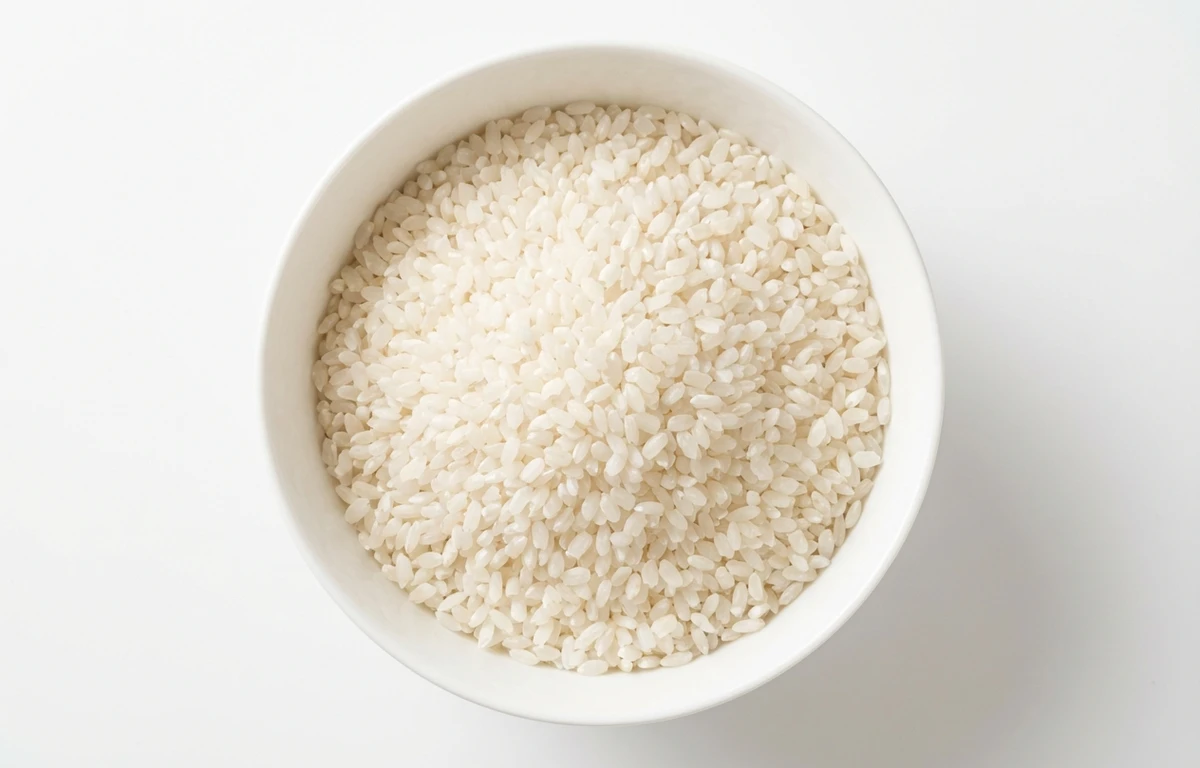
Kaima Rice.
VegetarianVeganGluten-freeDairy-freeNut-freePeanut-freeSoy-freeEgg-freeShellfish-freeHoney-freeAlcohol-free
SERVING
CALORIES
355
PROTEIN
6.5g
CARBS
79g
FAT
0.70g
FIBER
1.3g
NUTRITION PROFILE · per 100 g
Everything in this ingredient.
MACRONUTRIENTS
Calories355kcal—
Protein6.5g13%
Carbohydrates79g29%
Fiber1.3g5%
Sugar0.10g0%
Total fat0.70g1%
Saturated fat0.20g1%
Water12.5g—
MINERALS
Sodium5.0mg0%
Potassium105mg2%
Calcium12mg1%
Iron0.80mg4%
Magnesium28mg7%
Phosphorus110mg9%
Zinc0.70mg6%
Copper0.15mg17%
Manganese0.55mg24%
Selenium12µg22%
VITAMINS
Thiamin (B1)0.07mg6%
Riboflavin (B2)0.02mg2%
Niacin (B3)1.5mg9%
Pantothenic acid (B5)0.20mg4%
Vitamin B60.10mg6%
Folate (B9)10µg3%
%DV based on a 2,000 cal diet. Source: USDA FoodData Central. A dash in the %DV column means there’s no established Daily Value for that nutrient.
MEASUREMENT CONVERSIONS
How much is what.
1 cup0.5g
1 tablespoon7.7g
1 teaspoon22.2g
1 oz3.5g
1 lb0.2g
1 ml117.6g
1 liter0.1g
HEALTH BENEFITS
Why eat it.
- ✓Good source of energy
- ✓Naturally gluten-free
- ✓Easily digestible
- ✓Low in fat
COOKING TIPS
In the kitchen.
- 1Rinse the rice thoroughly under cold water before cooking until water runs clear.
- 2Typically cooked with a 1:2 rice to water ratio, but adjust based on desired texture.
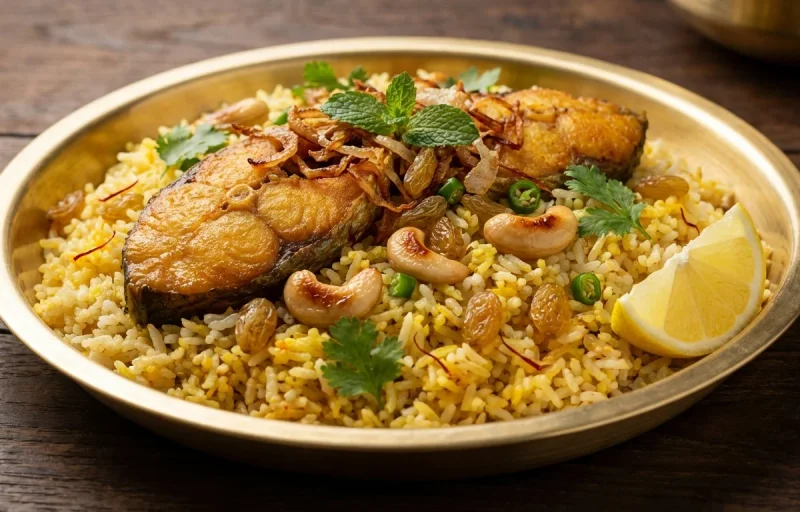
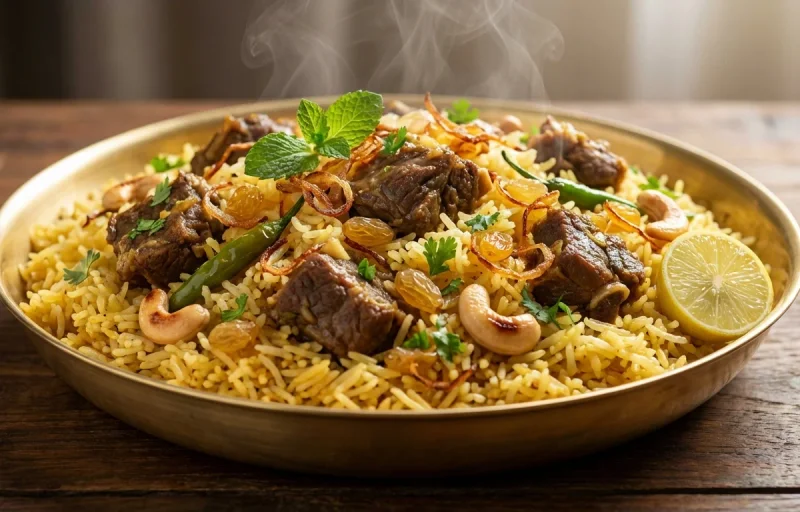
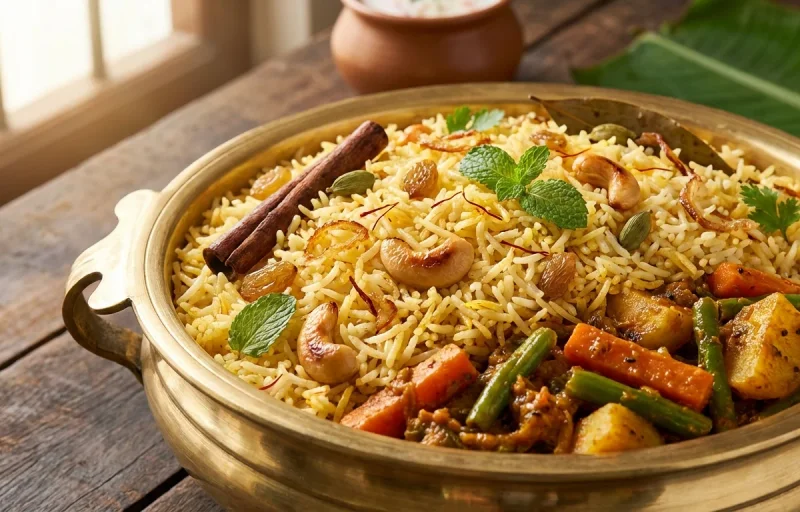
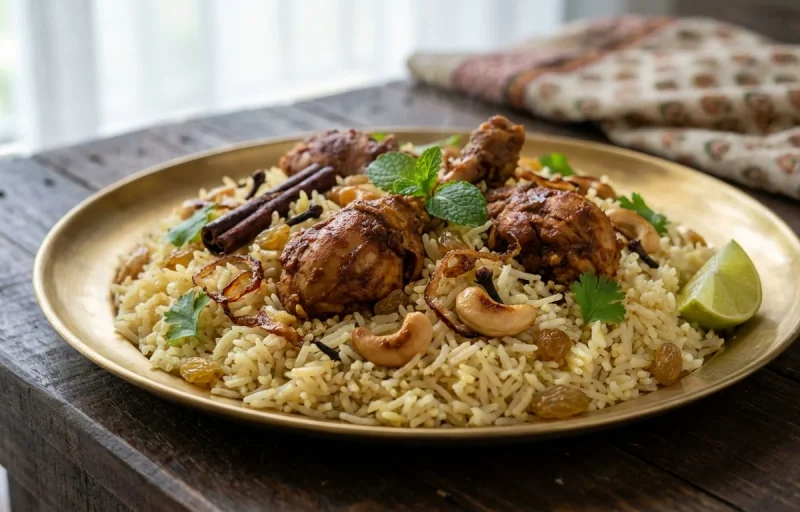
- 3Ideal for preparing aromatic dishes like biryani, pulao, and ghee rice due to its short grain and fragrance.
STORAGE
Keep it fresh.
- Store in an airtight container to prevent moisture and pests.
- Keep in a cool, dry place away from direct sunlight.
- Can be stored for several months to a year if properly sealed.
FAQ
Frequently asked questions.
Is Kaima rice healthy?
Yes, Kaima rice is a healthy source of energy that is naturally low in fat and cholesterol-free. It is easily digestible, making it a gentle option for the digestive system while providing essential carbohydrates for daily activity.
How many calories and carbs are in Kaima rice?
A 100g serving of Kaima rice contains approximately 355 calories and 79g of carbohydrates. It also provides about 6.5g of protein and a very low fat content of 0.7g, making it a high-energy grain.
Is Kaima rice gluten-free?
Yes, Kaima rice is naturally gluten-free. It is a safe and excellent carbohydrate source for individuals with celiac disease or those following a gluten-restricted diet.
Is Kaima rice good for weight loss?
Kaima rice can be part of a weight loss diet if consumed in moderation, as it is very low in fat. However, because it is high in calories and carbohydrates, portion control is essential compared to high-fiber alternatives like brown rice.
Can diabetics eat Kaima rice?
Diabetics can consume Kaima rice, but it should be eaten in controlled portions due to its high carbohydrate content. Pairing it with fiber-rich vegetables and lean proteins can help slow down glucose absorption and manage blood sugar levels.
How do you cook Kaima rice?
To cook Kaima rice, use a ratio of 1 cup of rice to 2 cups of water. Rinse the rice well, bring the water to a boil, add the rice, and simmer on low heat for 10-12 minutes until the water is fully absorbed and the grains are fluffy.
What does Kaima rice taste like?
Kaima rice, also known as Jeerakasala, is a short-grain rice known for its intense, pleasant aroma and slightly nutty flavor. It has a delicate texture that remains firm and non-sticky when cooked properly.
Can I substitute Basmati rice with Kaima rice?
Yes, Kaima rice is a popular alternative to Basmati, especially in South Indian cuisine. While it is a short-grain variety unlike the long-grain Basmati, it offers a unique fragrance and superior flavor absorption that is highly prized for biryanis.
How should Kaima rice be stored?
Store Kaima rice in an airtight container in a cool, dry, and dark place to preserve its distinct aroma and prevent spoilage. When kept away from moisture and pests, it can remain fresh for up to 12 months.
What is Kaima rice primarily used for?
Kaima rice is the traditional choice for Malabar and Thalassery biryanis. Its ability to absorb spices without becoming mushy also makes it ideal for ghee rice, payasam (pudding), and various festive rice dishes.
RECIPES
Cook with kaima rice.
4 recipes · sorted by what’s quick