
Other
kalamaara.
VegetarianVeganGluten-freeDairy-freeNut-freePeanut-freeSoy-freeEgg-freeShellfish-freeHoney-freeAlcohol-free
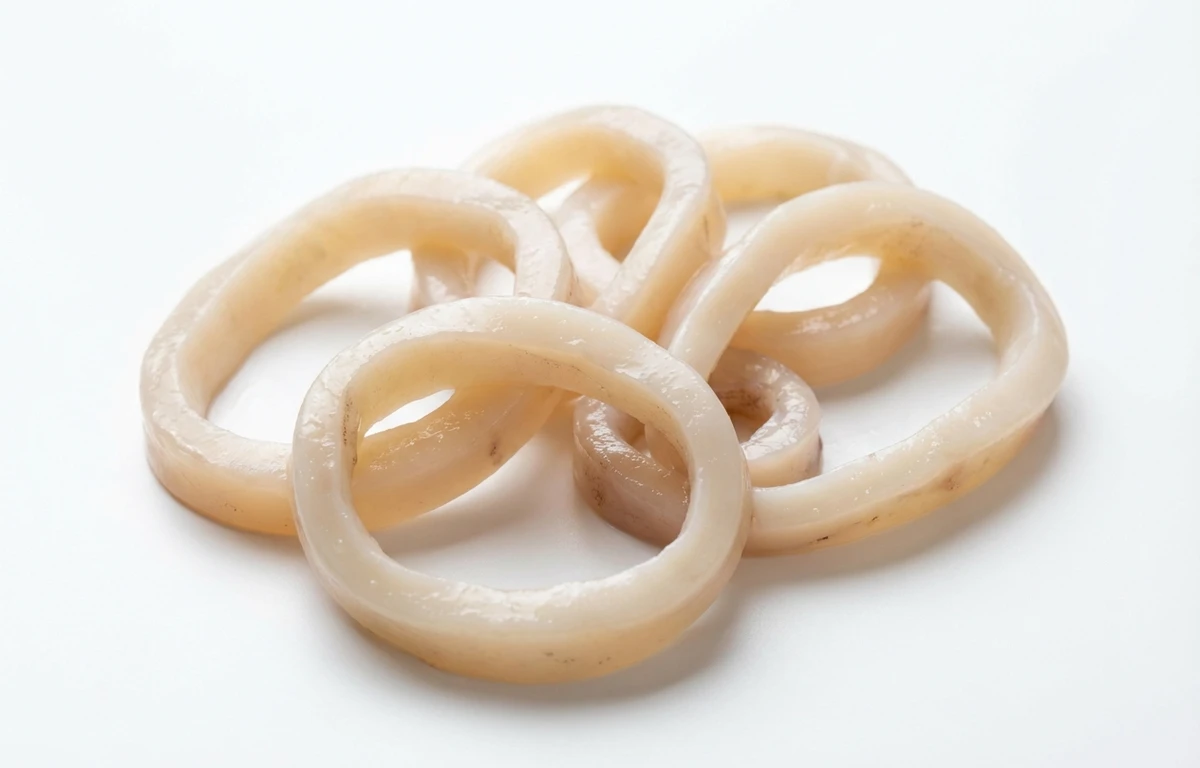
SERVING
CALORIES
125
PROTEIN
20.9g
CARBS
0g
FAT
4.5g
FIBER
0g
This ingredient is flagged as naturally gluten-free. Per 100 g, it provides 0.85 µg of vitamin K.
NUTRITION PROFILE · per 100 g
Everything in this ingredient.
MACRONUTRIENTS
Calories125kcal—
Protein20.9g42%
Carbohydrates0g0%
Fiber0g0%
Sugar0g0%
Total fat4.5g6%
Saturated fat2.1g11%
Trans fat0g—
Cholesterol28.8mg10%
Water75.5g—
MINERALS
Sodium29.3mg1%
Potassium420mg9%
Calcium7.5mg1%
Iron0.50mg3%
Magnesium34.3mg8%
Phosphorus227mg18%
Zinc0.38mg3%
Copper0.03mg3%
Manganese0.01mg0%
Selenium58µg105%
VITAMINS
Vitamin A9.0µg1%
Vitamin C0mg0%
Vitamin D1.5µg8%
Vitamin E0.82mg5%
Vitamin K0.85µg1%
Thiamin (B1)0.06mg5%
Riboflavin (B2)0.03mg2%
Niacin (B3)2.2mg14%
Pantothenic acid (B5)0.65mg13%
Vitamin B6160mg9412%
Biotin (B7)657µg2190%
Folate (B9)0µg0%
%DV based on a 2,000 cal diet. Source: USDA FoodData Central. A dash in the %DV column means there’s no established Daily Value for that nutrient.
MEASUREMENT CONVERSIONS
How much is what.
1 oz28.4g
1 lb453.6g
1 piece120g
HEALTH BENEFITS
Why eat it.
- ✓Excellent source of lean protein, essential for muscle repair and growth.
- ✓Provides essential B vitamins, particularly B12 for nerve function and B2 (riboflavin) for energy production.
- ✓Low in saturated fat, making it a heart-healthy protein choice compared to red meats.
COOKING TIPS
In the kitchen.
- 1To avoid a rubbery texture, cook squid either very quickly over high heat (e.g., stir-fry or grill for 1-2 minutes) or for a long time over low heat (e.g., braise or stew for over 30 minutes).
- 2Lightly scoring the inside of the squid body in a cross-hatch pattern helps it cook evenly and prevents it from curling excessively.
- 3Marinating squid for 15-30 minutes in an acidic marinade (like lemon juice or vinegar) can help tenderize it before cooking.
- 4Ensure squid is patted completely dry before frying or grilling to achieve a good sear and prevent steaming.
STORAGE
Keep it fresh.
- Store fresh squid in the coldest part of the refrigerator, well-wrapped or in an airtight container, and use within 1-2 days.
- For long-term storage, freeze squid in airtight freezer bags or containers at 0°F (-18°C) for up to 3 months for optimal quality.
FAQ
Frequently asked questions.
Is kalamaara healthy?
Yes, kalamaara (squid) is a very healthy seafood choice. It's an excellent source of lean protein, low in calories, and rich in essential vitamins and minerals like B12, selenium, and copper. It also contains beneficial omega-3 fatty acids, making it a heart-healthy option.
How much protein, calories, and carbs are in kalamaara?
100g of kalamaara contains approximately 125 calories, 20.89g of protein, 0g of carbohydrates, and 4.54g of fat. This makes it an excellent source of lean protein with virtually no carbs.
Is kalamaara suitable for a keto or low-carb diet?
Yes, kalamaara is highly suitable for keto and low-carb diets. It contains 0g of carbohydrates per 100g serving, along with a high protein content and moderate fat, making it an ideal protein source for these dietary approaches.
How do you cook kalamaara to make it tender?
The key to tender kalamaara is either very quick cooking (1-2 minutes) over high heat or slow braising for 30-60 minutes. Overcooking squid, even by a minute, will make it tough and rubbery. Avoid medium cooking times.
What does kalamaara taste like?
Kalamaara has a mild, slightly sweet, and subtly briny flavor, similar to other white fish or shrimp but with a unique texture. When cooked properly, it's firm yet tender, not chewy, and readily absorbs flavors from marinades and sauces.
How do I choose fresh kalamaara and how should I store it?
Choose fresh kalamaara with bright, clear skin, firm flesh, and a mild, fresh sea smell. Avoid any with a strong 'fishy' odor or discolored spots. Store fresh kalamaara in the coldest part of your refrigerator, ideally on ice, and consume within 1-2 days.
Does kalamaara contain a lot of cholesterol?
While kalamaara does contain cholesterol, it's also low in saturated fat and rich in beneficial omega-3 fatty acids. For most healthy individuals, the dietary cholesterol in squid has less impact on blood cholesterol levels than saturated and trans fats, which are more significant for heart health.
Can kalamaara be eaten raw?
While some cultures consume kalamaara raw (e.g., in sushi or sashimi), it must be extremely fresh and properly handled to minimize the risk of foodborne illness or parasites. For most home cooks, it's safer and recommended to cook kalamaara thoroughly.



















