
Other
kalava.
VegetarianVeganGluten-freeDairy-freeNut-freePeanut-freeSoy-freeEgg-freeShellfish-freeHoney-freeAlcohol-free
SERVING
CALORIES
89
PROTEIN
19.4g
CARBS
0g
FAT
1.2g
FIBER
0g
This ingredient is flagged as naturally gluten-free. Per 100 g, it provides 1.6 µg of vitamin K.
NUTRITION PROFILE · per 100 g
Everything in this ingredient.
MACRONUTRIENTS
Calories89.4kcal—
Protein19.4g39%
Carbohydrates0g0%
Fiber0g0%
Sugar0g0%
Total fat1.2g2%
Saturated fat0.46g2%
Trans fat0g—
Cholesterol20.6mg7%
Water80g—
MINERALS
Sodium40.1mg2%
Potassium279mg6%
Calcium10.7mg1%
Iron0.26mg1%
Magnesium22.9mg5%
Phosphorus177mg14%
Zinc0.82mg7%
Copper0.72mg80%
Manganese0.02mg1%
Selenium12.3µg22%
VITAMINS
Vitamin A1.3µg0%
Vitamin C0mg0%
Vitamin D1.9µg10%
Vitamin E0.33mg2%
Vitamin K1.6µg1%
Thiamin (B1)0.06mg5%
Riboflavin (B2)0.05mg4%
Niacin (B3)2.2mg14%
Pantothenic acid (B5)0.22mg4%
Vitamin B6135mg7941%
Biotin (B7)1194µg3980%
Folate (B9)0µg0%
%DV based on a 2,000 cal diet. Source: USDA FoodData Central. A dash in the %DV column means there’s no established Daily Value for that nutrient.
MEASUREMENT CONVERSIONS
How much is what.
1 cup150g
1 oz28.4g
1 lb453.6g
1 piece120g
HEALTH BENEFITS
Why eat it.
- ✓Excellent source of high-quality, lean protein, essential for muscle building and repair.
COOKING TIPS
In the kitchen.
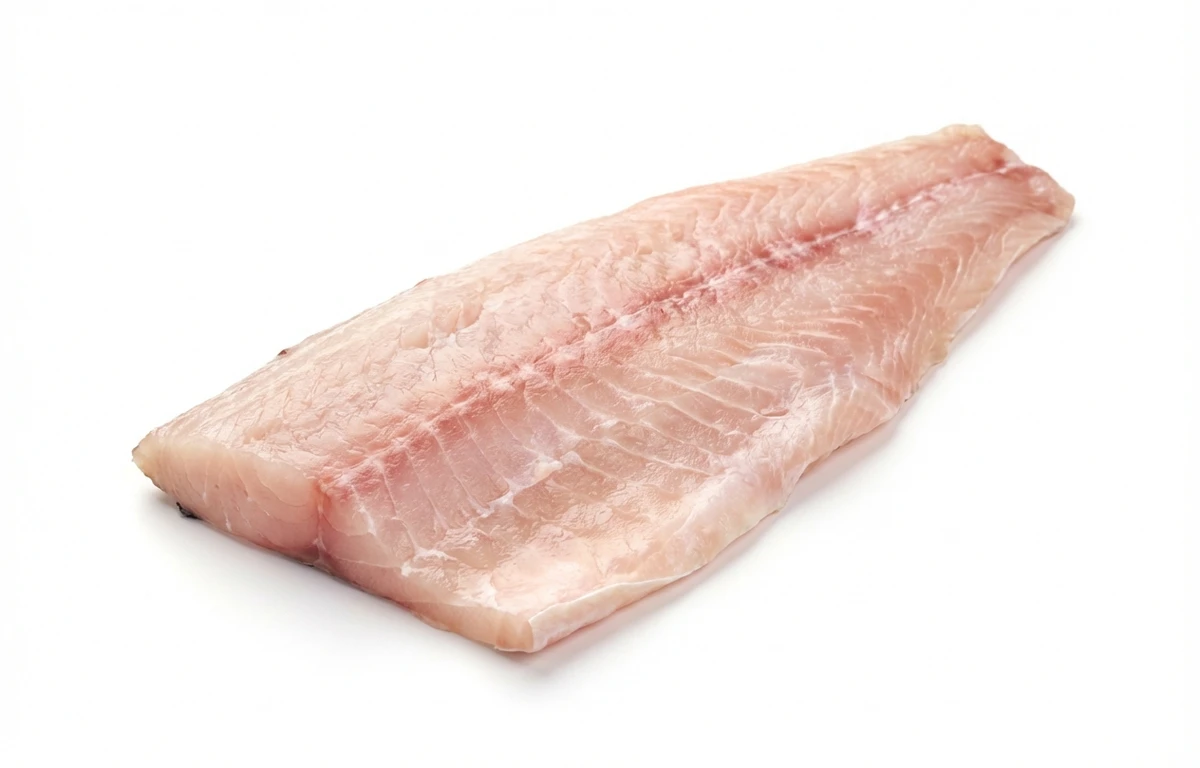
- 1Kalava has a firm, white, flaky flesh with a mild flavor, making it versatile for grilling, pan-frying, steaming, and baking.
- 2It holds its shape well in curries and stews, readily absorbing the flavors of spices and herbs.
- 3To check for doneness, insert a fork at an angle into the thickest part and twist gently; the fish should be opaque and flake easily.
- 4Marinate for 15-30 minutes before cooking to enhance flavor, but avoid long marination times with acidic ingredients like lemon juice, which can make the flesh mushy.
STORAGE
Keep it fresh.
- Store fresh Kalava fish in the coldest part of the refrigerator (below 40°F or 4°C) and consume within 1-2 days.
- For longer storage, pat the fish dry, wrap it tightly in plastic wrap and then aluminum foil or place in a freezer-safe bag, and freeze at 0°F (-18°C) for up to 3 months.
FAQ
Frequently asked questions.
Is kalava healthy?
Yes, kalava is very healthy. It's an excellent source of high-quality, lean protein, low in calories and fat, and rich in beneficial Omega-3 fatty acids. It also provides essential vitamins like D and minerals such as selenium and iodine, supporting overall well-being.
Is kalava gluten-free?
Yes, kalava itself is naturally gluten-free. As a pure seafood product, it contains no wheat, barley, or rye. However, always check ingredients if it's prepared with sauces or breading, as these might contain gluten.
Is kalava keto-friendly?
Yes, kalava is highly keto-friendly. It contains 0g of carbohydrates and is an excellent source of protein and healthy fats (Omega-3s). It fits perfectly into a ketogenic diet, providing essential nutrients without impacting carb limits.
What does kalava taste like?
Kalava typically has a mild, slightly sweet flavor with a firm, flaky white flesh. It's not overly 'fishy,' making it a versatile option that pairs well with a variety of seasonings and sauces. Its texture is generally pleasant and tender when cooked properly.
How do I know if kalava is fresh?
Look for kalava with clear, bright eyes, firm and shiny skin, and a mild, fresh sea smell (not overly fishy). The flesh should spring back when lightly pressed. Avoid fish with dull eyes, discolored skin, or a strong, unpleasant odor.
Does kalava contain mercury?
Like most seafood, kalava may contain trace amounts of mercury. However, as a general rule, smaller or medium-sized fish typically have lower mercury levels compared to larger, predatory species. Kalava is generally considered safe for regular consumption as part of a balanced diet.



















