
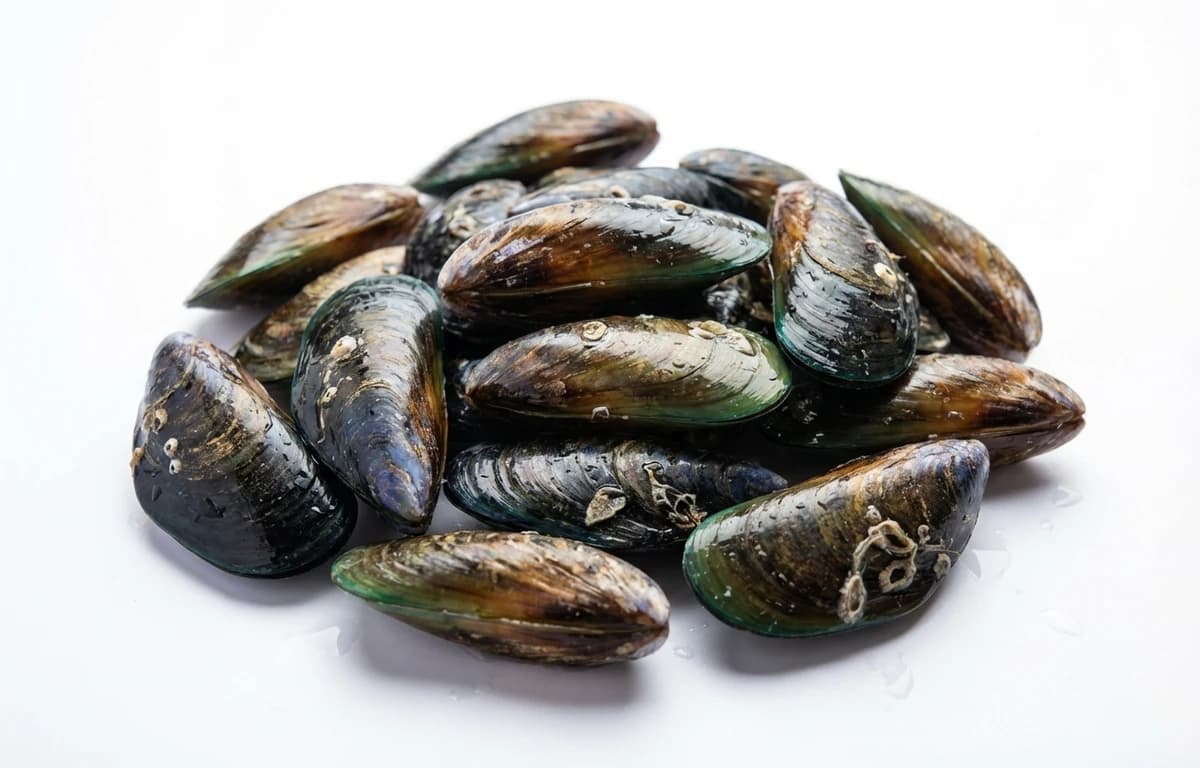
kallumakkaya
Also known as:
Loading...
Also known as:
Per 100g
Nutrition data source: USDA FoodData Central
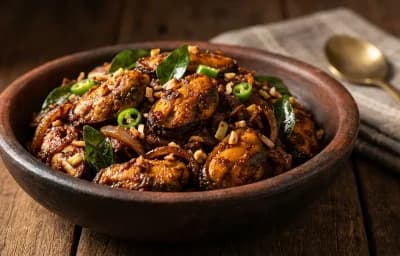
A classic Kerala seafood delicacy featuring tender mussels stir-fried with fragrant spices, coconut pieces, and shallots. This spicy and aromatic dish is a coastal favorite, perfect with rice or parotta.
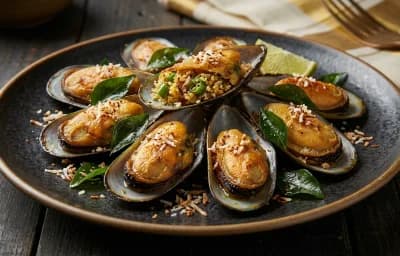
A quintessential Malabar coastal delicacy, Kallumakkaya Nirachathu features fresh mussels meticulously stuffed with a spiced rice flour and coconut dough. Steamed to perfection and then shallow-fried until golden and crisp, this dish offers an irresistible combination of textures and flavors.
Yes, kallumakkaya (mussels) are highly nutritious. They are an excellent source of lean protein, omega-3 fatty acids, and essential minerals like iron, zinc, and selenium. They also provide a significant amount of Vitamin B12, supporting overall health.
Kallumakkaya offers numerous benefits, including high-quality protein for muscle repair and growth, and omega-3s for heart and brain health. They are rich in iron to prevent anemia, zinc for immune function, and selenium as an antioxidant. Vitamin B12 supports nerve health and red blood cell formation.
Per 100g serving, kallumakkaya contains approximately 23.8g of protein. This makes it a very high-protein food, comparable to many meats, and an excellent choice for muscle development and satiety.
Yes, kallumakkaya in its natural form is naturally gluten-free. However, always check ingredients if purchasing processed or pre-marinated mussels, as some sauces or breadings may contain gluten.
Yes, kallumakkaya can be suitable for a keto diet. With only 7.39g of carbohydrates and 4.48g of fat per 100g, they are relatively low in carbs and provide good protein, fitting well into a ketogenic eating plan when prepared without high-carb ingredients.
No, kallumakkaya are a type of shellfish (bivalve mollusk) and should be strictly avoided by individuals with shellfish allergies. Consuming them could trigger severe allergic reactions.
First, clean kallumakkaya by scrubbing shells and removing any 'beards.' Discard any open mussels that don't close when tapped. They are typically steamed, boiled, or sautéed until the shells open, usually within 5-7 minutes. Discard any mussels that remain closed after cooking.
kallumakkaya is a versatile ingredient found in cuisines around the world. With 172 calories per 100g and 23.8 grams of protein, it's a nutritious addition to many dishes.
Explore more ingredients in the seafood category with complete nutrition information.
View all seafood →Discover 0 recipes featuring kallumakkaya with step-by-step instructions.
Browse recipes →Kallumakkaya (mussels) have a distinct briny, slightly sweet, and oceanic flavor with a tender, chewy texture. Their taste is often described as milder than oysters but richer than clams, absorbing flavors from the cooking liquid well.
Store fresh kallumakkaya in the refrigerator, preferably in a bowl covered with a damp cloth or paper towel, allowing them to breathe. Do not store them in airtight containers or submerged in water, as this can kill them. Consume within 1-2 days of purchase.
Fresh kallumakkaya should have tightly closed shells or close quickly when tapped. They should smell like the ocean, not strongly fishy or ammonia-like. Discard any mussels with broken shells, those that are open and don't close, or those with an off-putting odor.