
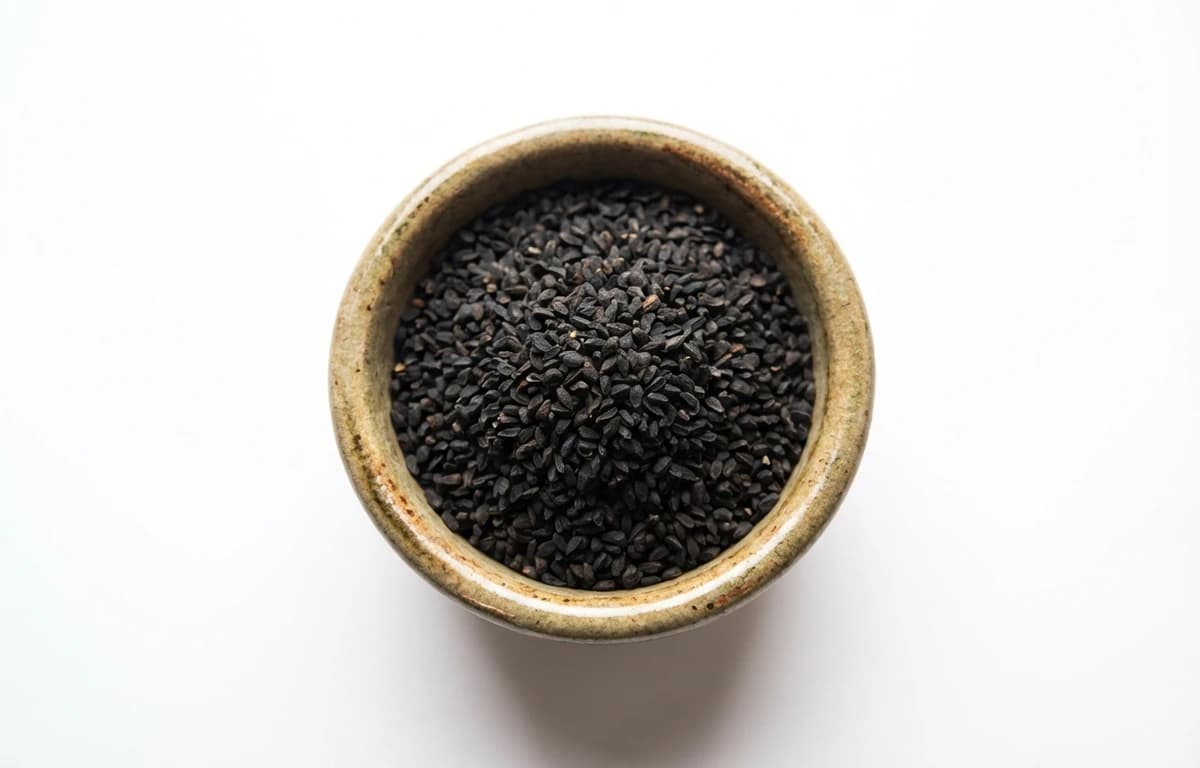
kalo jeere
Also known as:
Loading...
Also known as:
Per 100g
Nutrition data source: USDA FoodData Central
Yes, kalo jeere (Nigella Sativa, also known as black cumin seeds) is considered very healthy due to its rich antioxidant content, particularly thymoquinone. It's known for its anti-inflammatory, antimicrobial, and potential blood sugar-regulating properties. Regular consumption in small amounts can contribute to overall well-being.
Kalo jeere is a nutrient-dense spice. Per 100g, it provides approximately 375 calories, 17.81g protein, 44.24g carbohydrates, and 22.27g fat. It's also a source of dietary fiber, essential fatty acids, and various vitamins and minerals, contributing to its health benefits.
While not a magic bullet for weight loss, kalo jeere may support weight management indirectly. Its potential to improve metabolism, reduce inflammation, and regulate blood sugar levels can be beneficial. However, it should be part of a balanced diet and active lifestyle, not a standalone solution.
Yes, kalo jeere (black cumin seeds) is naturally gluten-free. It is a seed and does not contain wheat, barley, or rye. However, always check product labels for potential cross-contamination if you have severe gluten sensitivity or celiac disease.
Yes, kalo jeere is 100% vegan. It is a plant-based spice derived from the seeds of the Nigella Sativa plant and contains no animal products or by-products.
Yes, kalo jeere may be beneficial for diabetics. Studies suggest it can help in regulating blood sugar levels and improving insulin sensitivity. However, it should be used as a complementary spice and not a replacement for prescribed medication or medical advice. Consult a healthcare professional for personalized dietary recommendations.
kalo jeere is a versatile ingredient found in cuisines around the world. With 375 calories per 100g and 17.81 grams of protein, it's a nutritious addition to many dishes.
Explore more ingredients in the spice category with complete nutrition information.
View all spice →Kalo jeere is a popular spice in Bengali and Middle Eastern cuisine. It's often tempered in hot oil or ghee at the beginning of cooking to release its flavor, especially in vegetable dishes, dals, and fish curries. It can also be sprinkled over bread like naan or used in spice blends.
Kalo jeere has a unique, complex flavor profile. It's slightly bitter, pungent, and has a warm, earthy aroma with hints of onion, oregano, and black pepper. When toasted, its nutty notes become more pronounced.
To maintain its potency and flavor, store kalo jeere in an airtight container in a cool, dark, and dry place, away from direct sunlight and heat. Proper storage helps prevent moisture absorption and preserves its aromatic compounds.
Like most spices, kalo jeere doesn't truly 'expire' in a way that makes it unsafe to eat, but it does lose its potency and flavor over time. Whole seeds can last for 2-3 years if stored properly, while ground kalo jeere loses its flavor more quickly, typically within 6 months to a year. You can tell it's past its prime if it lacks aroma and taste.