
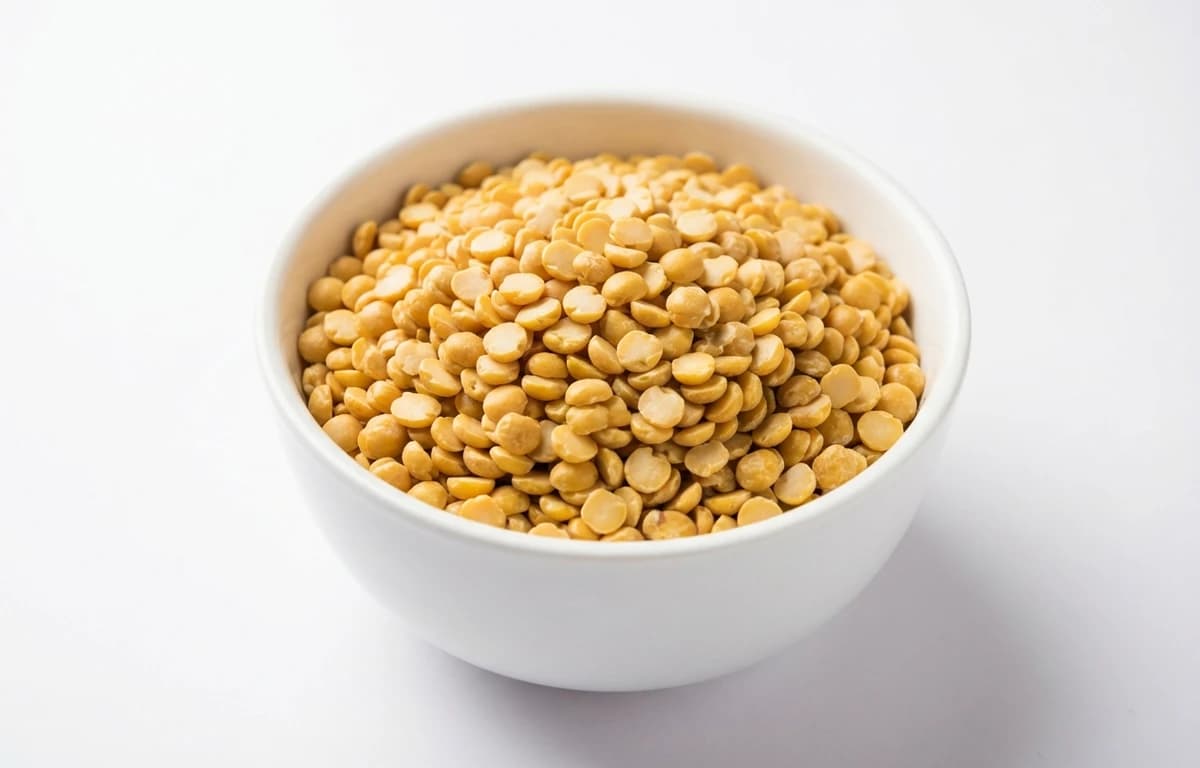
kandi pappu
Also known as:
Loading...
Also known as:
Per 100g
Nutrition data source: USDA FoodData Central
Yes, kandi pappu (also known as toor dal or split pigeon peas) is very healthy. It's an excellent source of plant-based protein, dietary fiber, and essential nutrients like folate, iron, magnesium, and potassium, contributing to muscle health, digestion, and overall well-being.
100g of dry kandi pappu contains approximately 21.7g of protein. This makes it a significant plant-based protein source, comparable to many meats, and an excellent choice for vegetarians and vegans looking to meet their protein needs.
Yes, kandi pappu can be beneficial for weight loss. Its high protein and fiber content promote satiety, helping you feel full longer and potentially reducing overall calorie intake. It also has a relatively low fat content, making it a nutritious addition to a weight management diet.
Yes, kandi pappu (toor dal) is naturally gluten-free. As a legume, it does not contain wheat, barley, or rye, making it a safe and suitable food choice for individuals with celiac disease or gluten sensitivity.
Yes, kandi pappu is 100% vegan. It is a plant-based legume and contains no animal products or by-products, making it a staple ingredient in many vegan and vegetarian diets worldwide.
Yes, diabetics can eat kandi pappu in moderation. Its high fiber content helps regulate blood sugar levels by slowing down glucose absorption. However, portion control is important due to its carbohydrate content, and it should be part of a balanced diet.
Kandi pappu is typically cooked by rinsing thoroughly and then boiling with water until soft, often in a pressure cooker to significantly reduce cooking time. It's commonly used to make dal, a staple Indian lentil soup, seasoned with various spices and a tempering of oil and aromatics.
kandi pappu is a versatile ingredient found in cuisines around the world. With 343 calories per 100g and 21.7 grams of protein, it's a nutritious addition to many dishes.
Explore more ingredients in the legume category with complete nutrition information.
View all legume →Discover 1 recipes featuring kandi pappu with step-by-step instructions.
Browse recipes →Kandi pappu has a mild, slightly nutty, and earthy flavor. When cooked, it develops a creamy, soft texture, making it a versatile base for various savory dishes, especially when combined with aromatic spices that enhance its natural taste.
Store dry kandi pappu in an airtight container in a cool, dark, and dry place, away from direct sunlight and moisture. Properly stored, it can last for up to 1-2 years. Cooked dal should be refrigerated and consumed within 3-4 days.
While not strictly necessary, soaking kandi pappu for 30 minutes to an hour before cooking can significantly reduce cooking time and improve digestibility. It also helps in achieving a more uniform and tender texture in the final dish.