
Other
kannadi paarai.
VegetarianVeganGluten-freeDairy-freeNut-freePeanut-freeSoy-freeEgg-freeShellfish-freeHoney-freeAlcohol-free
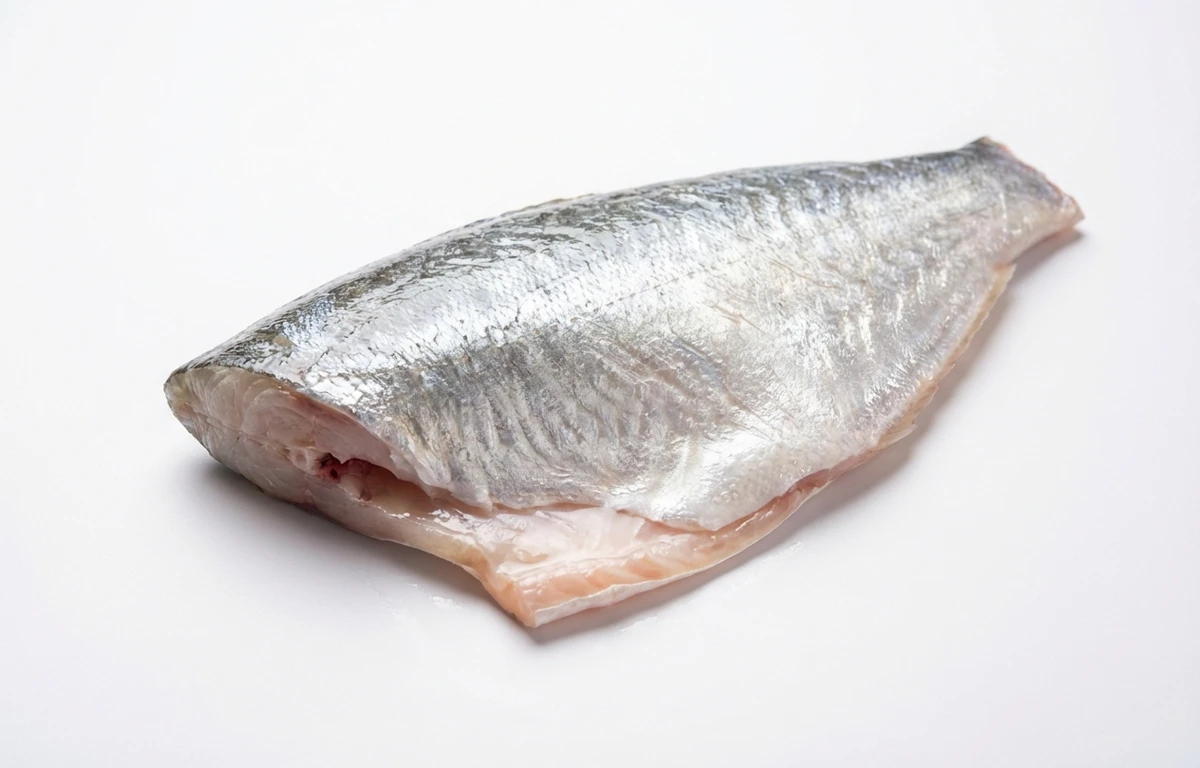
SERVING
CALORIES
101
PROTEIN
22.1g
CARBS
0g
FAT
1.3g
FIBER
0g
This ingredient is flagged as naturally gluten-free. Per 100 g, it provides 0.92 µg of vitamin K.
NUTRITION PROFILE · per 100 g
Everything in this ingredient.
MACRONUTRIENTS
Calories101kcal—
Protein22.1g44%
Carbohydrates0g0%
Fiber0g0%
Sugar0g0%
Total fat1.3g2%
Saturated fat0.48g2%
Trans fat0g—
Cholesterol18.6mg6%
Water76.3g—
MINERALS
Sodium59.6mg3%
Potassium432mg9%
Calcium9.0mg1%
Iron0.31mg2%
Magnesium32.4mg8%
Phosphorus252mg20%
Zinc0.40mg4%
Copper0.03mg3%
Manganese0.01mg0%
Selenium23.3µg42%
VITAMINS
Vitamin A12.4µg1%
Vitamin C0mg0%
Vitamin D0.29µg1%
Vitamin E0.70mg5%
Vitamin K0.92µg1%
Thiamin (B1)0.04mg3%
Riboflavin (B2)0.03mg2%
Niacin (B3)1.8mg11%
Pantothenic acid (B5)1.1mg21%
Vitamin B667.1mg3946%
Biotin (B7)561µg1870%
Folate (B9)0µg0%
%DV based on a 2,000 cal diet. Source: USDA FoodData Central. A dash in the %DV column means there’s no established Daily Value for that nutrient.
MEASUREMENT CONVERSIONS
How much is what.
1 oz28.4g
1 lb453.6g
1 piece250g
COOKING TIPS
In the kitchen.
- 1Kannadi Paarai has a firm texture, making it ideal for grilling, pan-frying, and baking as it holds its shape well.
- 2It is a popular choice for South Indian fish curries (Meen Kuzhambu) as its firm flesh doesn't disintegrate during simmering.
- 3Marinate with a paste of turmeric, chili powder, ginger, garlic, and lime juice for at least 20 minutes before frying for a flavorful crust.
- 4To check for doneness, insert a fork at the thickest part; the fish should be opaque and flake easily.
STORAGE
Keep it fresh.
- Store fresh fish in the coldest part of the refrigerator (below 40°F or 4°C) and consume within 1-2 days.
- For long-term storage, wrap tightly in plastic wrap and then in a freezer bag, and freeze at 0°F (-18°C) or lower for up to 3 months.
FAQ
Frequently asked questions.
Is kannadi paarai healthy?
Yes, kannadi paarai is very healthy. It's an excellent source of lean protein and rich in Omega-3 fatty acids (EPA and DHA), which are beneficial for heart and brain health. It also provides essential vitamins like B12 and minerals such as selenium and phosphorus.
What are the nutritional values of kannadi paarai?
Per 100g, kannadi paarai is quite lean, providing approximately 101.1 calories, 22.09g of high-quality protein, 0g carbohydrates, and only 1.27g of fat. This makes it a highly nutritious and low-calorie protein source.
Is kannadi paarai gluten-free?
Yes, kannadi paarai, like all natural fish, is naturally gluten-free. When preparing it, ensure no gluten-containing ingredients are added, such as breading or certain sauces, to maintain its gluten-free status.
How do you cook kannadi paarai?
Kannadi paarai is versatile and can be cooked in various ways. Popular methods include grilling, baking, pan-frying, or steaming. Its lean flesh cooks relatively quickly, so be careful not to overcook it to maintain its moisture and flavor.
What does kannadi paarai taste like?
Kannadi paarai typically has a mild, slightly sweet flavor with a firm, flaky white flesh. It's not overly "fishy," making it appealing to a wide range of palates. Its texture holds up well to various cooking methods.
How do you store kannadi paarai?
Fresh kannadi paarai should be stored in the coldest part of your refrigerator, ideally on ice, and consumed within 1-2 days. For longer storage, it can be frozen for up to 3-6 months in an airtight container or vacuum-sealed bag.
How do I know if kannadi paarai is fresh?
Look for clear, bulging eyes, bright red gills, and firm, shiny flesh. It should have a mild, fresh sea smell, not a strong "fishy" odor. Avoid fish with cloudy eyes, dull skin, or a strong ammonia smell.



















