
Other1 recipes
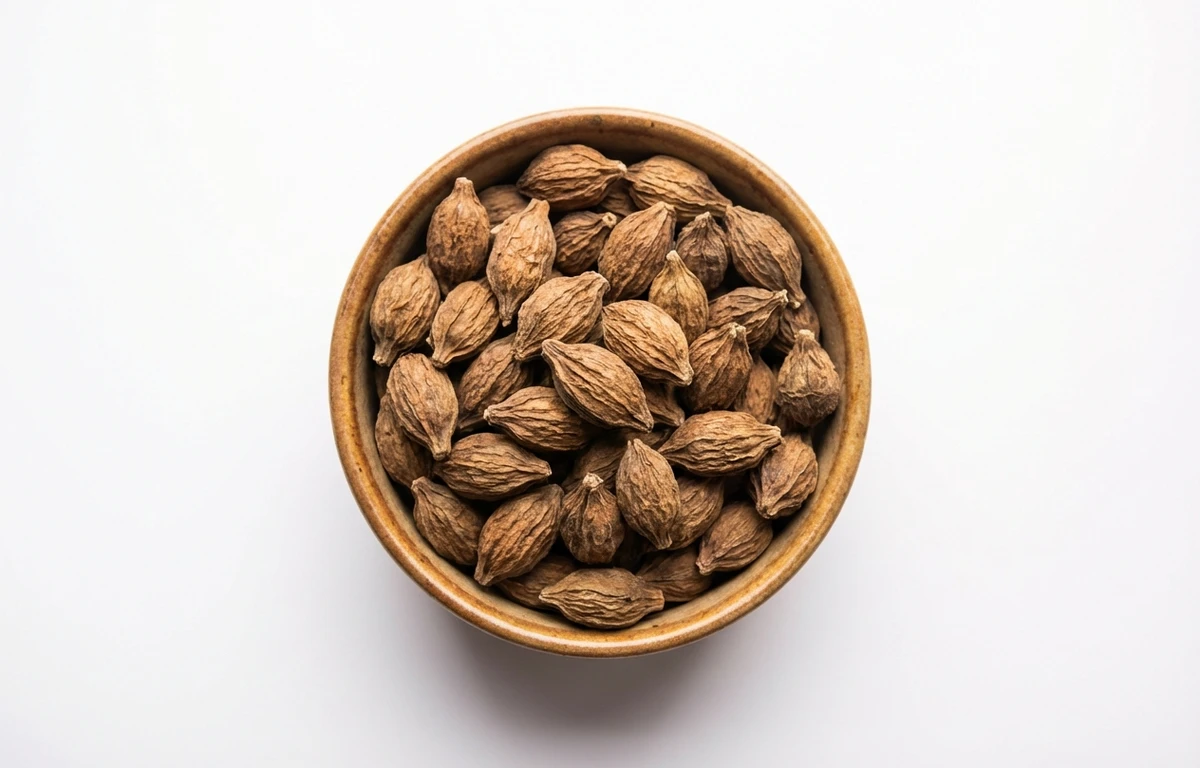
kapok buds.
VegetarianVeganGluten-freeDairy-freeNut-freePeanut-freeSoy-freeEgg-freeShellfish-freeHoney-freeAlcohol-free
ALSO KNOWN AS
marathi mogguKapok Flower Buds
SERVING
CALORIES
300
PROTEIN
8.0g
CARBS
55g
FAT
10g
FIBER
25g
This ingredient is flagged as naturally gluten-free.
NUTRITION PROFILE · per 100 g
Everything in this ingredient.
MACRONUTRIENTS
Calories300kcal—
Protein8.0g16%
Carbohydrates55g20%
Fiber25g89%
Sugar5.0g10%
Total fat10g13%
Saturated fat1.5g8%
Cholesterol0mg0%
Water8.0g—
MINERALS
Sodium10mg0%
Potassium1200mg26%
Calcium600mg46%
Iron7.0mg39%
Magnesium25mg6%
Phosphorus40mg3%
Zinc1.2mg11%
VITAMINS
Vitamin A0µg0%
Vitamin C0mg0%
Vitamin D0µg0%
Thiamin (B1)0.15mg13%
Riboflavin (B2)0.18mg14%
Niacin (B3)1.5mg9%
Vitamin B60.20mg12%
%DV based on a 2,000 cal diet. Source: USDA FoodData Central. A dash in the %DV column means there’s no established Daily Value for that nutrient.
MEASUREMENT CONVERSIONS
How much is what.
1 piece0.5g
HEALTH BENEFITS
Why eat it.
- ✓Good source of dietary fiber, which supports digestive health and regular bowel movements.
COOKING TIPS
In the kitchen.
- 1Before cooking, rehydrate dried kapok buds by soaking them in warm water for at least 20-30 minutes until they become soft.
- 2After soaking, gently squeeze out the excess water to ensure they can properly absorb the flavors of your dish.
- 3Add them to spicy and sour soups and curries, such as Thai Kaeng Som, as their spongy texture is excellent for soaking up broths and sauces.
- 4The buds have a unique, slightly bitter flavor that provides a pleasant contrast in rich and savory dishes.
STORAGE
Keep it fresh.
- Store dried kapok buds in an airtight container to protect them from moisture, pests, and humidity.
- Keep the container in a cool, dark, and dry place like a pantry, where they can maintain their quality for up to a year.
FAQ
Frequently asked questions.
What is the nutritional content of kapok buds?
Per 100g, kapok buds contain approximately 300 calories, 8g of protein, 55g of carbohydrates, and 10g of fat. They also contribute dietary fiber and essential minerals like calcium and phosphorus.
Are kapok buds good for digestion?
Yes, kapok buds are beneficial for digestion due to their high dietary fiber content. Fiber aids in promoting regular bowel movements and maintaining overall gut health, contributing to a healthy digestive system.
Are kapok buds vegan or vegetarian?
Yes, kapok buds are entirely plant-based, making them suitable for both vegan and vegetarian diets. They are the dried flower buds of the kapok tree and contain no animal products.
Are kapok buds gluten-free?
Yes, kapok buds are naturally gluten-free. As a pure spice derived directly from a plant, they do not contain wheat, barley, rye, or any other gluten-containing ingredients.
Are kapok buds keto-friendly?
Given their carbohydrate content of 55g per 100g, kapok buds are generally not considered keto-friendly, especially if used in larger quantities. For a strict ketogenic diet, their carb count would be too high.
How are kapok buds typically used in cooking?
Kapok buds are primarily used as a spice, especially in South Indian cuisine. They are often added to curries, stews, and rice dishes for their unique aroma and flavor, usually tempered in oil or roasted before use to release their full potential.
What do kapok buds taste like?
Kapok buds have a unique, slightly earthy, and subtly bitter flavor with a hint of floral notes. When cooked, they impart a distinctive aroma that is often described as nutty or mushroom-like, adding depth and complexity to dishes.
How should I store kapok buds?
To maintain their potency and flavor, kapok buds should be stored in an airtight container in a cool, dark, and dry place. This protects them from moisture, light, and air, which can degrade their quality and aroma over time.
How long do kapok buds last?
When stored properly in an airtight container away from heat and light, dried kapok buds can last for up to 1-2 years. While they don't spoil quickly, their flavor and aroma will gradually diminish over time, so it's best to use them within this period for optimal taste.
RECIPES
Cook with kapok buds.
1 recipes · sorted by what’s quick



















