
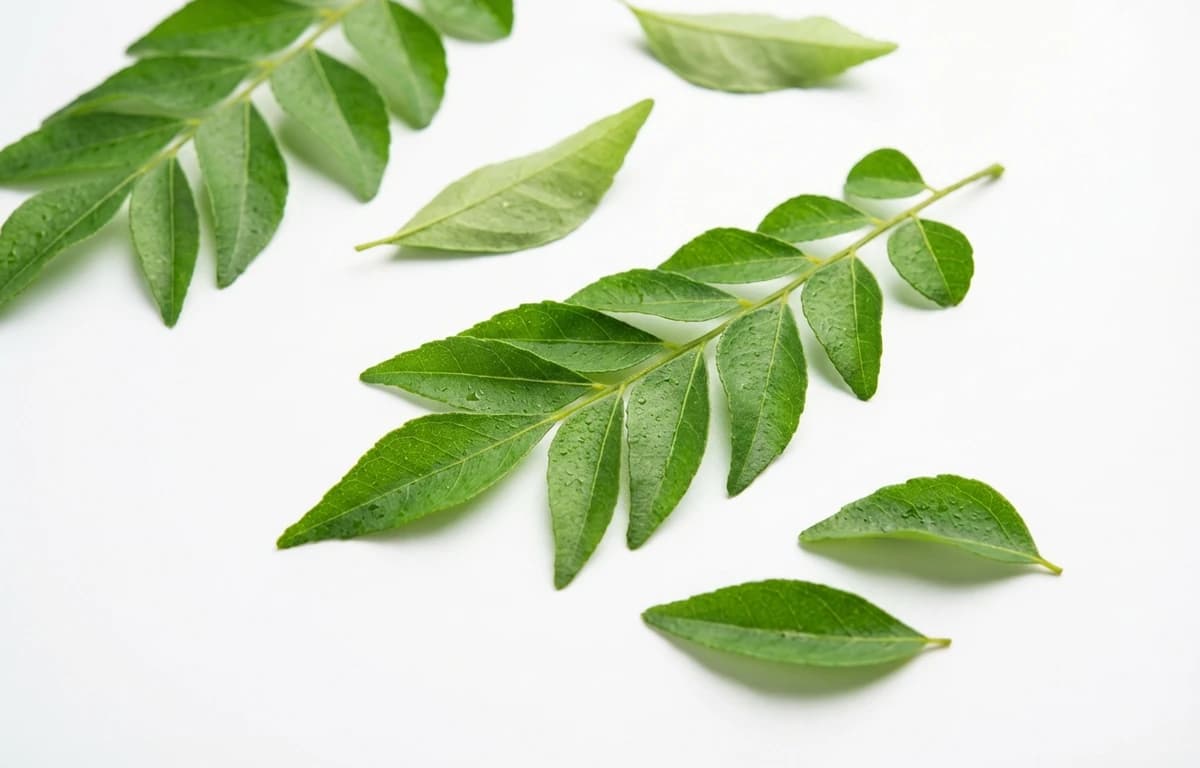
kariveppila
Also known as:
Loading...
Also known as:
Per 100g
Nutrition data source: USDA FoodData Central
Yes, kariveppila is very healthy. It's rich in antioxidants like carotenoids and flavonoids, which protect cells, and is a good source of iron, calcium, and Vitamin A. Traditionally, it's used to support digestive health and manage blood sugar levels.
Kariveppila is low in fat (1g per 100g) and calories (108cal per 100g), while providing 6.1g protein and 18.7g carbs. It's packed with beneficial antioxidants, and is a good source of essential micronutrients including iron, calcium, and Vitamin A, contributing to overall well-being.
Traditionally, kariveppila has been used in Ayurvedic medicine to support digestive health and help manage blood sugar levels. Its compounds may aid in these areas, but it should be considered a complementary ingredient and not a replacement for medical treatment or advice.
Yes, kariveppila is a plant-based herb, making it naturally vegan and gluten-free. It is suitable for individuals following plant-based diets or those with gluten sensitivities.
While kariveppila contains 18.7g carbs per 100g, it is typically used in small quantities as a flavoring herb. Therefore, its overall carb contribution to a meal is usually negligible, making it suitable for low-carb or keto diets when used sparingly.
Kariveppila is commonly used as a tempering ingredient in Indian and Sri Lankan cuisine. It's typically fried in hot oil with mustard seeds and other spices to release its aromatic flavor, then added to curries, dals, stir-fries, and rice dishes.
kariveppila is a versatile ingredient found in cuisines around the world. With 108 calories per 100g and 6.1 grams of protein, it's a nutritious addition to many dishes.
Explore more ingredients in the herb category with complete nutrition information.
View all herb →Discover 0 recipes featuring kariveppila with step-by-step instructions.
Browse recipes →Kariveppila has a unique, pungent, and slightly nutty aroma with citrusy undertones. When cooked, it imparts a warm, earthy, and slightly bitter flavor that is essential to many South Indian dishes, adding depth and complexity.
To keep kariveppila fresh, store the leaves in an airtight container or a zip-top bag lined with a paper towel in the refrigerator. They can last for up to 1-2 weeks. For longer storage, they can also be frozen.
While edible raw, kariveppila is rarely eaten uncooked due to its strong, slightly bitter flavor. It is almost always cooked to mellow its taste and release its full aroma and beneficial compounds into dishes.
Yes, kariveppila can be dried or frozen for longer preservation. Dried leaves retain some flavor but are less potent than fresh. Freezing whole leaves in an airtight bag is an excellent way to maintain their freshness and flavor for several months.