
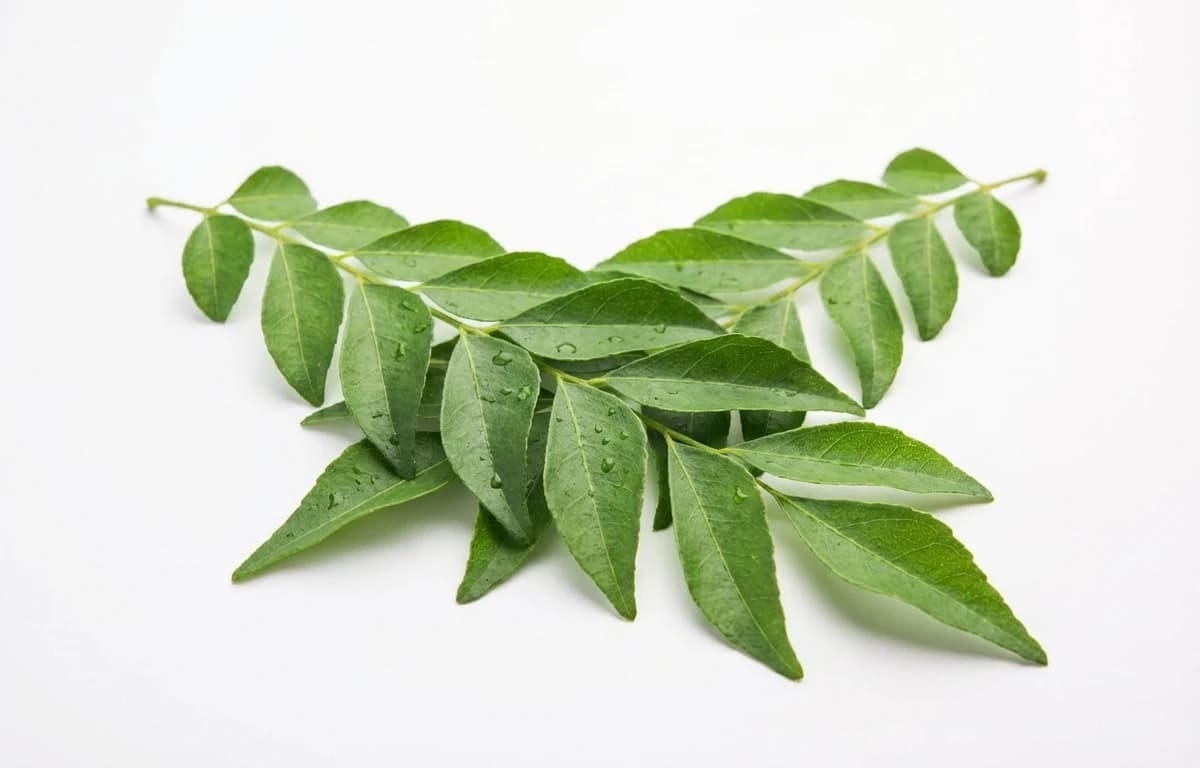
karuveppilai
Also known as:
Loading...
Also known as:
Per 100g
Nutrition data source: USDA FoodData Central
Karuveppilai is rich in antioxidants like alkaloids and phenolic compounds, which help protect the body from oxidative stress. It's traditionally used to support digestive health, may have hypoglycemic effects to help regulate blood sugar, and is a good source of iron and folic acid, beneficial for combating anemia.
Per 100g, karuveppilai contains approximately 108 calories, 6.1g protein, 18.7g carbohydrates, and 1g fat. While these numbers are for a large quantity, it's typically consumed in small amounts, providing a boost of iron, folic acid, and other micronutrients.
While not a primary weight-loss food, karuveppilai can support a healthy diet. It's low in fat and adds significant flavor without many calories. Its fiber content can aid digestion and promote satiety, contributing to overall healthy eating habits.
Yes, karuveppilai (curry leaves) is naturally vegan as it is a plant-based herb. It is also inherently gluten-free, making it suitable for individuals following these specific dietary restrictions.
Yes, karuveppilai can be beneficial for diabetics. Traditional medicine suggests it may have hypoglycemic effects, potentially helping to lower and regulate blood sugar levels. However, it should complement, not replace, prescribed medication and a balanced diet.
While 100g of karuveppilai contains 18.7g of carbs, it is typically used in very small quantities (a few leaves) as a flavoring agent in dishes. In such small amounts, the net carb contribution to a meal would be negligible, making it generally acceptable for a keto diet.
karuveppilai is a versatile ingredient found in cuisines around the world. With 108 calories per 100g and 6.1 grams of protein, it's a nutritious addition to many dishes.
Explore more ingredients in the herb category with complete nutrition information.
View all herb →Discover 0 recipes featuring karuveppilai with step-by-step instructions.
Browse recipes →Karuveppilai is primarily used for tempering in South Indian and Sri Lankan cuisine, often fried in hot oil with mustard seeds and chilies to release its aroma. It has a unique, slightly nutty, citrusy, and pungent flavor that is distinct from curry powder.
While typically cooked to release its full flavor and aroma, karuveppilai can be eaten raw in small quantities, for example, in chutneys or salads. However, the flavor is much more intense and slightly bitter when raw compared to when it's tempered.
To keep fresh karuveppilai vibrant, store it in an airtight container or a zip-top bag lined with a paper towel in the refrigerator. This method can keep the leaves fresh for up to two weeks. For longer storage, you can also freeze them.
Fresh karuveppilai stored properly in the refrigerator can last for 1-2 weeks. It's spoiled if the leaves turn yellow, develop black spots, become slimy, or emit an off-odor. Dried leaves, if stored in an airtight container, can last for several months.