
Loading...
Per 100g
Nutrition data source: USDA FoodData Central
Common measurement equivalents in grams
When stored in an airtight container in a cool, dark place, it maintains peak flavor for about 6 to 12 months.
No, it is known for being relatively mild compared to other Indian chili powders, ranking lower on the Scoville scale.
A mix of three parts paprika and one part cayenne pepper is the closest substitute for both color and heat.
Look for a deep, vibrant red color and a mild, fruity aroma. Avoid powders that look dull or brownish.
Yes, you can freeze it in an airtight container to extend its shelf life, though it is not strictly necessary if kept in a cool pantry.
It is prized for providing a rich red color to curries and tandoori dishes without making the food excessively hot.
Pure Kashmiri chili powder is naturally gluten-free and vegan, but always check labels for cross-contamination if you have severe allergies.
They are similar, but Deggi Mirch is often a blend of Kashmiri chilies and other red chilies, making it slightly hotter than pure Kashmiri powder.
No special prep is needed; it can be added directly to oil, marinades, or spice blends.
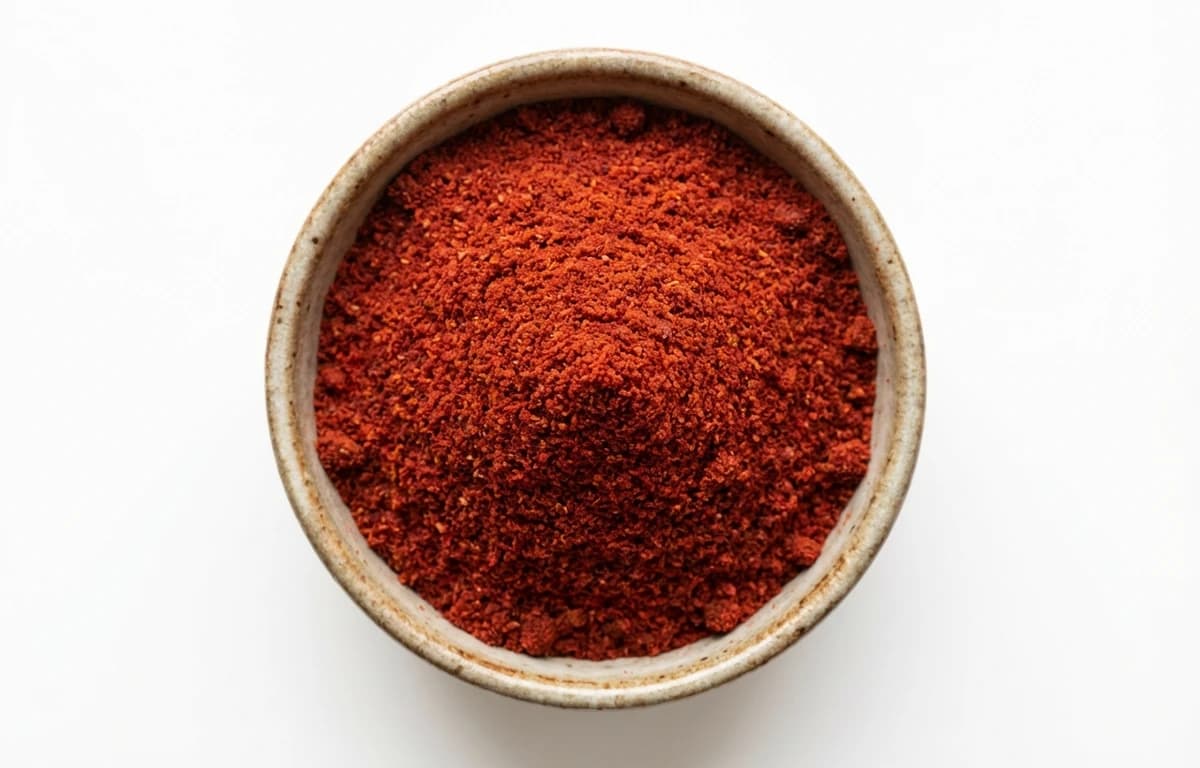
Kashmiri Chili Powder is a versatile ingredient found in cuisines around the world. With 282 calories per 100g and 13.4 grams of protein, it's a nutritious addition to many dishes.
Explore more ingredients in the spice category with complete nutrition information.
View all spice →Discover 1 recipes featuring kashmiri chili powder with step-by-step instructions.
Browse recipes →