condiment1 recipes
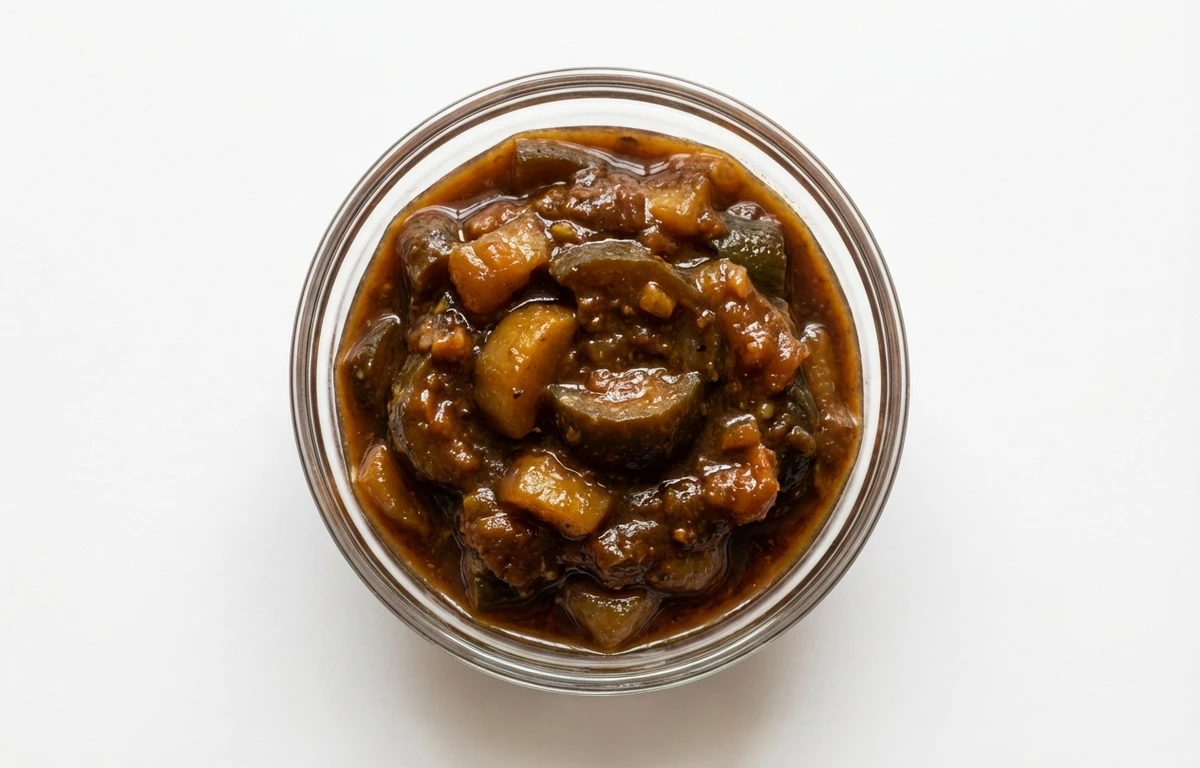
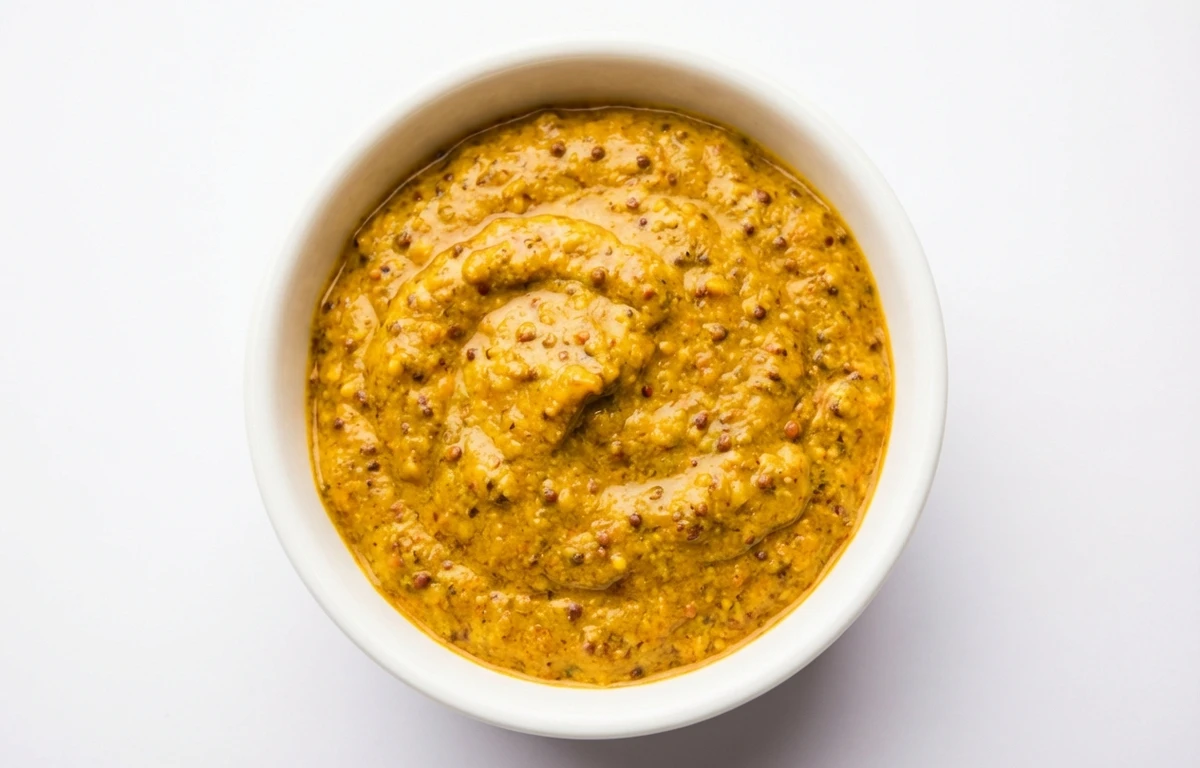
kasundi.
VegetarianVeganGluten-freeDairy-freeNut-freePeanut-freeSoy-freeEgg-freeShellfish-freeHoney-freeAlcohol-freeFermented
SERVING
CALORIES
350
PROTEIN
9.0g
CARBS
15g
FAT
30g
FIBER
5.0g
NUTRITION PROFILE · per 100 g
Everything in this ingredient.
MACRONUTRIENTS
Calories350kcal—
Protein9.0g18%
Carbohydrates15g5%
Fiber5.0g18%
Sugar2.0g4%
Total fat30g38%
Saturated fat3.0g15%
Trans fat0g—
Cholesterol0mg0%
Water40g—
MINERALS
Sodium2500mg109%
Potassium300mg6%
Calcium100mg8%
Iron4.0mg22%
Magnesium150mg36%
Phosphorus350mg28%
Zinc2.5mg23%
Copper0.60mg67%
Manganese2.5mg109%
Selenium80µg145%
VITAMINS
Vitamin A0µg0%
Vitamin C5.0mg6%
Vitamin D0µg0%
Vitamin E5.0mg33%
Vitamin K10µg8%
Thiamin (B1)0.30mg25%
Riboflavin (B2)0.10mg8%
Niacin (B3)2.0mg13%
Pantothenic acid (B5)0.30mg6%
Vitamin B60.20mg12%
Folate (B9)70µg18%
Vitamin B120µg0%
%DV based on a 2,000 cal diet. Source: USDA FoodData Central. A dash in the %DV column means there’s no established Daily Value for that nutrient.
MEASUREMENT CONVERSIONS
How much is what.
1 cup230g
1 tablespoon14g
1 teaspoon5g
HEALTH BENEFITS
Why eat it.
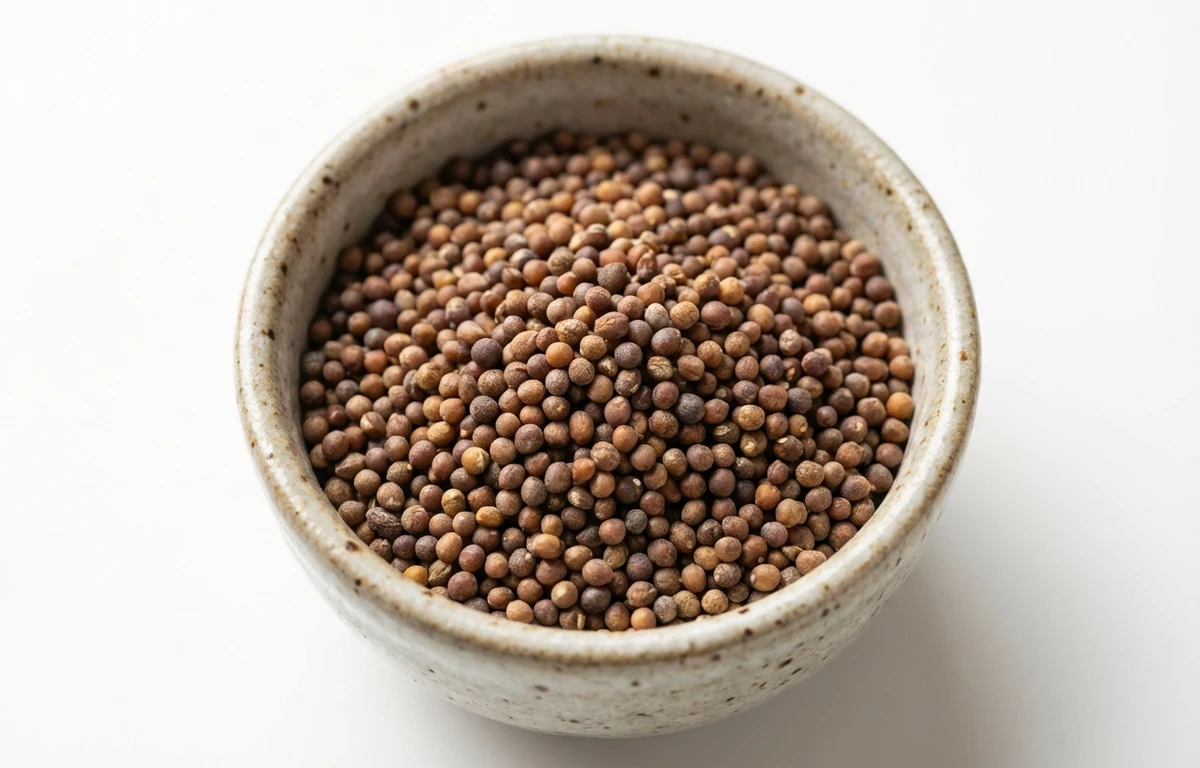
- ✓Rich in glucosinolates from mustard seeds, which may have anti-inflammatory properties.
- ✓Contains antioxidants from mustard and spices like turmeric, helping to combat cellular damage.
- ✓The pungent compounds can stimulate digestive enzymes and boost metabolism.
- ✓As a fermented food, it can contribute to gut health by providing beneficial bacteria, though commercial versions may be pasteurized.
COOKING TIPS
In the kitchen.
- 1Use kasundi as a powerful dipping sauce for fried snacks like samosas, pakoras, or fish fingers.
- 2Incorporate a small amount into marinades for fish or chicken to impart a sharp, spicy flavor.
- 3Mix with mayonnaise or yogurt to create a zesty spread for sandwiches and wraps.
- 4Whisk into vinaigrettes to add a pungent kick to salads.
STORAGE
Keep it fresh.
- Store unopened kasundi in a cool, dark pantry away from direct sunlight.
- Once opened, keep it refrigerated in an airtight glass jar to maintain its pungency and freshness for up to 6 months.
FAQ
Frequently asked questions.
Is kasundi healthy?
Kasundi offers several health benefits due to its mustard seed base and spices like turmeric. It contains glucosinolates, which may have anti-inflammatory properties, and antioxidants that combat cellular damage. While beneficial, it is calorie-dense due to its oil content, so moderation is key.
What are the nutritional values of kasundi?
Per 100g, kasundi is quite calorie-dense, providing approximately 350 calories. It contains about 9g of protein, 15g of carbohydrates, and a significant 30g of fat, primarily from mustard oil.
Can kasundi aid in digestion or metabolism?
Yes, the pungent compounds in kasundi, particularly from mustard, can stimulate digestive enzymes, potentially aiding digestion. Some traditional beliefs also suggest it can boost metabolism. As a fermented product, it may also contribute to gut health, though pasteurization in commercial versions can reduce probiotic benefits.
Is kasundi vegan?
Generally, yes, traditional kasundi is vegan. It is made from mustard seeds, spices, oil, vinegar, and sometimes fruit or vegetables, without any animal products. Always check the ingredient list for specific brands, as formulations can vary.
Is kasundi gluten-free?
Typically, kasundi is gluten-free as its primary ingredients (mustard, spices, oil, vinegar) do not contain gluten. However, cross-contamination during processing can occur, so look for certified gluten-free labels if you have severe sensitivities.
Is kasundi keto-friendly?
Kasundi is not typically considered keto-friendly due to its carbohydrate content. With approximately 15g of carbs per 100g, even a small serving can contribute significantly to daily carb limits on a ketogenic diet.
How is kasundi typically used?
Kasundi is a versatile condiment, traditionally served with fried fish, pakoras, or samosas in Bengali cuisine. It can also be used as a pungent dip for snacks, a spread in sandwiches, a marinade for meats or vegetables, or to add a spicy, tangy kick to curries and stir-fries.
What does kasundi taste like?
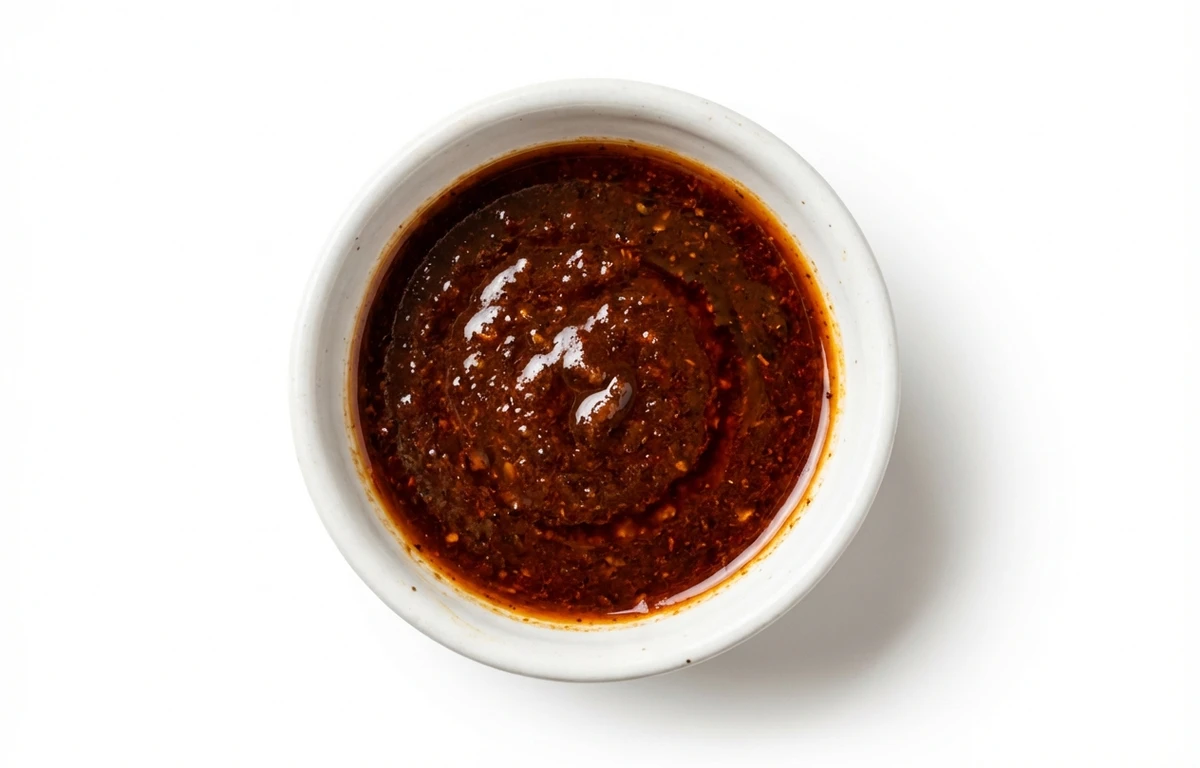
Kasundi has a distinct pungent, sharp, and spicy flavor with a tangy undertone from vinegar. It's intensely mustardy, often with notes of garlic, chili, and other spices, creating a complex and fiery taste that awakens the palate.
How should kasundi be stored?
Unopened kasundi should be stored in a cool, dark place, away from direct sunlight. Once opened, it must be refrigerated to maintain its freshness and prevent spoilage. Ensure the lid is tightly sealed after each use.
How long does kasundi last?
Unopened, kasundi can last for several months to over a year, depending on the best-before date. Once opened and refrigerated, it typically remains good for 2-3 months, though its pungency and flavor might slightly diminish over time. Always check for any signs of spoilage.
RECIPES
Cook with kasundi.
1 recipes · sorted by what’s quick