seafood1 recipes
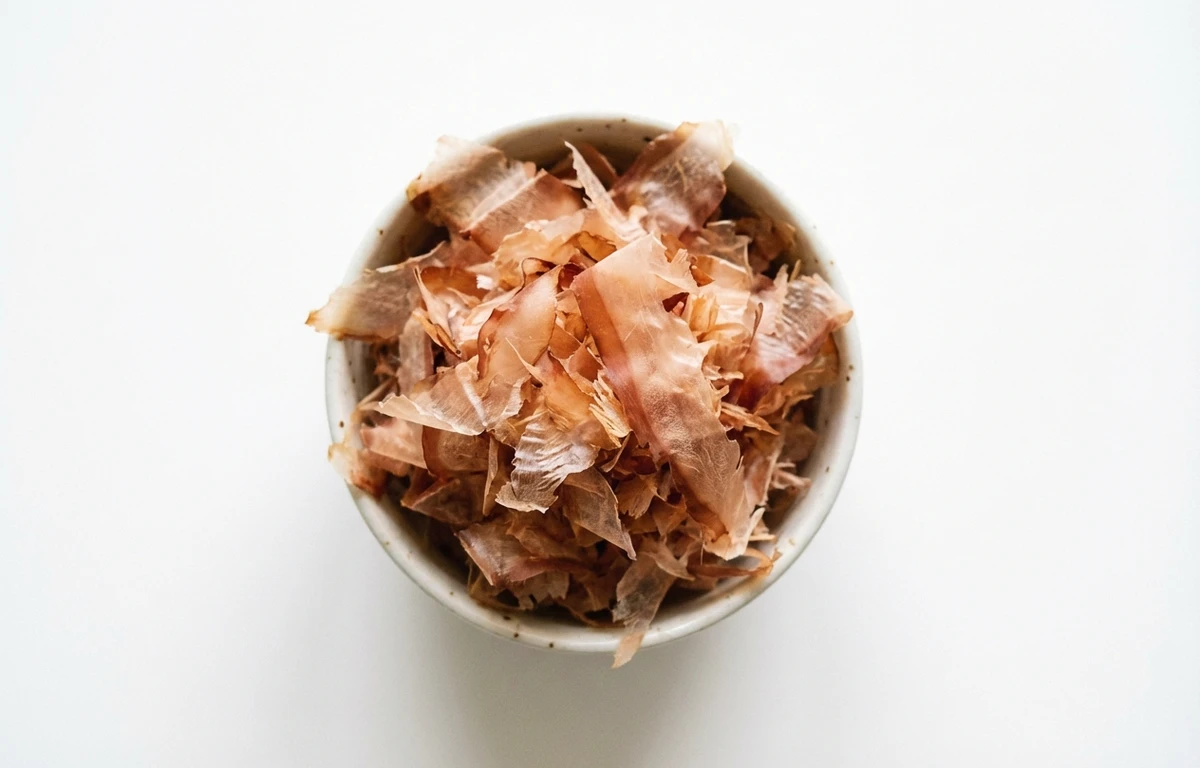
katsuobushi.
VegetarianVeganGluten-freeDairy-freeNut-freePeanut-freeSoy-freeEgg-freeShellfish-freeHoney-freeAlcohol-freeFermented
SERVING
CALORIES
350
PROTEIN
77.1g
CARBS
0.10g
FAT
3.2g
FIBER
0g
NUTRITION PROFILE · per 100 g
Everything in this ingredient.
MACRONUTRIENTS
Calories350kcal—
Protein77.1g154%
Carbohydrates0.10g0%
Fiber0g0%
Sugar0g0%
Total fat3.2g4%
Saturated fat1.1g6%
Trans fat0g—
Cholesterol180mg60%
Water17g—
MINERALS
Sodium450mg20%
Potassium850mg18%
Calcium50mg4%
Iron9.0mg50%
Magnesium180mg43%
Phosphorus950mg76%
Zinc2.5mg23%
Copper0.15mg17%
Manganese0.02mg1%
Selenium120µg218%
Iodine250µg167%
VITAMINS
Vitamin A0µg0%
Vitamin C0mg0%
Vitamin D12µg60%
Vitamin E0.50mg3%
Vitamin K1.5µg1%
Thiamin (B1)0.05mg4%
Riboflavin (B2)0.35mg27%
Niacin (B3)45mg281%
Pantothenic acid (B5)1.5mg30%
Vitamin B60.60mg35%
Folate (B9)12µg3%
Vitamin B1215µg625%
%DV based on a 2,000 cal diet. Source: USDA FoodData Central. A dash in the %DV column means there’s no established Daily Value for that nutrient.
MEASUREMENT CONVERSIONS
How much is what.
1 cup15g
1 tablespoon1g
HEALTH BENEFITS
Why eat it.
- ✓Excellent source of high-quality complete protein, vital for muscle maintenance and repair.
- ✓Rich in umami (from inosinate), which enhances flavor and can promote satiety, potentially helping to reduce overall calorie and sodium intake.
- ✓Good source of essential nutrients including iron, potassium, and B vitamins, particularly B12, which supports nerve function and red blood cell formation.
- ✓Contains peptides like anserine, which have been studied for their potential anti-fatigue and antioxidant properties.
COOKING TIPS
In the kitchen.
- 1To make dashi, add katsuobushi flakes to water that has just been brought to a boil and immediately turn off the heat. Let it steep for 1-2 minutes before straining. Do not over-boil, as it can release bitter flavors.
- 2Sprinkle directly onto hot foods like takoyaki, okonomiyaki, and agedashi tofu as a finishing garnish. The heat will cause the thin flakes to 'dance'.
- 3Mix with soy sauce to create 'okaka', a simple and savory seasoning for rice balls (onigiri) or blanched vegetables.
- 4For a deeper flavor, use thicker shavings (atsukezuri) for longer simmering stocks, while using thin shavings (hanakatsuo) for quick infusions and toppings.
STORAGE
Keep it fresh.
- Store unopened packages in a cool, dark, and dry place away from humidity.
- Once opened, seal the bag tightly, removing as much air as possible, and store in the refrigerator or freezer to maintain freshness and prevent oxidation. Use within a few months for best flavor.
FAQ
Frequently asked questions.
What is katsuobushi?
Katsuobushi is a traditional Japanese ingredient made from dried, fermented, and smoked skipjack tuna (bonito). It is typically shaved into thin flakes and is renowned for its intense umami flavor, forming the base of many Japanese dishes.
Is katsuobushi healthy? What are its health benefits?
Yes, katsuobushi is very healthy. It's an excellent source of high-quality complete protein, vital for muscle maintenance and repair. It also provides essential nutrients like iron, potassium, and B vitamins, particularly B12, which supports nerve function and red blood cell formation.
How much protein, calories, and fat are in katsuobushi?
Per 100g, katsuobushi contains approximately 350 calories, a remarkable 77.1g of protein, and only 3.2g of fat. It has a negligible 0.1g of carbohydrates, making it a highly concentrated source of protein.
Is katsuobushi good for weight loss?
Yes, katsuobushi can be beneficial for weight loss due to its extremely high protein content and low fat. Protein promotes satiety, helping you feel full longer and potentially reducing overall calorie intake. Its rich umami flavor can also enhance dishes without adding many calories.
Is katsuobushi gluten-free?
Pure katsuobushi (dried bonito flakes) is naturally gluten-free. However, always check the ingredient list on packaged products, especially if it's part of a seasoning blend or dashi packet, to ensure no gluten-containing additives are present.
Is katsuobushi vegan or vegetarian?
No, katsuobushi is neither vegan nor vegetarian. It is made from fish (skipjack tuna/bonito), making it a seafood product and unsuitable for plant-based diets.
How is katsuobushi typically used in cooking?
Katsuobushi is primarily used to make dashi, a fundamental Japanese broth. It's also commonly sprinkled as a topping on dishes like okonomiyaki, takoyaki, tofu, and salads, adding a smoky, savory, umami flavor.
What does katsuobushi taste like?
Katsuobushi has a distinct savory, smoky, and intensely umami flavor. It can also have a slightly fishy aroma, but the overall taste is complex and rich, enhancing the depth of other ingredients.
How should katsuobushi be stored?
Unopened packages of katsuobushi should be stored in a cool, dark place away from direct sunlight and moisture. Once opened, transfer any unused flakes to an airtight container or reseal the original package tightly to prevent moisture absorption and maintain freshness.
How long does katsuobushi last?
Unopened, katsuobushi can last for several months to a year, depending on the packaging and best-by date. Once opened, it's best to consume it within 1-2 months for optimal flavor and freshness, though it may remain safe to eat for longer if stored properly.