
Other5 recipes
ker berries.
VegetarianVeganGluten-freeDairy-freeNut-freePeanut-freeSoy-freeEgg-freeShellfish-freeHoney-freeAlcohol-free
ALSO KNOWN AS
ker
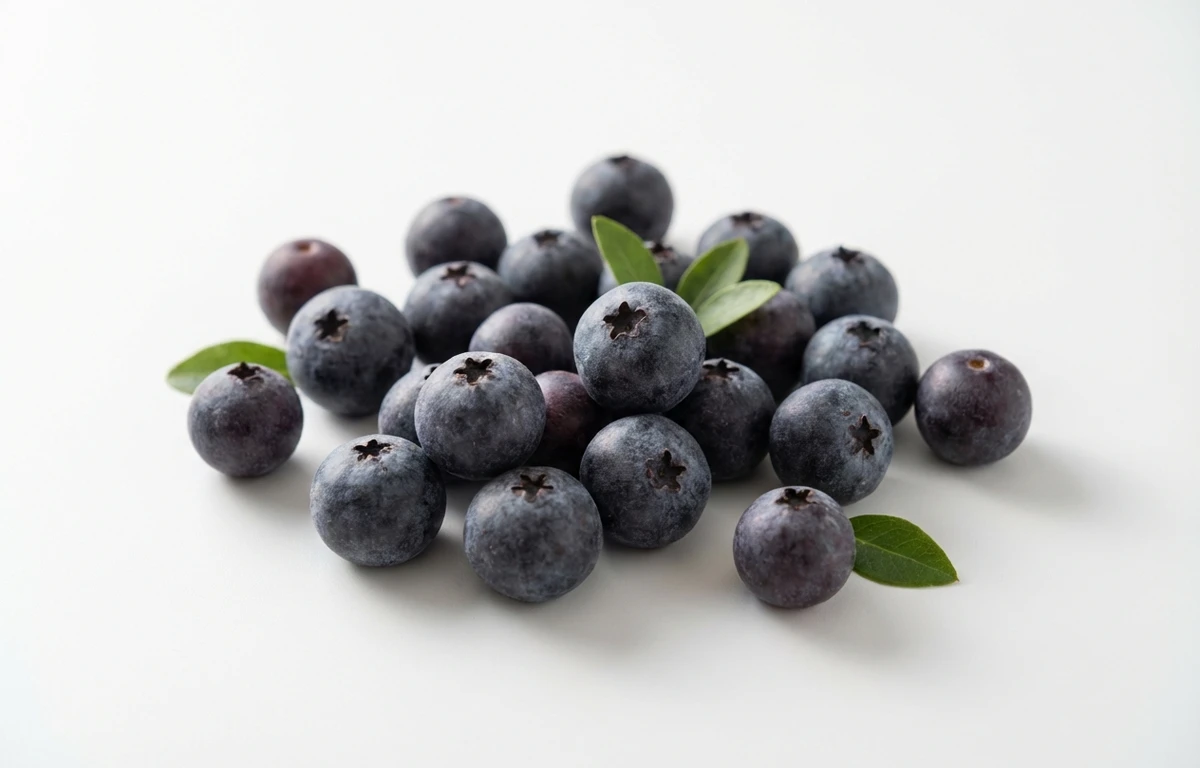
SERVING
CALORIES
280
PROTEIN
15g
CARBS
50g
FAT
2.5g
FIBER
12g
This ingredient is flagged as naturally gluten-free. Per 100 g, it provides 15 µg of vitamin K.
NUTRITION PROFILE · per 100 g
Everything in this ingredient.
MACRONUTRIENTS
Calories280kcal—
Protein15g30%
Carbohydrates50g18%
Fiber12g43%
Sugar5.0g10%
Total fat2.5g3%
Saturated fat0.50g3%
Trans fat0g—
Cholesterol0mg0%
Water10g—
MINERALS
Sodium25mg1%
Potassium620mg13%
Calcium210mg16%
Iron6.2mg34%
Magnesium65mg15%
Phosphorus350mg28%
Zinc1.5mg14%
Copper0.80mg89%
Manganese0.50mg22%
Selenium2.0µg4%
VITAMINS
Vitamin A45µg5%
Vitamin C12mg13%
Vitamin D0µg0%
Vitamin E1.2mg8%
Vitamin K15µg13%
Thiamin (B1)0.15mg13%
Riboflavin (B2)0.18mg14%
Niacin (B3)1.5mg9%
Pantothenic acid (B5)0.40mg8%
Vitamin B60.20mg12%
Folate (B9)25µg6%
Vitamin B120µg0%
%DV based on a 2,000 cal diet. Source: USDA FoodData Central. A dash in the %DV column means there’s no established Daily Value for that nutrient.
MEASUREMENT CONVERSIONS
How much is what.
1 cup150g
1 tablespoon9.4g
1 teaspoon3.1g
1 ml0.6g
1 liter625g
HEALTH BENEFITS
Why eat it.
- ✓A good source of nutrients including Vitamin C, iron, and calcium.
- ✓May aid in digestion due to its dietary fiber content.
COOKING TIPS
In the kitchen.
- 1To reduce their natural bitterness, soak fresh or dried ker berries in saltwater or buttermilk for several hours to a few days, changing the liquid periodically.
- 2Ker berries are a key ingredient in the traditional Rajasthani dish 'Ker Sangri,' where they are cooked with sangri beans and spices.
- 3They are excellent for making tangy and spicy Indian pickles (achaar), which can be served as a condiment.
- 4After soaking and boiling to soften, they can be added to various vegetable curries and lentil dishes for a unique tangy flavor.
STORAGE
Keep it fresh.
- Store dried ker berries in an airtight container in a cool, dark, and dry place for up to a year.
- Keep pickled ker berries refrigerated in their brine after opening and consume within a few months for best quality.
FAQ
Frequently asked questions.
What are the main nutritional components of ker berries?
Per 100g, ker berries contain approximately 280 calories, 15g of protein, 50g of carbohydrates, and 2.5g of fat. They are also a good source of essential micronutrients like Vitamin C, iron, and calcium.
Are ker berries vegan and gluten-free?
Yes, as a fruit, ker berries are naturally vegan and gluten-free. They are a plant-based food suitable for individuals following these dietary restrictions.
How are ker berries typically prepared or cooked?
Ker berries are often used in traditional Indian cuisine, particularly in Rajasthan. They are commonly pickled, dried, or cooked into savory curries and vegetable dishes. They can also be used to make chutneys or added to breads.
What do ker berries taste like?
Ker berries have a unique, tangy, and slightly bitter taste when fresh. When dried or pickled, their flavor becomes more concentrated, often described as earthy and piquant, making them a distinctive addition to dishes.
How should ker berries be stored?
Fresh ker berries should be stored in a cool, dry place or refrigerated to extend their shelf life. Dried ker berries should be kept in an airtight container away from moisture and direct sunlight, where they can last for several months.
Can ker berries be eaten raw?
While technically edible raw, fresh ker berries can be quite tart and slightly bitter. They are more commonly consumed after being processed, such as pickling, drying, or cooking, which mellows their flavor and makes them more palatable.
RECIPES
Cook with ker berries.
5 recipes · sorted by what’s quick



















