Loading...
Per 100g
Nutrition data source: USDA FoodData Central
Common measurement equivalents in grams
Yes, Kerala red rice is very healthy. It's rich in dietary fiber, which aids digestion and promotes satiety. It also contains antioxidants like anthocyanins and essential minerals such as magnesium and calcium, supporting overall well-being.
Kerala red rice is a good source of complex carbohydrates, providing sustained energy. Per 100g, it offers about 7.5g of protein and 1.5g of fat. Its bran layer is packed with fiber, magnesium, and calcium, contributing to bone health and digestive regularity.
Per 100g serving, Kerala red rice contains approximately 353 calories and 76g of carbohydrates. While it's a good source of energy, its complex carb nature and fiber content contribute to a slower release of glucose compared to white rice.
Yes, like all true rice varieties, Kerala red rice is naturally gluten-free. This makes it a safe and nutritious grain option for individuals with celiac disease or gluten sensitivity.
Kerala red rice has a lower glycemic index (GI) compared to polished white rice due to its higher fiber content. This means it causes a slower and more gradual rise in blood sugar, making it a better choice for diabetics when consumed in moderation as part of a balanced diet.
No, Kerala red rice is not keto-friendly or considered low-carb. With approximately 76g of carbohydrates per 100g, it is a high-carb grain and would not fit into a ketogenic diet, which typically restricts carb intake to 20-50g per day.
Kerala red rice typically requires a longer cooking time and more water than white rice. A common method is to rinse thoroughly, then soak for 30 minutes to an hour. Cook with a 1:3 rice-to-water ratio (e.g., 1 cup rice to 3 cups water) for about 30-45 minutes, or until tender, then let it rest.
kerala red rice is a versatile ingredient found in cuisines around the world. With 353 calories per 100g and 7.5 grams of protein, it's a nutritious addition to many dishes.
Explore more ingredients in the grain category with complete nutrition information.
View all grain →Discover 0 recipes featuring kerala red rice with step-by-step instructions.
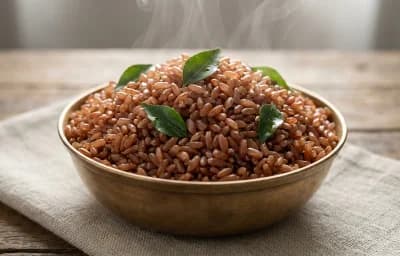
Browse recipes →Kerala red rice has a distinct nutty flavor and a chewy, firm texture. It's a staple in South Indian cuisine, often served with curries, sambar, or rasam. Its robust texture also makes it suitable for salads or as a hearty side dish.
Store uncooked Kerala red rice in an airtight container in a cool, dry, and dark place, away from direct sunlight and moisture. Properly stored, it can last for several months to a year. Cooked red rice should be refrigerated and consumed within 3-4 days.
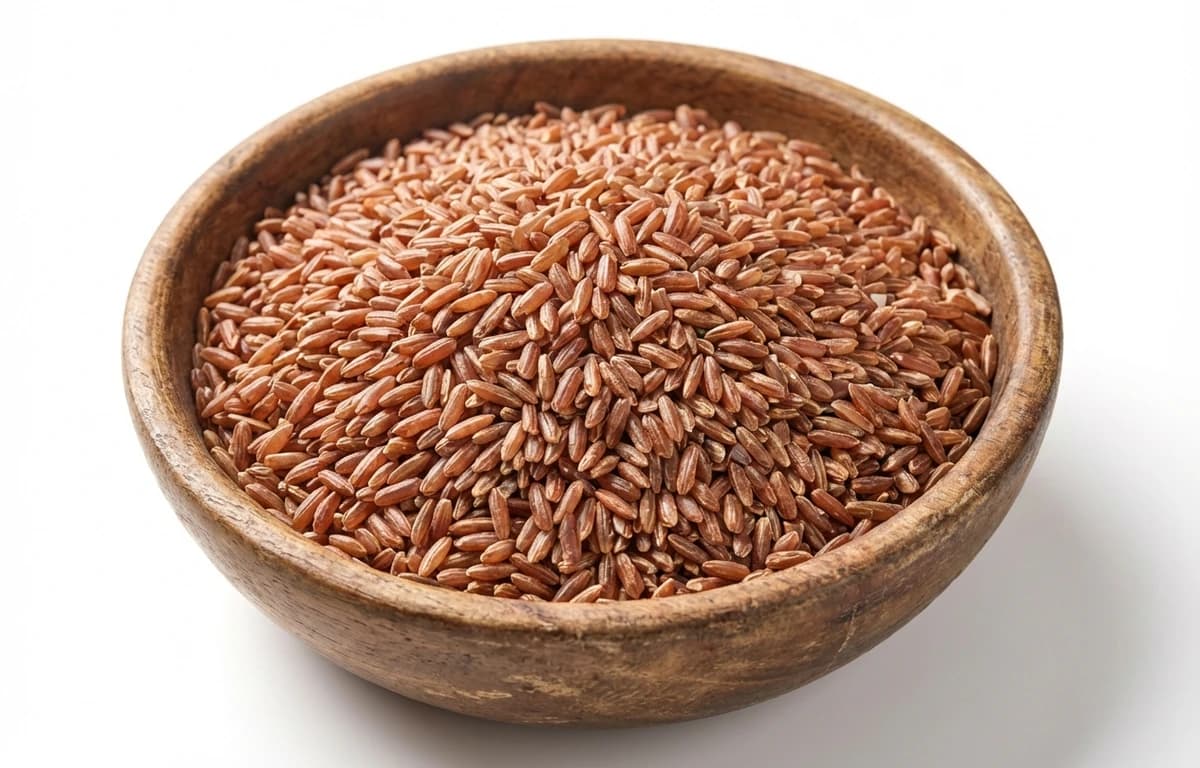
The distinctive red color of Kerala red rice comes from naturally occurring pigments called anthocyanins, which are powerful antioxidants. These compounds are primarily found in the bran layer of the rice grain, contributing to its vibrant hue and health benefits.