
Loading...
Per 100g
Nutrition data source: USDA FoodData Central
Yes, kesuvina ele (Colocasia leaves) is very healthy. It's a low-calorie vegetable rich in essential vitamins like A and C, and minerals such as iron and potassium. It also provides a good amount of dietary fiber and antioxidants, supporting overall well-being.
Per 100g, kesuvina ele offers approximately 42 calories, 4.98g protein, 6.7g carbohydrates, and 0.74g fat. It's particularly rich in Vitamin A and C, which are vital for vision and immune function, and contains antioxidants like beta-carotene, along with beneficial fiber, potassium, and iron.
Yes, kesuvina ele can be beneficial for weight loss. It is low in calories and fat, yet high in dietary fiber, which helps promote satiety and aids in digestion. Its nutrient density also ensures you get essential vitamins and minerals without excess calories.
Yes, as a leafy green vegetable, kesuvina ele is naturally both vegan and gluten-free. It is a plant-based ingredient suitable for various dietary preferences and restrictions.
Yes, kesuvina ele is generally suitable for diabetics. Its low carbohydrate content and high fiber can help manage blood sugar levels. The fiber aids in slowing down sugar absorption, making it a healthy addition to a diabetic-friendly diet.
Kesuvina ele contains calcium oxalate crystals, which can cause an itchy or tingling sensation if not cooked properly. It's crucial to cook them thoroughly, typically by boiling for an extended period (at least 15-20 minutes) and often discarding the first water. Cooking with sour agents like tamarind, kokum, or lemon juice also helps neutralize the oxalates.
kesuvina ele is a versatile ingredient found in cuisines around the world. With 42 calories per 100g and 4.98 grams of protein, it's a nutritious addition to many dishes.
Explore more ingredients in the vegetable category with complete nutrition information.
View all vegetable →Discover 0 recipes featuring kesuvina ele with step-by-step instructions.
Browse recipes →When properly cooked, kesuvina ele has a mild, earthy flavor, often compared to spinach or Swiss chard, but with a slightly more robust texture. It can absorb the flavors of other ingredients it's cooked with, making it versatile in various dishes.
No, kesuvina ele should not be eaten raw. The raw leaves contain high levels of calcium oxalate crystals, which can cause severe irritation, itching, and burning in the mouth and throat. Always ensure they are thoroughly cooked before consumption.
Store fresh kesuvina ele like other leafy greens. Wrap them loosely in a damp paper towel and place them in a perforated plastic bag in the crisper drawer of your refrigerator. They typically stay fresh for 3-5 days.
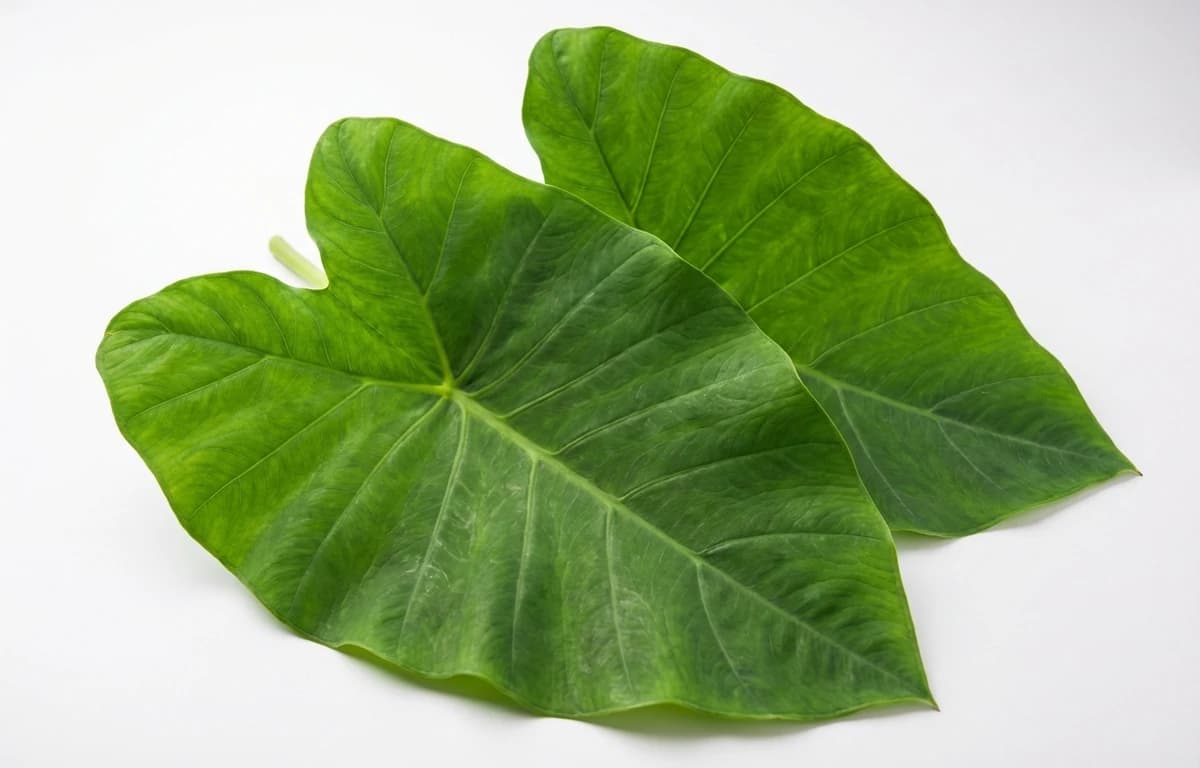
When selecting kesuvina ele, look for vibrant green leaves that are firm and free from any yellowing, wilting, or brown spots. The stems should also appear fresh and not dried out. Avoid leaves with any signs of damage or decay.