
khoa
Also known as:
Loading...
Also known as:
Per 100g
Nutrition data source: USDA FoodData Central
Common measurement equivalents in grams
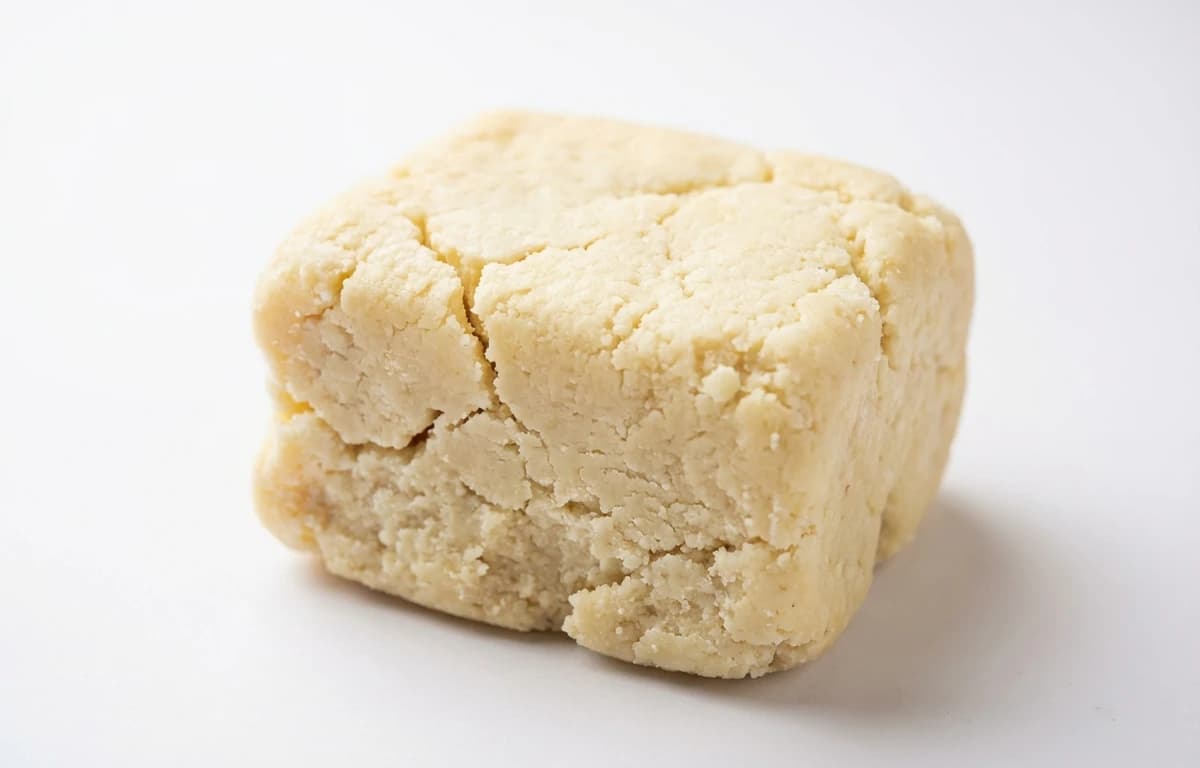
Khoa is a nutrient-dense dairy product, rich in protein, calcium, and vitamins D, B2, and B12, supporting bone health, muscle repair, and energy metabolism. However, it is also high in calories and fat, so it should be consumed in moderation as part of a balanced diet.
Per 100g, khoa contains approximately 316 calories, 16.34g of protein, 16.53g of carbohydrates, and 20.62g of fat. It's a concentrated source of energy and essential macronutrients, also providing calcium and vitamins.
Due to its high calorie and fat content (around 316 calories and 20.62g fat per 100g), khoa is generally not recommended for weight loss in large quantities. While it provides protein and essential nutrients, its energy density means it should be consumed sparingly if you are trying to manage your weight.
No, khoa is not vegan. It is a traditional Indian dairy product made by slowly simmering milk until most of the water evaporates, leaving behind concentrated milk solids. It is suitable for vegetarians, but not vegans.
Yes, pure khoa is naturally gluten-free as it is made solely from milk. However, always check labels if purchasing packaged khoa or khoa-based sweets, as cross-contamination or added ingredients could introduce gluten.
Diabetics should consume khoa in moderation due to its carbohydrate content (around 16.53g per 100g) and high calorie density. While it offers protein, the sugars present in milk solids can impact blood glucose levels. It's best to consult a healthcare professional or dietitian for personalized dietary advice.
Khoa is a fundamental ingredient in Indian cuisine, primarily used to make a wide variety of traditional sweets (mithai) like gulab jamun, barfi, peda, and kalakand. It provides a rich, creamy texture and a distinct milky flavor to these desserts.
khoa is a versatile ingredient found in cuisines around the world. With 315.97 calories per 100g and 16.34 grams of protein, it's a nutritious addition to many dishes.
Explore more ingredients in the dairy category with complete nutrition information.
View all dairy →Khoa is traditionally made by continuously simmering full-fat milk in a large, shallow pan over low heat, stirring constantly, until most of the water evaporates and it reduces to a thick, dough-like consistency of concentrated milk solids. This process can take several hours.
Fresh khoa is highly perishable and should be stored in an airtight container in the refrigerator. This prevents it from drying out and absorbing odors. For longer storage, it can also be frozen.
When stored properly in the refrigerator, fresh khoa typically lasts for about 3-5 days. If frozen in an airtight container, it can last for up to 2-3 months, though its texture might change slightly upon thawing.