seed1 recipes
khuskhus.
VegetarianVeganGluten-freeDairy-freeNut-freePeanut-freeSoy-freeEgg-freeShellfish-freeHoney-freeAlcohol-free
SERVING
CALORIES
525
PROTEIN
18g
CARBS
28.1g
FAT
41.6g
FIBER
19.5g
NUTRITION PROFILE · per 100 g
Everything in this ingredient.
MACRONUTRIENTS
Calories525kcal—
Protein18g36%
Carbohydrates28.1g10%
Fiber19.5g70%
Sugar3.0g6%
Total fat41.6g53%
Saturated fat4.5g23%
Trans fat0g—
Cholesterol0mg0%
Water6.0g—
MINERALS
Sodium26mg1%
Potassium719mg15%
Calcium1438mg111%
Iron9.8mg54%
Magnesium347mg83%
Phosphorus870mg70%
Zinc7.9mg72%
Copper1.6mg181%
Manganese6.7mg292%
Selenium13.5µg25%
VITAMINS
Vitamin A0µg0%
Vitamin C0mg0%
Vitamin D0µg0%
Vitamin E1.8mg12%
Vitamin K0µg0%
Thiamin (B1)0.85mg71%
Riboflavin (B2)0.10mg8%
Niacin (B3)0.90mg6%
Pantothenic acid (B5)0.32mg6%
Vitamin B60.25mg15%
Folate (B9)82µg21%
Vitamin B120µg0%
%DV based on a 2,000 cal diet. Source: USDA FoodData Central. A dash in the %DV column means there’s no established Daily Value for that nutrient.
MEASUREMENT CONVERSIONS
How much is what.
1 cup145g
1 tablespoon11g
1 teaspoon3g
HEALTH BENEFITS
Why eat it.
- ✓Rich source of minerals like calcium, manganese, and magnesium, which are essential for bone health and metabolism.
- ✓Contains healthy unsaturated fats, including oleic and linoleic acids, which support heart health.
- ✓High in dietary fiber, aiding in digestion, promoting satiety, and helping to regulate blood sugar levels.
- ✓Provides antioxidants that help combat cellular damage from free radicals.
COOKING TIPS
In the kitchen.
- 1Lightly toast the seeds in a dry pan over low heat until fragrant to enhance their nutty flavor before using.
- 2For making pastes for curries, soak the seeds in warm water for at least 30 minutes to soften them, which makes grinding easier.
- 3Use ground poppy seed paste as a natural thickening agent and to add a creamy texture to gravies, kormas, and desserts.
- 4Sprinkle whole seeds over breads, bagels, salads, and noodles for a crunchy texture and nutty taste.
STORAGE
Keep it fresh.
- Store in an airtight container in a cool, dark, and dry place to prevent the oils from going rancid.
- For long-term storage (over 6 months), keep poppy seeds in the refrigerator or freezer to maintain freshness.
FAQ
Frequently asked questions.
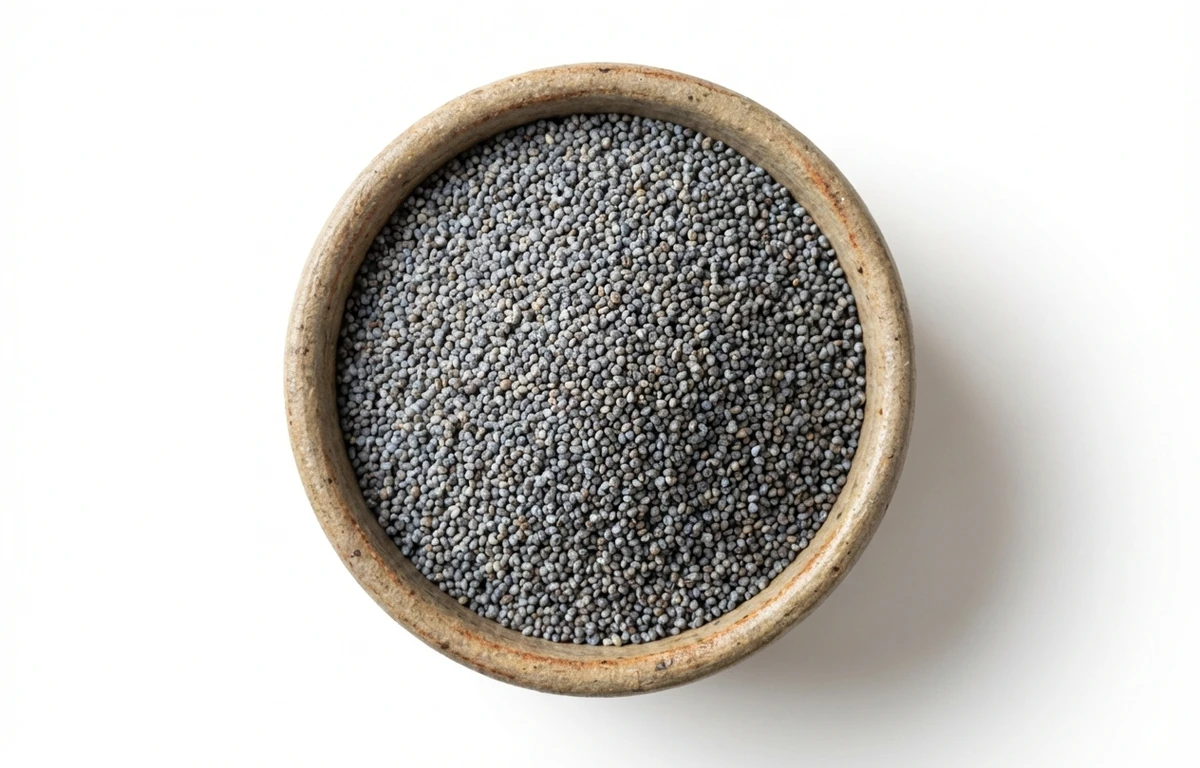
Is khuskhus (poppy seeds) healthy, and what are its health benefits?
Yes, khuskhus is quite healthy. It's a rich source of essential minerals like calcium, manganese, and magnesium, vital for bone health and metabolism. It also contains healthy unsaturated fats, dietary fiber for digestion, and antioxidants that help protect cells from damage.
What is the nutritional content of khuskhus (poppy seeds)?
Per 100g, khuskhus contains approximately 525 calories, 17.99g of protein, 28.13g of carbohydrates, and 41.56g of fat. It's a calorie-dense food due to its high fat content, primarily healthy unsaturated fats.
Is khuskhus good for weight loss?
While khuskhus is calorie-dense, its high fiber content can promote satiety, potentially helping with appetite control. However, due to its high calorie and fat content, it should be consumed in moderation as part of a balanced diet if weight loss is a goal.
Is khuskhus vegan and gluten-free?
Yes, khuskhus (poppy seeds) are naturally vegan as they are plant-based seeds. They are also naturally gluten-free, making them suitable for individuals following a gluten-free diet.
Can diabetics eat khuskhus?
Diabetics can generally consume khuskhus in moderation. Its high fiber content can help regulate blood sugar levels and improve digestion. However, due to its calorie and carbohydrate content, portion control is important, and it should be factored into their daily dietary intake.
How is khuskhus typically used in cooking?
Khuskhus is widely used in various cuisines, especially Indian. It's often ground into a paste to thicken curries and gravies, providing a creamy texture and nutty flavor. It's also used as a garnish for baked goods, breads, and desserts, and in some sweet dishes like halwa.
Do I need to prepare khuskhus before using it in recipes?
For many recipes, especially those requiring a paste, khuskhus is typically soaked in warm water for 30 minutes to an hour before grinding. This softens the seeds, making them easier to blend into a smooth paste. For garnishing, they can be used as is or lightly toasted for enhanced flavor.
How should I store khuskhus (poppy seeds)?
To maintain freshness and prevent rancidity, store khuskhus in an airtight container in a cool, dark, and dry place. For longer shelf life, especially in warmer climates, it can be stored in the refrigerator or freezer.
How long does khuskhus (poppy seeds) last?
When stored properly in an airtight container in a cool, dark place, khuskhus can last for several months, typically up to a year. If refrigerated or frozen, its shelf life can extend even further. Discard if it develops an off smell or bitter taste.
Does khuskhus contain opioids or affect drug tests?
Poppy seeds can contain trace amounts of opioid compounds like morphine and codeine, which are naturally present in the poppy plant. While the levels are usually very low, consuming large quantities of poppy seeds can potentially lead to a positive result on certain drug tests, though this is rare with typical culinary use.
RECIPES
Cook with khuskhus.
1 recipes · sorted by what’s quick
SAME CATEGORY