
Other1 recipes
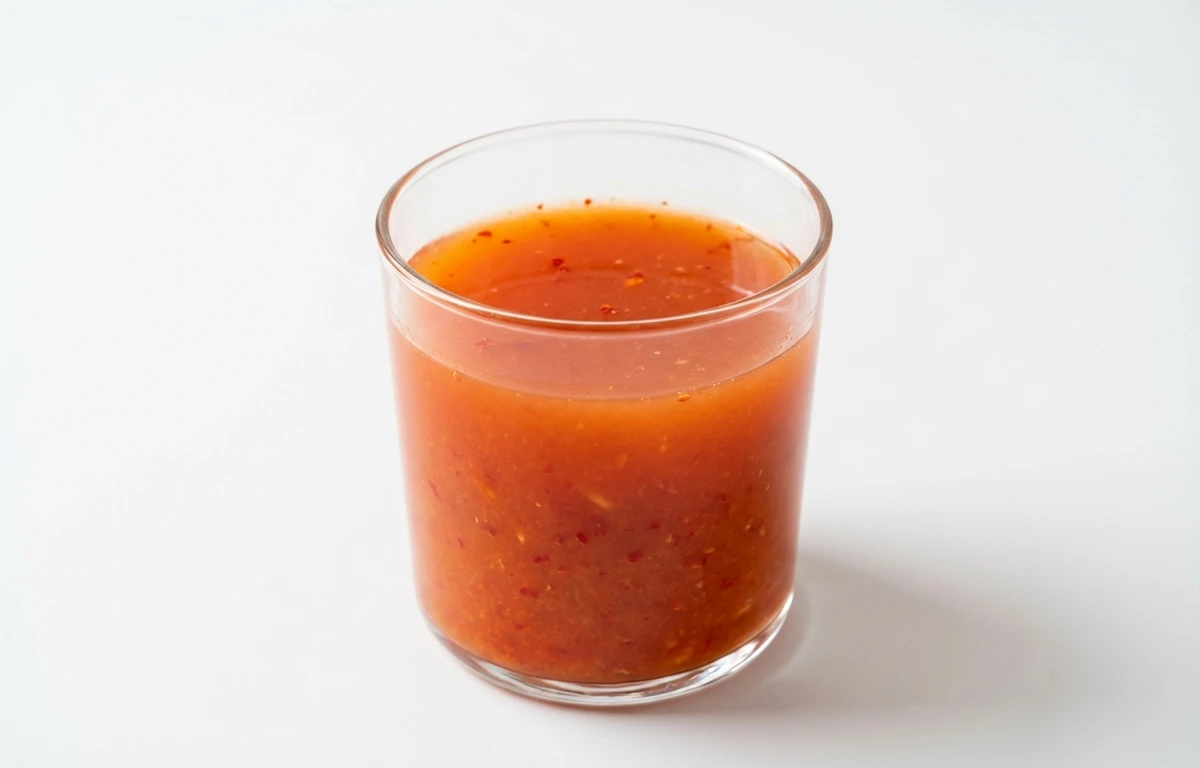
kimchi juice.
VegetarianVeganGluten-freeDairy-freeNut-freePeanut-freeSoy-freeEgg-freeShellfish-freeHoney-freeAlcohol-freeHalalKosherFermented
ALSO KNOWN AS
kimchi juicekimchi brinekimchi liquidkimchi waterkimchi pickling liquid
SERVING
CALORIES
18
PROTEIN
1.1g
CARBS
3.4g
FAT
0.10g
FIBER
0.50g
This ingredient is flagged as naturally gluten-free. Per 100 g, it provides 12 µg of vitamin K.
NUTRITION PROFILE · per 100 g
Everything in this ingredient.
MACRONUTRIENTS
Calories18kcal—
Protein1.1g2%
Carbohydrates3.4g1%
Fiber0.50g2%
Sugar1.8g4%
Total fat0.10g0%
Saturated fat0.02g0%
Trans fat0g—
Cholesterol0mg0%
Water92.5g—
MINERALS
Sodium720mg31%
Potassium160mg3%
Calcium32mg2%
Iron0.40mg2%
Magnesium12mg3%
Phosphorus24mg2%
Zinc0.20mg2%
Copper0.05mg6%
Manganese0.10mg4%
Selenium0.50µg1%
VITAMINS
Vitamin A22µg2%
Vitamin C8.5mg9%
Vitamin D0µg0%
Vitamin E0.10mg1%
Vitamin K12µg10%
Thiamin (B1)0.02mg2%
Riboflavin (B2)0.03mg2%
Niacin (B3)0.40mg3%
Pantothenic acid (B5)0.10mg2%
Vitamin B60.10mg6%
Folate (B9)18µg5%
Vitamin B120µg0%
%DV based on a 2,000 cal diet. Source: USDA FoodData Central. A dash in the %DV column means there’s no established Daily Value for that nutrient.
MEASUREMENT CONVERSIONS
How much is what.
1 cup245g
1 tablespoon15.6g
1 teaspoon5.2g
1 oz28.4g
1 lb453.6g
1 liter1040g
HEALTH BENEFITS
Why eat it.
- ✓Rich in probiotics for improved gut health
- ✓Low in calories and fat
- ✓Source of Vitamin C and Vitamin K
COOKING TIPS
In the kitchen.
- 1Use as a spicy, tangy base for salad dressings or vinaigrettes
- 2Add to stews or soups like Kimchi-jjigae for deep umami flavor
- 3Use as a quick marinade for tofu or meats to tenderize and season
STORAGE
Keep it fresh.
- Store in an airtight glass jar in the refrigerator
- Keep submerged in liquid if possible to prevent oxidation
- Can be frozen in ice cube trays for long-term use
FAQ
Frequently asked questions.
How long does kimchi juice last in the fridge?
It can last for 2 to 4 weeks in the refrigerator if kept in a sealed container, though it will continue to ferment and become more sour over time.
Can I drink kimchi juice directly?
Yes, many people drink small amounts (1-2 ounces) as a probiotic tonic, but be mindful of the high sodium content.
Is kimchi juice always vegan?
No. Traditional kimchi juice often contains fish sauce or salted shrimp. Always check the label for vegan-certified versions if you avoid animal products.
What is a good substitute for kimchi juice?
A mixture of sauerkraut juice and gochugaru (Korean chili flakes) or a blend of rice vinegar, lime juice, and sriracha can mimic the profile.
Can kimchi juice be frozen?
Yes, freezing it in ice cube trays is an excellent way to preserve it for adding to future soups, stews, or sauces.
Why is my kimchi juice fizzy?
Fizziness is a natural byproduct of the fermentation process, caused by carbon dioxide produced by healthy lactic acid bacteria.
How do I know if kimchi juice has gone bad?
If it develops a moldy smell, visible fuzzy mold, or an unusually bitter or 'off' taste beyond its normal sourness, it should be discarded.
Does kimchi juice contain a lot of salt?
Yes, it is very high in sodium due to the brining process used to make kimchi, so it should be used sparingly by those monitoring salt intake.
Can I use kimchi juice to start a new batch of kimchi?
Yes, adding a bit of old kimchi juice (backslopping) can help jumpstart the fermentation of a new batch by introducing active bacteria.
RECIPES
Cook with kimchi juice.
1 recipes · sorted by what’s quick



















