
Vegetable
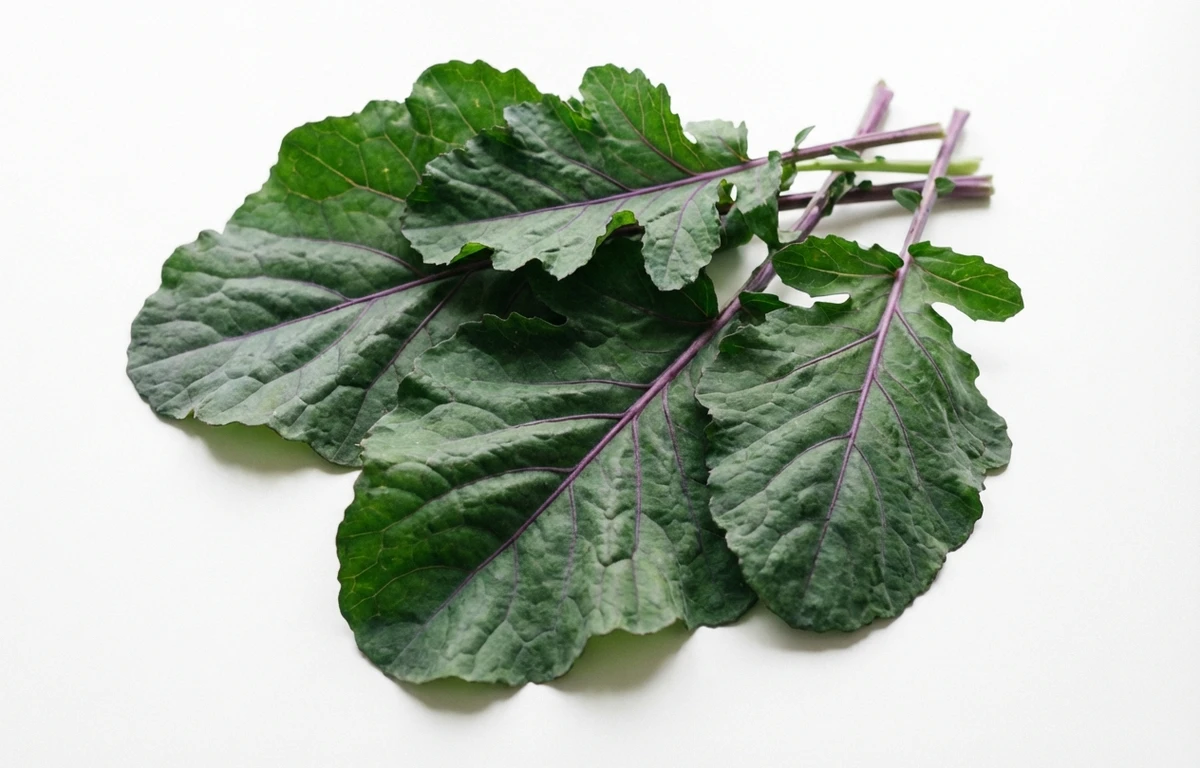
knol-khol leaves.
VegetarianVeganGluten-freeDairy-freeNut-freePeanut-freeSoy-freeEgg-freeShellfish-freeHoney-freeAlcohol-freeHalalKosher
SERVING
CALORIES
43
PROTEIN
3.1g
CARBS
6.2g
FAT
0.35g
FIBER
2.8g
This ingredient is flagged as naturally gluten-free. Per 100 g, it provides 295 µg of vitamin K.
NUTRITION PROFILE · per 100 g
Everything in this ingredient.
MACRONUTRIENTS
Calories42.5kcal—
Protein3.1g6%
Carbohydrates6.2g2%
Fiber2.8g10%
Sugar0.10g0%
Total fat0.35g0%
Saturated fat0.11g1%
Trans fat0g—
Cholesterol0mg0%
Water86.2g—
MINERALS
Sodium26.8mg1%
Potassium309mg7%
Calcium368mg28%
Iron2.5mg14%
Magnesium66mg16%
Phosphorus55mg4%
Zinc0.42mg4%
Copper0.07mg8%
Manganese0.70mg30%
Selenium10.5µg19%
VITAMINS
Vitamin A12µg1%
Vitamin C71.1mg79%
Vitamin D0.59µg3%
Vitamin E0.53mg4%
Vitamin K295µg246%
Thiamin (B1)0.06mg5%
Riboflavin (B2)0.15mg12%
Niacin (B3)0.86mg5%
Pantothenic acid (B5)0.27mg5%
Vitamin B60.28mg16%
Biotin (B7)13.6µg45%
Folate (B9)41.5µg10%
%DV based on a 2,000 cal diet. Source: USDA FoodData Central. A dash in the %DV column means there’s no established Daily Value for that nutrient.
MEASUREMENT CONVERSIONS
How much is what.
1 cup35g
1 tablespoon2.2g
1 teaspoon0.7g
1 oz28.4g
1 lb453.6g
1 ml0.1g
1 liter147.9g
HEALTH BENEFITS
Why eat it.
- ✓Rich in Vitamin A (as beta-carotene), essential for vision health and cellular growth.
COOKING TIPS
In the kitchen.
- 1Treat knol-khol leaves similarly to kale or collard greens; they can be sautéed, steamed, braised, or added to soups and stews.
- 2Remove the tough central rib or stem before cooking for a more tender result.
- 3Sauté with garlic, olive oil, and a pinch of red pepper flakes for a simple and flavorful side dish.
- 4Blanch the leaves briefly in boiling water and then shock in ice water to preserve their vibrant green color before adding to dishes.
STORAGE
Keep it fresh.
- Separate the leaves from the kohlrabi bulb, as the leaves can draw moisture from the bulb.
- Wrap unwashed leaves in a damp paper towel, place them in a perforated plastic bag, and store in the refrigerator's crisper drawer for up to 5 days.
FAQ
Frequently asked questions.
Are knol-khol leaves vegan and gluten-free?
Yes, knol-khol leaves are naturally vegan and gluten-free. As a vegetable, they contain no animal products or gluten-containing grains, making them suitable for individuals following these dietary restrictions.
How do you cook knol-khol leaves?
Knol-khol leaves can be cooked similarly to other leafy greens like collards or kale. They can be sautéed, steamed, braised, or added to soups and stews. Ensure to wash them thoroughly and remove any tough stems before cooking.
What do knol-khol leaves taste like?
Knol-khol leaves have a mild, slightly peppery, and earthy flavor, often described as a cross between cabbage and collard greens. They are generally less bitter than some other brassicas and become tender and sweeter when cooked.
How do you store knol-khol leaves?
Store fresh knol-khol leaves unwashed in a plastic bag in the refrigerator's crisper drawer. They can typically last for 3-5 days. For longer storage, you can blanch them briefly and then freeze them.
Can knol-khol leaves be eaten raw?
Yes, young and tender knol-khol leaves can be eaten raw. They can be finely chopped and added to salads for a slightly peppery crunch. However, cooking them can make them more tender and easier to digest for some individuals.



















