
Other10 recipes
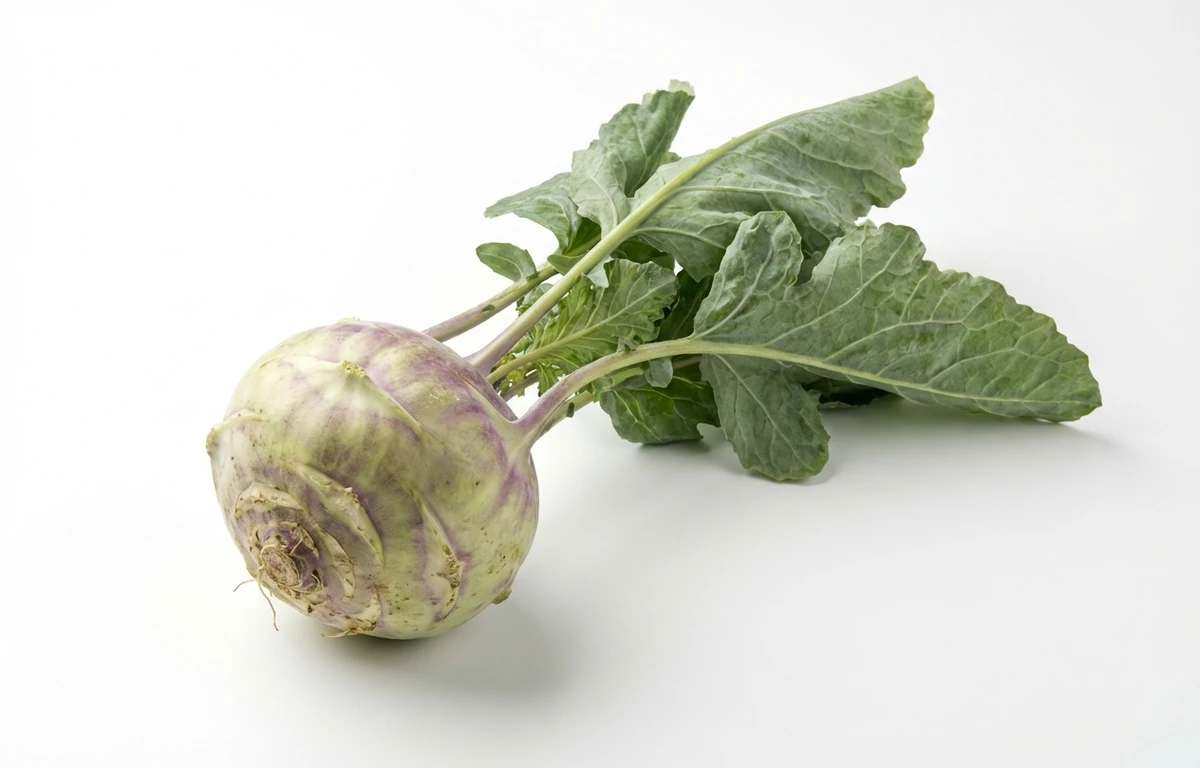
kohlrabi.
VegetarianVeganGluten-freeDairy-freeNut-freePeanut-freeSoy-freeEgg-freeShellfish-freeHoney-freeAlcohol-freeHalalKosher
ALSO KNOWN AS
German turnipkohlrabi bulbkohlrabiboiled unsalted kohlrabiraw kohlrabi
SERVING
CALORIES
27
PROTEIN
1.7g
CARBS
6.2g
FAT
0.10g
FIBER
3.6g
This ingredient is flagged as naturally gluten-free. Per 100 g, it provides 0.10 µg of vitamin K.
NUTRITION PROFILE · per 100 g
Everything in this ingredient.
MACRONUTRIENTS
Calories27kcal—
Protein1.7g3%
Carbohydrates6.2g2%
Fiber3.6g13%
Sugar2.6g5%
Total fat0.10g0%
Saturated fat0.01g0%
Trans fat0g—
Cholesterol0mg0%
Water91g—
MINERALS
Sodium20mg1%
Potassium350mg7%
Calcium24mg2%
Iron0.40mg2%
Magnesium19mg5%
Phosphorus46mg4%
Zinc0.03mg0%
Copper0.13mg14%
Manganese0.14mg6%
Selenium0.70µg1%
VITAMINS
Vitamin A2.0µg0%
Vitamin C62mg69%
Vitamin D0µg0%
Vitamin E0.48mg3%
Vitamin K0.10µg0%
Thiamin (B1)0.05mg4%
Riboflavin (B2)0.02mg2%
Niacin (B3)0.40mg3%
Pantothenic acid (B5)0.17mg3%
Vitamin B60.15mg9%
Folate (B9)16µg4%
Vitamin B120µg0%
%DV based on a 2,000 cal diet. Source: USDA FoodData Central. A dash in the %DV column means there’s no established Daily Value for that nutrient.
MEASUREMENT CONVERSIONS
How much is what.
1 cup135g
1 tablespoon8.4g
1 teaspoon2.8g
1 ml0.6g
1 liter562.5g
1 piece150g
HEALTH BENEFITS
Why eat it.
- ✓Rich in potassium, which can help lower blood pressure and support heart health.
COOKING TIPS
In the kitchen.
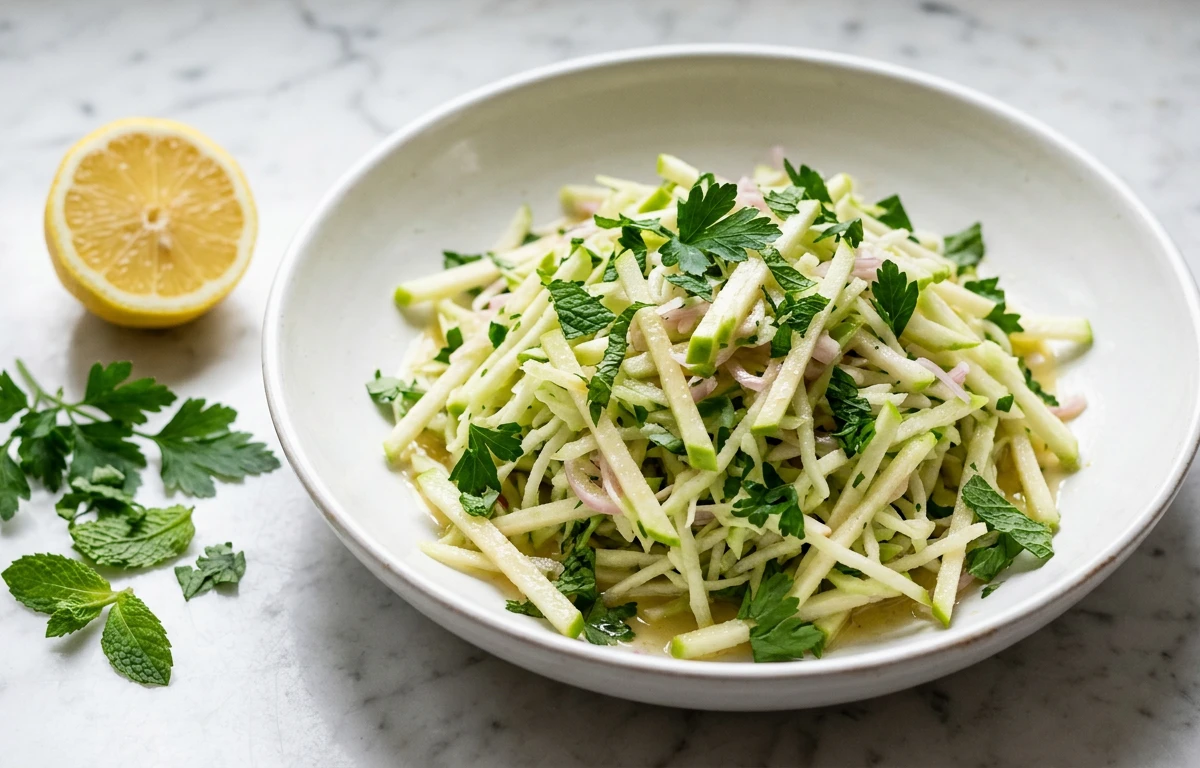
- 1Enjoy kohlrabi raw for a crisp, crunchy texture. Peel the tough outer skin, then slice, julienne, or grate it into salads and slaws.
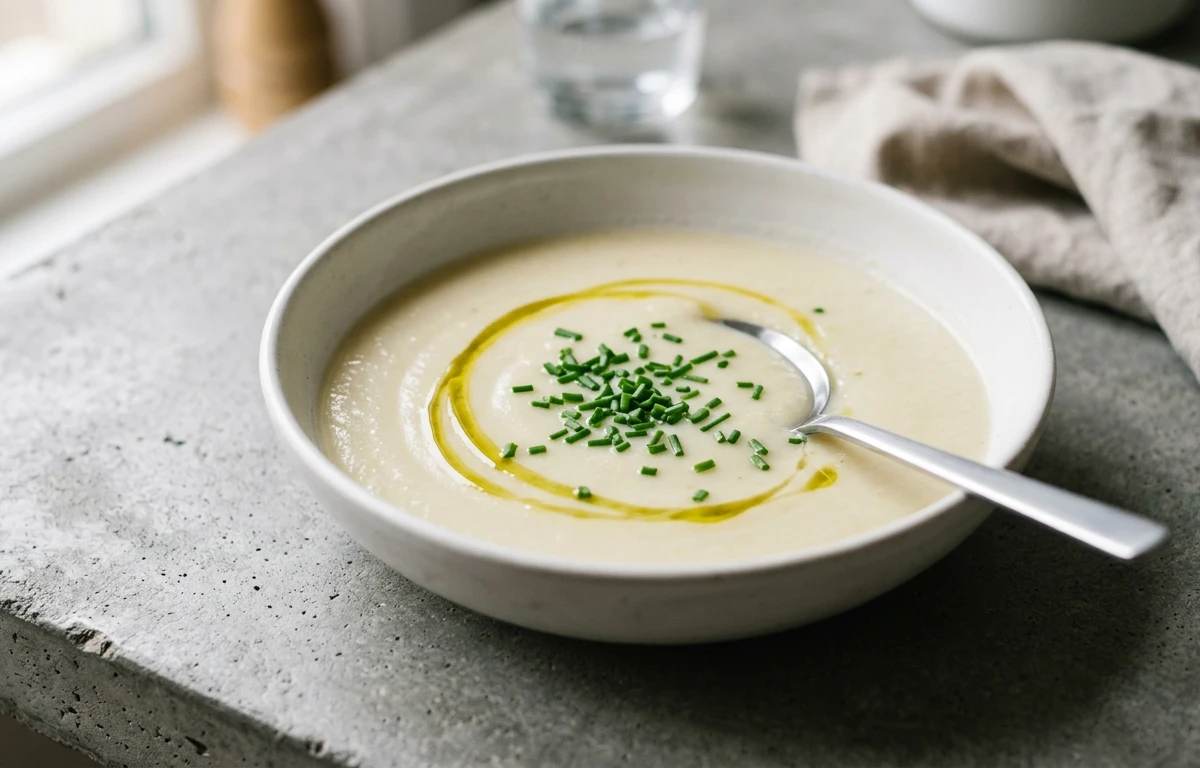
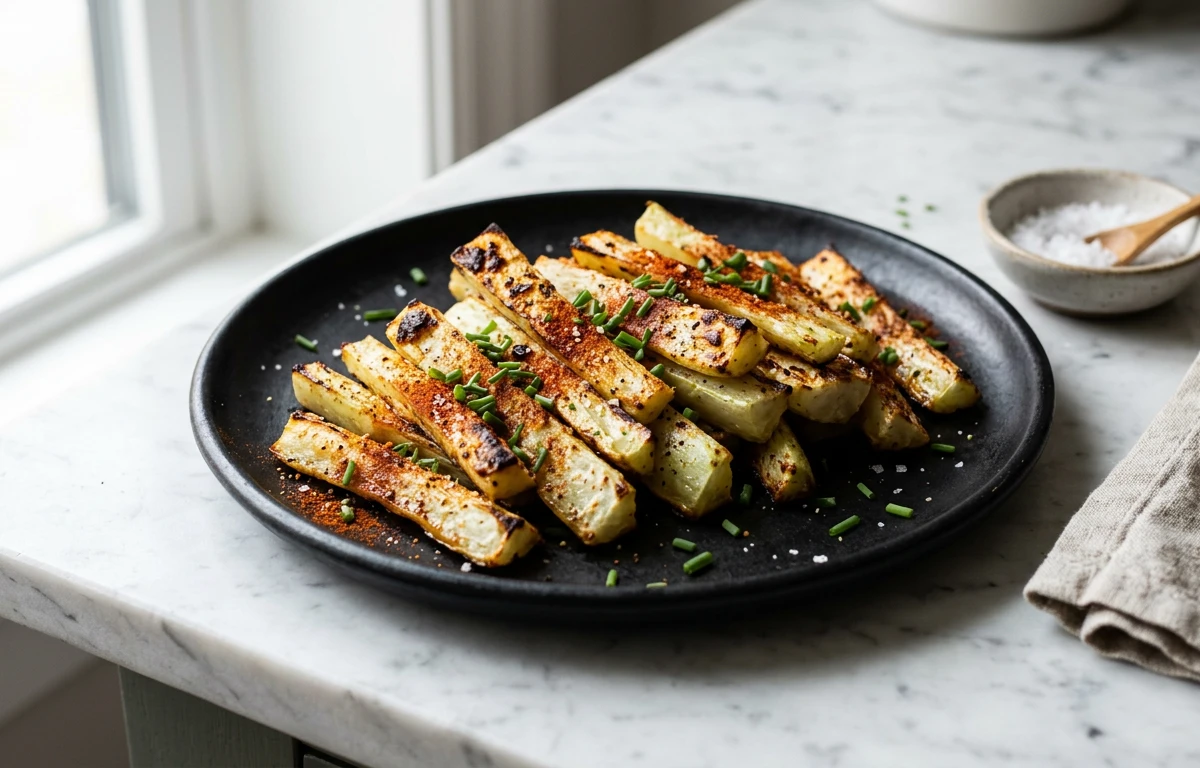
- 2When cooked, kohlrabi develops a milder, sweeter flavor. It can be roasted, steamed, boiled and mashed, or sautéed.
- 3The leaves are also nutritious and can be cooked like spinach or other dark leafy greens.
- 4For a simple preparation, toss peeled and cubed kohlrabi with olive oil, salt, and pepper, then roast at 400°F (200°C) until tender and lightly caramelized.
STORAGE
Keep it fresh.
- Remove the leaves from the bulb before storing, as they draw out moisture. Store the bulb in the crisper drawer of the refrigerator for up to 3 weeks.
- The leaves are also edible; store them separately in a plastic bag in the fridge and use within 2-3 days, similar to kale or spinach.
FAQ
Frequently asked questions.
What are the nutritional values of kohlrabi?
Per 100 grams, kohlrabi is very low in calories, providing only about 27 calories. It contains approximately 1.7g of protein, 6.2g of carbohydrates (with a good portion being fiber), and a negligible 0.1g of fat. It's also packed with Vitamin C, potassium, and other essential nutrients.
Is kohlrabi keto-friendly or low-carb?
Kohlrabi can be considered low-carb and suitable for some keto diets in moderation. With approximately 6.2g of carbohydrates per 100g, it's lower in carbs than many root vegetables. However, individuals on strict keto diets should monitor their intake to stay within their daily carb limits.
Is kohlrabi vegan and gluten-free?
Yes, kohlrabi is naturally both vegan and gluten-free. As a vegetable, it contains no animal products or gluten, making it suitable for individuals following these dietary restrictions.
How do you prepare and cook kohlrabi?
Kohlrabi can be enjoyed raw or cooked. For preparation, wash it thoroughly and trim off the stems and leaves (which are also edible). You can peel the tough outer layer, especially if the kohlrabi is large or older. It can be roasted, steamed, sautéed, or added to stir-fries, soups, and salads.
What does kohlrabi taste like?
Kohlrabi has a mild, slightly sweet, and peppery flavor, often described as a cross between a radish and a cabbage, but milder and sweeter than both. Its texture is crisp and crunchy when raw, similar to an apple or broccoli stem, and becomes tender when cooked.
Can you eat kohlrabi raw?
Yes, kohlrabi is excellent eaten raw. Its crisp texture and mild, slightly sweet flavor make it a great addition to salads, slaws, or simply sliced into sticks for dipping. Both the bulb and the tender leaves can be consumed raw.
How should you store kohlrabi?
Store fresh kohlrabi bulbs in the refrigerator, ideally in a plastic bag or crisper drawer, where they can last for several weeks. If the leaves are attached, remove them before storing the bulb, as they draw moisture away. The leaves can be stored separately and used within a few days.
Do you need to peel kohlrabi before eating?
Peeling kohlrabi is optional, depending on its size and age. Younger, smaller kohlrabi often has tender skin that can be eaten. However, larger or older kohlrabi can have a tougher, fibrous skin that is best peeled for a more pleasant texture, especially when eating raw.
RECIPES
Cook with kohlrabi.
10 recipes · sorted by what’s quick
RELATED GUIDES



















