
Loading...
Also known as: Amsul, Garcinia Indica, Bindin, Dried Kokum, Kokum Sol, Punarpuli, Murgal, Bhirand, Ratambe, Dried Garcinia Indica, Kokum Phool, Moolam
Per 100g
Nutrition data source: USDA FoodData Central
Common measurement equivalents in grams
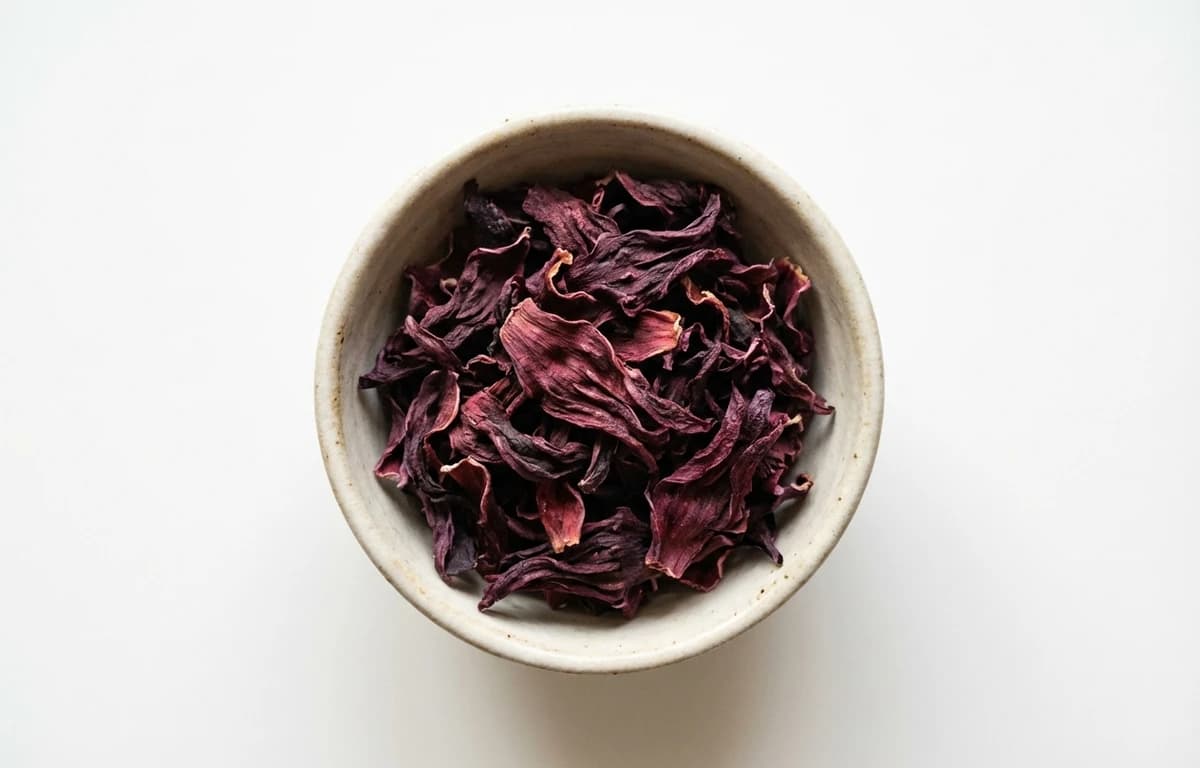
Kokum petals are the dried outer rinds of the Garcinia indica fruit, primarily used as a souring agent in Indian coastal cuisine.
When stored in an airtight container in a dry place, they can last for about 1 year. Refrigeration can extend this further.
Look for petals that are dark purple to black in color, slightly moist, and pliable rather than bone-dry or brittle.
Tamarind paste or dry mango powder (amchur) are the best substitutes, though kokum has a more subtle, fruity sourness.
Yes, it is recommended to give them a quick rinse to remove any dust or excess salt used during the drying process.
While it tastes acidic, it has an alkalizing effect on the body and is traditionally used to treat stomach acidity.
While edible, they are very tart and tough. They are usually used to infuse flavor into liquids and then discarded or left in the dish.
It is the star ingredient in Sol Kadhi (a cooling drink), fish curries, and various Maharashtrian and Goan dals.
Many commercially available dried kokum petals are rubbed with salt during the drying process to act as a preservative.
Kokum Petals is a versatile ingredient found in cuisines around the world. With 60 calories per 100g and 1.5 grams of protein, it's a nutritious addition to many dishes.
Explore more ingredients in the fruit category with complete nutrition information.
View all fruit →Discover 10 recipes featuring kokum petals with step-by-step instructions.
Browse recipes →Explore more ingredients similar to Kokum Petals.
The most-searched ingredients on CraftMyMeals.