
Spice10 recipes
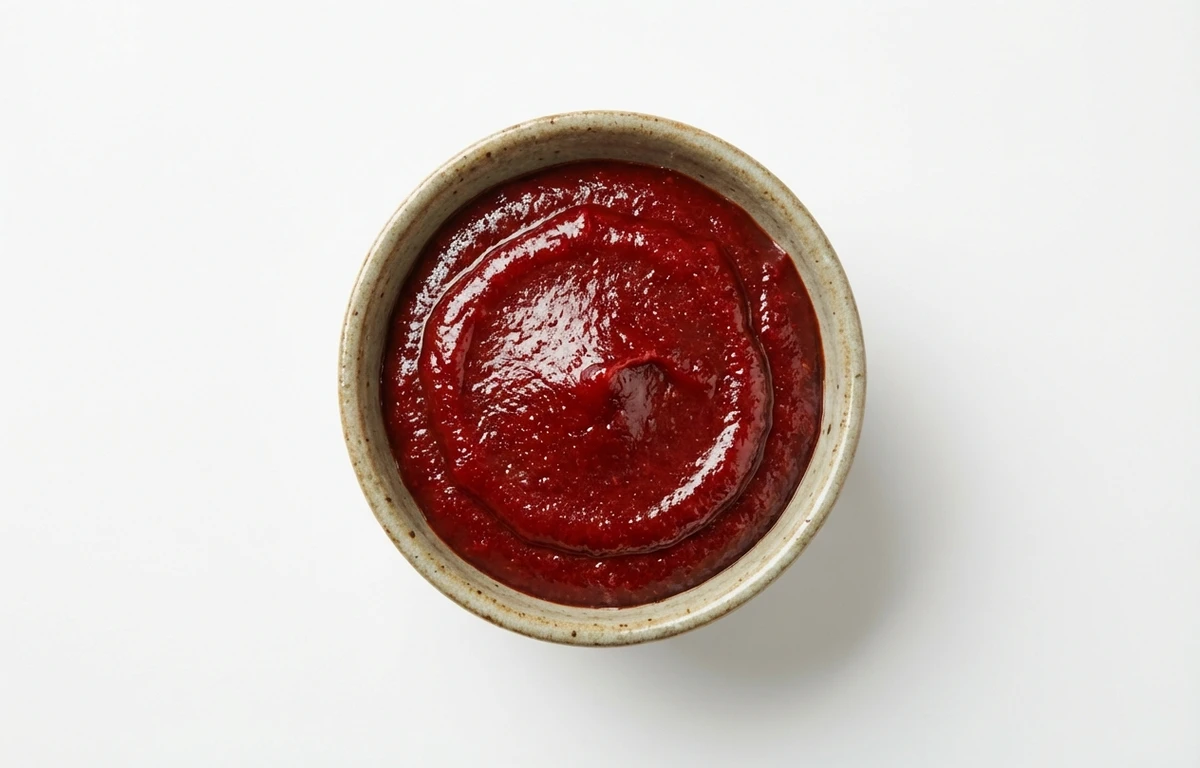
korean chili paste.
VegetarianVeganGluten-freeDairy-freeNut-freePeanut-freeSoy-freeEgg-freeShellfish-freeHoney-freeAlcohol-freeFermented
ALSO KNOWN AS
gochujanggo chu jangKorean chili sauce
SERVING
CALORIES
220
PROTEIN
5.0g
CARBS
45g
FAT
1.5g
FIBER
3.0g
NUTRITION PROFILE · per 100 g
Everything in this ingredient.
MACRONUTRIENTS
Calories220kcal—
Protein5.0g10%
Carbohydrates45g16%
Fiber3.0g11%
Sugar25g50%
Total fat1.5g2%
Saturated fat0.20g1%
Cholesterol0mg0%
Water40g—
MINERALS
Sodium2300mg100%
Potassium150mg3%
Calcium30mg2%
Iron1.5mg8%
Magnesium25mg6%
Phosphorus70mg6%
Zinc0.30mg3%
Copper0.06mg7%
Manganese0.10mg4%
Selenium1.2µg2%
VITAMINS
Vitamin A75µg8%
Vitamin C8.0mg9%
Vitamin D0µg0%
Vitamin K1.0µg1%
Thiamin (B1)0.03mg3%
Riboflavin (B2)0.05mg4%
Niacin (B3)0.80mg5%
Pantothenic acid (B5)0.20mg4%
Vitamin B60.05mg3%
Folate (B9)10µg3%
%DV based on a 2,000 cal diet. Source: USDA FoodData Central. A dash in the %DV column means there’s no established Daily Value for that nutrient.
MEASUREMENT CONVERSIONS
How much is what.
1 cup350g
1 tablespoon22g
1 teaspoon7g
1 ml1.5g
1 liter1466.7g
1 piece50g
HEALTH BENEFITS
Why eat it.
- ✓Contains capsaicin from chili peppers, which may help boost metabolism and reduce inflammation.
- ✓As a fermented food, it can contribute beneficial bacteria (probiotics) to support gut health.
- ✓Rich in antioxidants like vitamin C and beta-carotene, which help protect cells from damage.
- ✓Low in fat, making it a flavorful way to season dishes without adding significant fat content.
COOKING TIPS
In the kitchen.
- 1Use as a base for marinades for meats like bulgogi or vegetables by combining it with soy sauce, sesame oil, garlic, and a sweetener.
- 2It is a fundamental ingredient for classic Korean stews (jjigae) and the spicy rice cake dish, tteokbokki.
- 3Create a simple dipping sauce (ssamjang) by mixing it with soybean paste (doenjang), sesame oil, and minced garlic.
- 4The flavor is very concentrated, so start with a small amount and add more to taste. It's often diluted with other liquids in recipes.
STORAGE
Keep it fresh.
- Once opened, store gochujang in the refrigerator with the lid tightly sealed to maintain freshness and prevent mold.
- An opened container can last for up to a year or more in the refrigerator due to its high salt content.
- The paste may darken over time due to oxidation; this is normal and does not indicate spoilage.
FAQ
Frequently asked questions.
Is Korean chili paste (gochujang) healthy?
Korean chili paste offers several health benefits. It contains capsaicin from chili peppers, which may help boost metabolism and reduce inflammation. As a fermented food, it can contribute beneficial bacteria to support gut health, and it's rich in antioxidants like vitamin C and beta-carotene.
What are the nutritional values of Korean chili paste?
Per 100g, Korean chili paste typically contains around 220 calories, 5g of protein, 45g of carbohydrates, and 1.5g of fat. While low in fat, it is relatively high in carbohydrates due to the rice syrup used in its production.
Is Korean chili paste good for weight loss?
Due to its capsaicin content, Korean chili paste may slightly aid metabolism. However, it is also high in sugar and carbohydrates, so it should be consumed in moderation as part of a balanced diet. It can add significant flavor without much fat, which can be helpful.
Is Korean chili paste vegan?
Most traditional Korean chili pastes are vegan, as their primary ingredients are chili powder, fermented soybeans, glutinous rice, and salt. However, it's always best to check the ingredient list on specific brands, as some may contain unexpected additives.
Is Korean chili paste gluten-free?
Traditional Korean chili paste often contains wheat or barley in the fermentation process of the soybean paste (meju), making it not gluten-free. However, many brands now offer certified gluten-free versions made with alternative grains like rice, so always check the label carefully.
Can diabetics eat Korean chili paste?
Korean chili paste is relatively high in carbohydrates and sugars due to the use of glutinous rice and rice syrup. Diabetics should consume it in moderation and account for its carbohydrate content when managing blood sugar levels. Consulting a healthcare professional for personalized dietary advice is recommended.
What does Korean chili paste taste like?
Korean chili paste has a complex flavor profile that is spicy, savory, sweet, and deeply umami. The fermentation process gives it a unique depth, balancing the heat of the chilies with a subtle sweetness and a rich, fermented tang.
How do you use Korean chili paste in cooking?
Korean chili paste is a versatile ingredient used in many Korean dishes. It's excellent in marinades for meats (like bulgogi or spicy pork), as a base for stews (e.g., tteokbokki, kimchi jjigae), in dipping sauces, and mixed into rice dishes like bibimbap.
How do you store Korean chili paste?
Once opened, Korean chili paste should be stored in the refrigerator to maintain its freshness and flavor. Keep it in its original sealed container or an airtight jar. Properly stored, it can last for several months to a year.
Is Korean chili paste very spicy?
The spice level of Korean chili paste can vary by brand and specific product, ranging from mild to very spicy. Generally, it offers a moderate to high level of heat that is well-balanced by its sweetness and savory notes, making it palatable for many spice tolerances.
RECIPES
Cook with korean chili paste.
10 recipes · sorted by what’s quick



















