vegetable1 recipes
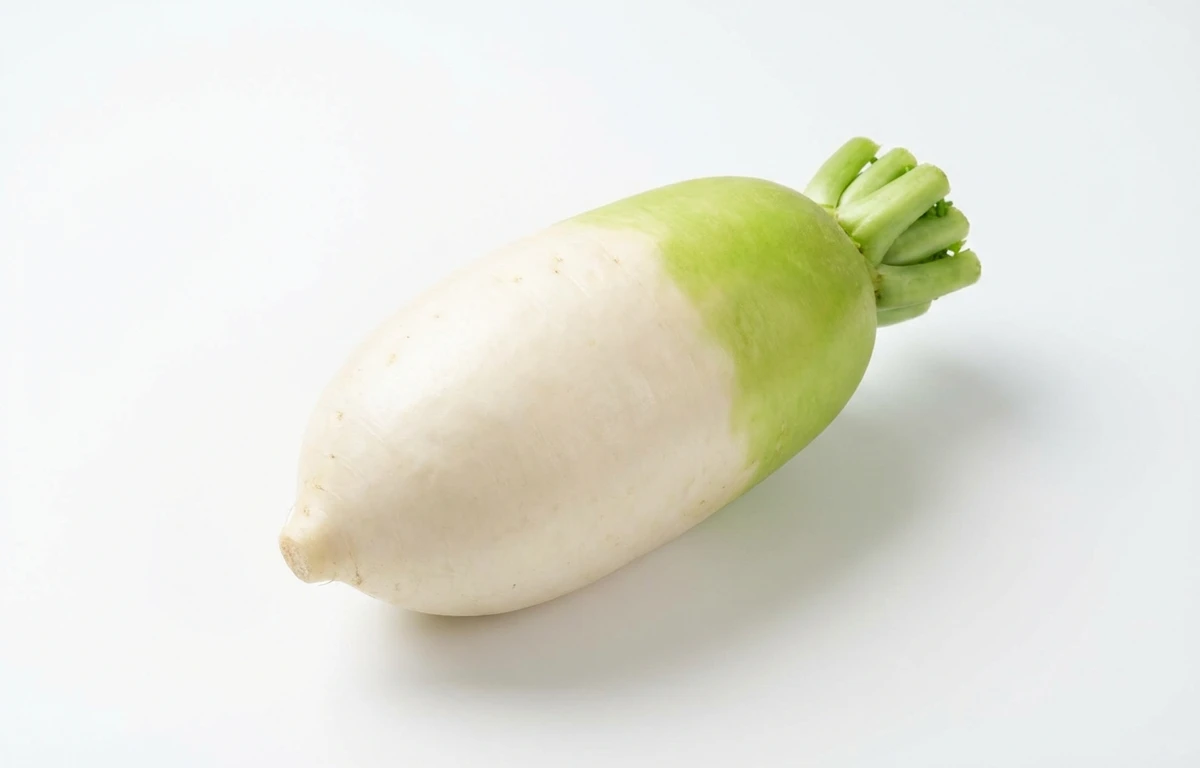
Korean Radish.
VegetarianVeganGluten-freeDairy-freeNut-freePeanut-freeSoy-freeEgg-freeShellfish-freeHoney-freeAlcohol-free
ALSO KNOWN AS
MuJoseon-muKorean white radishKkakdugi radish
SERVING
CALORIES
18
PROTEIN
0.80g
CARBS
4.1g
FAT
0.10g
FIBER
1.6g
NUTRITION PROFILE · per 100 g
Everything in this ingredient.
MACRONUTRIENTS
Calories18kcal—
Protein0.80g2%
Carbohydrates4.1g1%
Fiber1.6g6%
Sugar2.5g5%
Total fat0.10g0%
Saturated fat0.03g0%
Trans fat0g—
Cholesterol0mg0%
Water94.5g—
MINERALS
Sodium25mg1%
Potassium230mg5%
Calcium27mg2%
Iron0.40mg2%
Magnesium10mg2%
Phosphorus23mg2%
Zinc0.15mg1%
Copper0.03mg3%
Manganese0.04mg2%
Selenium0.70µg1%
VITAMINS
Vitamin A0µg0%
Vitamin C15mg17%
Vitamin D0µg0%
Vitamin E0mg0%
Vitamin K0.30µg0%
Thiamin (B1)0.02mg2%
Riboflavin (B2)0.02mg2%
Niacin (B3)0.20mg1%
Pantothenic acid (B5)0.14mg3%
Vitamin B60.05mg3%
Folate (B9)25µg6%
Vitamin B120µg0%
%DV based on a 2,000 cal diet. Source: USDA FoodData Central. A dash in the %DV column means there’s no established Daily Value for that nutrient.
MEASUREMENT CONVERSIONS
How much is what.
1 cup140g
1 tablespoon9g
1 teaspoon3g
1 oz28.4g
1 lb453.6g
1 piece900g
HEALTH BENEFITS
Why eat it.
- ✓Contains diastase enzymes that aid in the digestion of carbohydrates
- ✓High in Vitamin C which supports immune system function
- ✓Low in calories and high in water content, making it excellent for weight management
- ✓Contains phytochemicals like indoles that may have anti-cancer properties
- ✓Acts as a natural detoxifier and helps soothe sore throats
COOKING TIPS
In the kitchen.
- 1The green top part is sweeter and better for salads or fresh dishes, while the white bottom is spicier and better for soups
- 2Do not peel the skin if it is thin and clean, as it contains many nutrients and enzymes
- 3Salt the radish cubes before making kimchi to draw out excess water and improve texture
STORAGE
Keep it fresh.
- Wrap the radish in newspaper or plastic wrap to prevent moisture loss
- Store in the vegetable crisper drawer of the refrigerator for up to 2 weeks
- If the leaves are attached, cut them off and store separately to keep the root firm
FAQ
Frequently asked questions.
What is the difference between Korean radish and Daikon?
Korean radish (Mu) is shorter, rounder, and denser than Daikon. It has a pale green top and a stronger, slightly spicier flavor and crunchier texture that holds up better in soups.
How do I pick a good Korean radish?
Look for one that feels heavy for its size, is firm to the touch, and has smooth, blemish-free skin with a vibrant green color at the top.
Can I freeze Korean radish?
Yes, you can freeze it sliced or cubed, but the texture will become soft. Frozen radish is best used for soups and stews rather than fresh salads.
What can I use as a substitute for Korean radish?
Daikon radish is the best substitute. If unavailable, you can use large red radishes or even turnips, though the flavor profile will change slightly.
Is Korean radish eaten raw?
Yes, it is frequently eaten raw in salads (Mu-saengchae), as a side dish, or pickled (Danmuji).
Why is my Korean radish bitter?
Radishes grown in hot weather or those that are over-mature can develop a bitter taste. Soaking in cold water or adding a bit of sugar during cooking can help.
Does Korean radish help with digestion?
Yes, it contains enzymes like amylase and diastase which help break down starches, making it a traditional remedy for indigestion.
How long does it last in the fridge?
When wrapped properly in plastic or a damp paper towel, it can stay fresh in the refrigerator for 1 to 2 weeks.
Is the skin of Korean radish edible?
Yes, the skin is edible and contains high concentrations of Vitamin C. Just scrub it well before use.
RECIPES
Cook with korean radish.
1 recipes · sorted by what’s quick