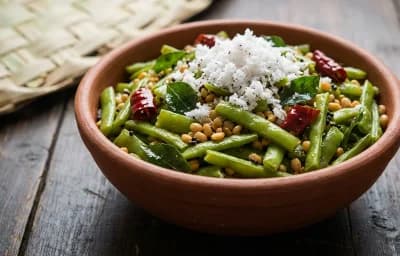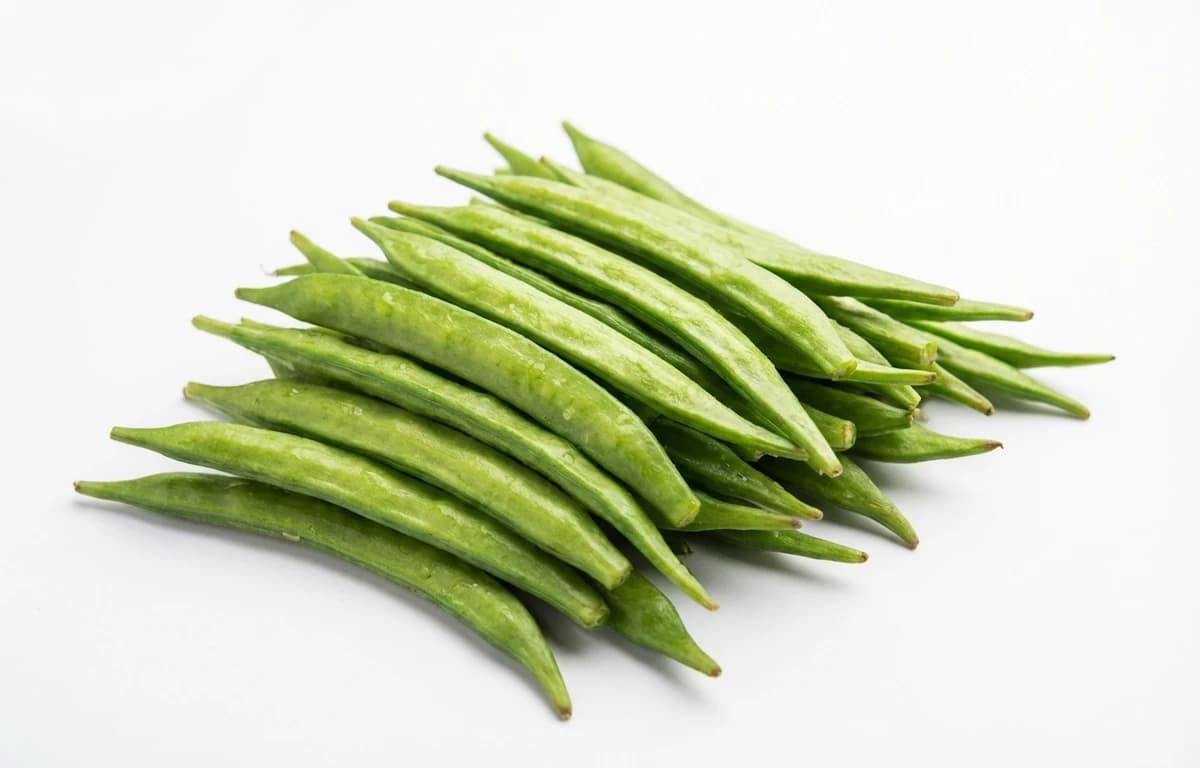
kothavarangai
Also known as: Cluster Beans, Guar, Gavar
Loading...
Also known as: Cluster Beans, Guar, Gavar
Per 100g
Nutrition data source: USDA FoodData Central
Yes, kothavarangai is very healthy. It's rich in dietary fiber, essential vitamins like K and C, and minerals such as calcium, iron, and phosphorus. Its low calorie and fat content, combined with its nutrient density, makes it a beneficial addition to any diet.
Kothavarangai is particularly beneficial for digestion due to its high soluble fiber content, which also helps regulate blood sugar. It supports bone health with Vitamin K and calcium, boosts immunity with Vitamin C, and aids in cell growth with folate. The galactomannan fiber may also help lower LDL cholesterol.
Per 100g, kothavarangai is very low in calories, providing only about 16 calories. It contains approximately 1.6g of protein, 3.6g of carbohydrates, and a minimal 0.1g of fat, making it a nutrient-dense, low-energy food.
Yes, kothavarangai is excellent for weight loss. Its low calorie and fat content, combined with high dietary fiber, promotes satiety and helps you feel full longer. This can reduce overall calorie intake and support weight management efforts.
Yes, kothavarangai is naturally vegan as it is a plant-based vegetable. It is also inherently gluten-free, making it suitable for individuals following vegan diets or those with gluten sensitivities and celiac disease.
Yes, kothavarangai is beneficial for people with diabetes. Its high soluble fiber content helps regulate blood sugar levels by slowing down glucose absorption. This can contribute to better glycemic control and overall diabetic management.
kothavarangai is a versatile ingredient found in cuisines around the world. With 16 calories per 100g and 1.6 grams of protein, it's a nutritious addition to many dishes.
Explore more ingredients in the legume category with complete nutrition information.
View all legume →Discover 10 recipes featuring kothavarangai with step-by-step instructions.
Browse recipes →Kothavarangai typically needs to be trimmed by snapping off the ends and removing any strings along the sides. It can be steamed, boiled, stir-fried, or added to curries and stews. It pairs well with spices like mustard seeds, cumin, and turmeric.
Kothavarangai has a slightly bitter, earthy taste with a firm, crunchy texture when cooked properly. The bitterness can be mellowed by blanching or cooking with other ingredients and spices, which helps to balance its unique flavor profile.
To store fresh kothavarangai, place the unwashed beans in a perforated plastic bag or wrap them loosely in a paper towel and then a plastic bag. Keep them in the crisper drawer of your refrigerator, where they can stay fresh for up to 3-5 days.
Yes, kothavarangai is beneficial for bone health due to its Vitamin K, calcium, and phosphorus content, which are crucial for maintaining strong bones. The galactomannan fiber present in cluster beans may also help in lowering LDL (bad) cholesterol levels, supporting cardiovascular health.