
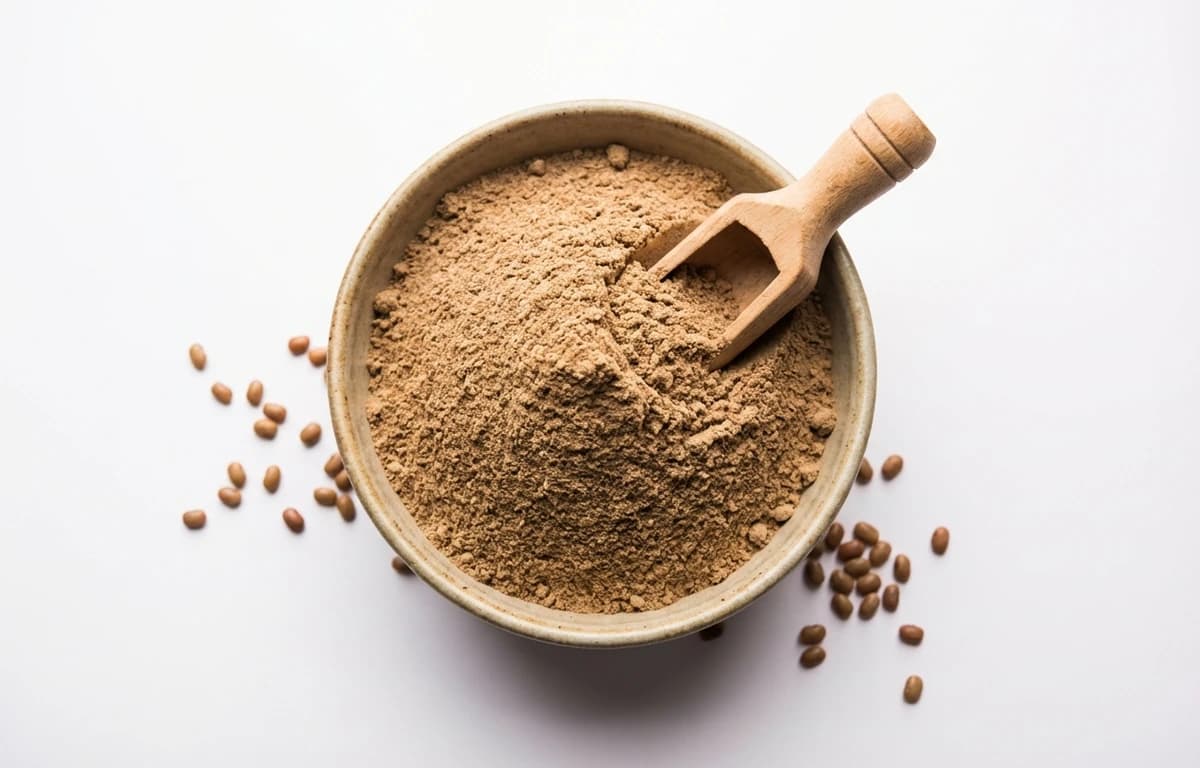
kulith peeth
Also known as: Horse Gram Flour
Loading...
Also known as: Horse Gram Flour
Per 100g
Nutrition data source: USDA FoodData Central
Yes, kulith peeth (horse gram flour) is highly nutritious. It's rich in protein, dietary fiber, iron, calcium, and molybdenum, offering benefits for digestion, bone health, and overall well-being. It also contains beneficial phenolic compounds with antioxidant properties.
Per 100g, kulith peeth provides approximately 321 calories, 22g of protein, 57g of carbohydrates, and only 0.5g of fat. It's an excellent source of plant-based protein and fiber, along with essential minerals like iron, calcium, and molybdenum.
Yes, kulith peeth can be beneficial for weight management. Its high protein and fiber content promotes satiety, helping you feel full for longer and potentially reducing overall calorie intake. This can support weight loss efforts when part of a balanced diet.
Yes, kulith peeth is generally considered suitable for diabetics. It has a low glycemic index, which helps in regulating blood sugar levels, and its high fiber content aids in slower glucose absorption, preventing sharp spikes.
Yes, kulith peeth is naturally gluten-free. It is made from horse gram, which is a legume, making it a safe and nutritious alternative for individuals with celiac disease or gluten sensitivity.
Kulith peeth is versatile and commonly used in traditional Indian cuisine. It's often prepared as 'kulith pithla' (a savory stew), 'thalipeeth' (a multi-grain flatbread), or incorporated into dosas, rotis, and soups as a thickening agent.
Kulith peeth has a distinct earthy, slightly nutty, and robust flavor. It's savory and wholesome, adding a unique depth to dishes that sets it apart from more common flours.
kulith peeth is a versatile ingredient found in cuisines around the world. With 321 calories per 100g and 22 grams of protein, it's a nutritious addition to many dishes.
Explore more ingredients in the grain category with complete nutrition information.
View all grain →Discover 0 recipes featuring kulith peeth with step-by-step instructions.
Browse recipes →To maintain its freshness and prevent spoilage, store kulith peeth in an airtight container in a cool, dry, and dark place. Keep it away from direct sunlight and moisture, which can degrade its quality.
Yes, in Ayurvedic medicine, horse gram (from which kulith peeth is made) is traditionally used for its diuretic properties, believed to help in managing kidney stones. It's also used to support respiratory health and regulate blood sugar.
No, kulith peeth is not considered keto-friendly. With approximately 57g of carbohydrates per 100g, its carbohydrate content is too high to fit within the strict daily carbohydrate limits of a ketogenic diet.