
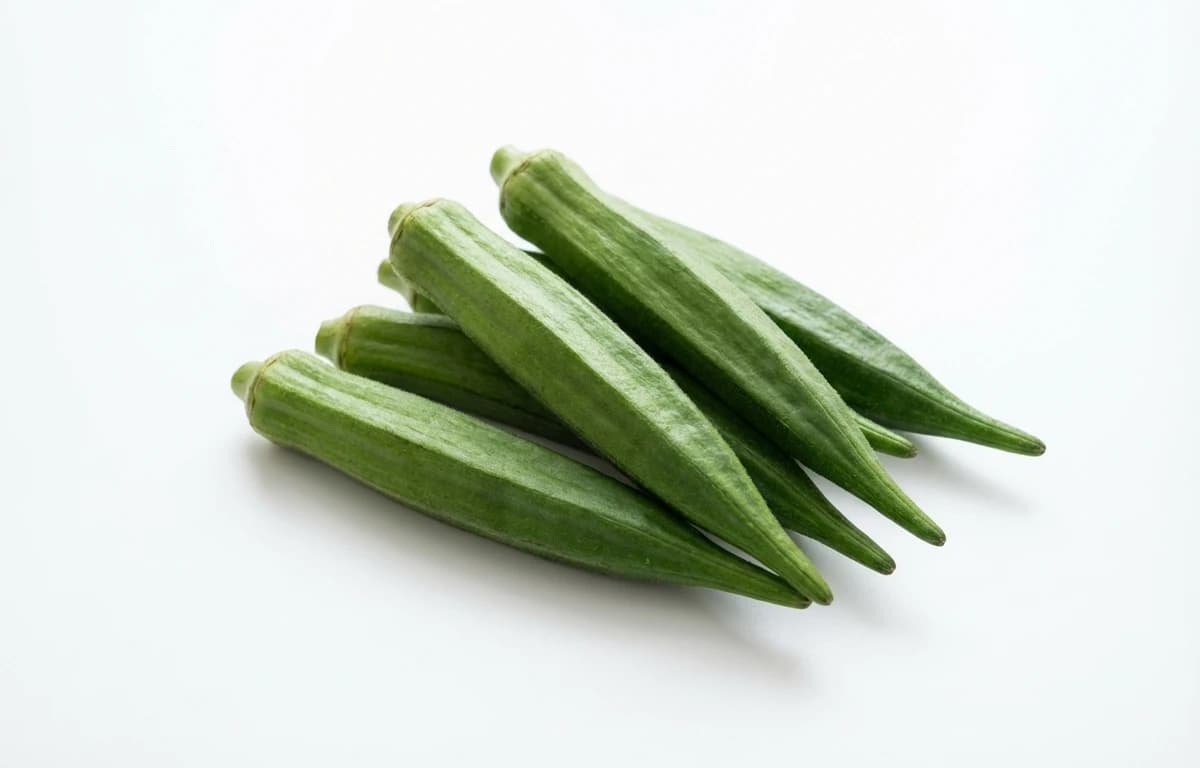
kunjulli
Also known as:
Loading...
Also known as:
Per 100g
Nutrition data source: USDA FoodData Central
Yes, kunjulli is very healthy. It's rich in antioxidants like quercetin and kaempferol, which help combat cellular damage. It also contains organosulfur compounds with antibacterial, antiviral, and anti-inflammatory properties, and may support heart health by improving circulation.
Per 100g, kunjulli provides approximately 72 calories, 2.5g of protein, 16.8g of carbohydrates, and only 0.1g of fat. It's also a good source of essential nutrients including Vitamin A, Vitamin C, potassium, and folate.
Kunjulli can be a beneficial addition to a weight loss diet. It is low in fat and provides a moderate amount of calories and carbohydrates, along with fiber and essential nutrients that can contribute to satiety and overall well-being.
Yes, as a natural vegetable, kunjulli is inherently both vegan and gluten-free. It is a suitable ingredient for individuals adhering to plant-based or gluten-free dietary restrictions.
With 16.8g of carbohydrates per 100g, kunjulli is not typically considered keto-friendly for strict ketogenic diets. However, it can be included in moderation for general low-carb diets, depending on individual daily carbohydrate limits.
Kunjulli is versatile and can be prepared in various ways. It can be boiled, steamed, stir-fried, roasted, or added to curries, stews, and soups. Its texture becomes tender when cooked, making it suitable for many dishes.
Kunjulli typically has a mild, slightly earthy, and subtly sweet flavor. Its taste is often compared to a cross between a potato and a turnip, with a firm texture that softens pleasantly upon cooking.
kunjulli is a versatile ingredient found in cuisines around the world. With 72 calories per 100g and 2.5 grams of protein, it's a nutritious addition to many dishes.
Explore more ingredients in the vegetable category with complete nutrition information.
View all vegetable →While some vegetables are consumed raw, kunjulli is generally recommended to be cooked. Cooking helps to soften its texture, enhance its flavor, and improve its digestibility, making it more palatable and easier for nutrient absorption.
Store fresh kunjulli in a cool, dry, and dark place, similar to how you would store potatoes or onions. If refrigerated, place it in a perforated plastic bag in the crisper drawer to maintain freshness for up to one to two weeks.
Fresh kunjulli should be firm to the touch, free of soft spots, mold, or significant blemishes. Avoid any pieces that feel mushy, have a strong unpleasant odor, or show signs of excessive shriveling or sprouting, as these indicate spoilage.