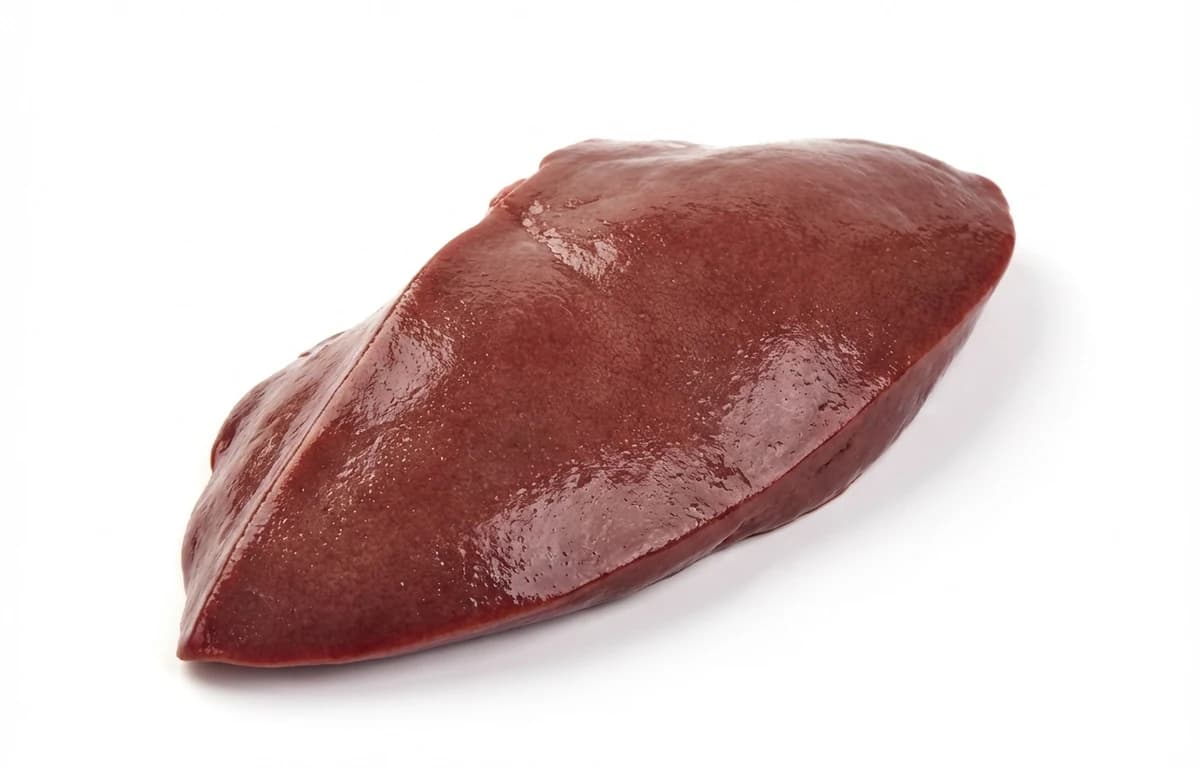
lamb liver
Also known as: lamb's liver
Loading...

Also known as: lamb's liver
Per 100g
Nutrition data source: USDA FoodData Central
Common measurement equivalents in grams
Yes, lamb liver is exceptionally healthy and considered a superfood due to its dense nutritional profile. It's packed with essential vitamins and minerals, making it one of the most nutrient-rich foods available. However, due to its high Vitamin A content, moderation is key, especially for certain populations.
Lamb liver is an outstanding source of Vitamin A, crucial for vision, immune function, and cell growth. It provides highly bioavailable heme iron, essential for preventing anemia, and is rich in B vitamins, particularly B12 and folate, vital for energy and nerve health. It also offers significant amounts of copper and zinc.
Per 100g, lamb liver contains approximately 139 calories, 20.4g of protein, 5g of fat, and 2.5g of carbohydrates. This makes it a high-protein, relatively low-calorie food, especially considering its nutrient density.
Yes, lamb liver is very keto-friendly. With only 2.5g of carbohydrates per 100g, it fits well within a ketogenic diet. It also provides a significant amount of protein and healthy fats, along with crucial micronutrients often lacking in restrictive diets.
Pregnant women should consume lamb liver with caution and in very limited amounts, or avoid it altogether. While rich in folate and iron, its extremely high Vitamin A content (retinol) can be harmful in large doses during pregnancy, potentially leading to birth defects. Consult a healthcare professional for personalized advice.
To ensure tender lamb liver, avoid overcooking it. A common method is to pan-fry thin slices quickly over medium-high heat for just 2-3 minutes per side until lightly browned but still slightly pink inside. Soaking the liver in milk or buttermilk for 30 minutes to an hour before cooking can also help tenderize it and reduce its strong flavor.
lamb liver is a versatile ingredient found in cuisines around the world. With 139 calories per 100g and 20.4 grams of protein, it's a nutritious addition to many dishes.
Explore more ingredients in the protein category with complete nutrition information.
View all protein →Lamb liver has a distinct, rich, and earthy flavor, often described as slightly metallic or gamey. It tends to be milder in taste compared to beef liver, making it a good entry point for those new to organ meats. Its texture is smooth and tender when cooked correctly.
Fresh lamb liver should be stored in the coldest part of your refrigerator, ideally in its original packaging or a sealed container, and consumed within 1-2 days. For longer storage, lamb liver can be frozen for up to 3-4 months. Wrap it tightly in plastic wrap and then in foil or place it in an airtight freezer bag to prevent freezer burn.
Yes, lamb liver is naturally gluten-free. As an unprocessed meat product, it does not contain any gluten. However, always check ingredients if purchasing pre-marinated or processed liver products, as additives might contain gluten.
Yes, lamb liver, like other organ meats, is high in dietary cholesterol. A 100g serving can contain around 300-400mg of cholesterol. While dietary cholesterol's impact on blood cholesterol levels is less significant for most healthy individuals than saturated and trans fats, those with specific health conditions should consult their doctor about consumption.