
Oil
lard and vegetable oil shortening.
VegetarianVeganGluten-freeDairy-freeNut-freePeanut-freeSoy-freeEgg-freeShellfish-freeHoney-freeAlcohol-freeHalalKosher
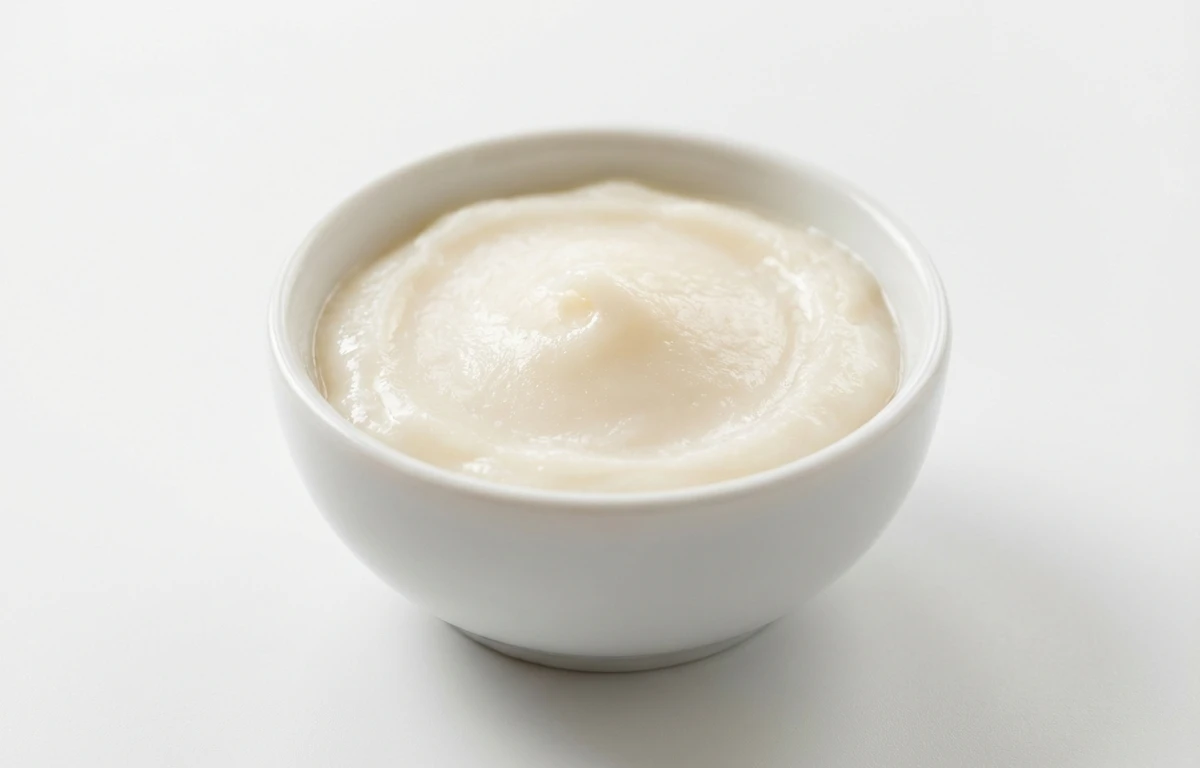
SERVING
CALORIES
900
PROTEIN
0g
CARBS
0g
FAT
100g
FIBER
0g
This ingredient is flagged as naturally gluten-free.
NUTRITION PROFILE · per 100 g
Everything in this ingredient.
MACRONUTRIENTS
Calories900kcal—
Protein0g0%
Carbohydrates0g0%
Fiber0g0%
Total fat100g128%
Saturated fat35.7g179%
Cholesterol56mg19%
Water0g—
MINERALS
Sodium0mg0%
Potassium0mg0%
Calcium0mg0%
Iron0mg0%
Magnesium0mg0%
Phosphorus0mg0%
Zinc0mg0%
Selenium0µg0%
VITAMINS
Vitamin A0µg0%
Vitamin C0mg0%
Vitamin E1.0mg7%
Thiamin (B1)0mg0%
Riboflavin (B2)0mg0%
Niacin (B3)0mg0%
Pantothenic acid (B5)0mg0%
Vitamin B60mg0%
Folate (B9)0µg0%
Vitamin B120µg0%
%DV based on a 2,000 cal diet. Source: USDA FoodData Central. A dash in the %DV column means there’s no established Daily Value for that nutrient.
MEASUREMENT CONVERSIONS
How much is what.
1 cup205g
1 tablespoon12.8g
1 teaspoon4.3g
1 ml0.9g
1 liter853.3g
HEALTH BENEFITS
Why eat it.
- ✓Provides a concentrated source of energy, as it is composed almost entirely of fat.
- ✓Contains oleic acid, a monounsaturated fat also found in olive oil, which can support cardiovascular health as part of a balanced diet.
COOKING TIPS
In the kitchen.
- 1Ideal for creating exceptionally flaky pie crusts, biscuits, and pastries due to its large fat crystals which create layers in the dough.
- 2Use for high-heat frying applications like making fried chicken or donuts, as it has a high smoke point (around 370°F or 188°C).
- 3When substituting for butter in baking recipes, use about 20% less shortening, as it is 100% fat whereas butter contains water and milk solids.
- 4Provides a rich, savory flavor that is distinct from all-vegetable shortenings, particularly in savory applications like refried beans or tamales.
STORAGE
Keep it fresh.
- Store in a cool, dark place like a pantry, tightly sealed, for up to 6 months. Avoid exposure to heat and light, which can cause rancidity.
- For long-term storage (up to one year), keep it in the refrigerator or freezer. Allow it to soften at room temperature before use for easier measuring and mixing.
FAQ
Frequently asked questions.
Is lard and vegetable oil shortening healthy?
Lard and vegetable oil shortening is a concentrated source of energy, primarily fat. While the lard component offers natural Vitamin D and oleic acid, it is very high in calories and saturated fat. It should be used in moderation as part of a balanced diet.
What are the nutritional facts for lard and vegetable oil shortening?
Per 100g, lard and vegetable oil shortening contains approximately 900 calories, 100g of fat, and 0g of protein or carbohydrates. It is a pure fat product, providing significant energy.
Is lard and vegetable oil shortening vegan?
No, lard and vegetable oil shortening is not vegan. Lard is rendered animal fat, typically from pigs, making this product unsuitable for a vegan diet.
Is lard and vegetable oil shortening gluten-free?
Yes, lard and vegetable oil shortening is typically gluten-free as it is composed solely of fats and contains no wheat, barley, or rye ingredients. However, always check the product label for specific certifications or potential cross-contamination warnings.
Is lard and vegetable oil shortening keto-friendly?
Yes, lard and vegetable oil shortening is keto-friendly. It is 100% fat with no carbohydrates or protein, making it suitable for a ketogenic diet where high fat intake is desired.
What is lard and vegetable oil shortening best used for in cooking?
It is excellent for baking, especially for creating flaky pie crusts, biscuits, and pastries due to its unique fat crystal structure. It's also suitable for deep-frying and pan-frying, providing a high smoke point and a neutral flavor.
What does lard and vegetable oil shortening taste like?
Lard and vegetable oil shortening generally has a neutral flavor, allowing the taste of the food it's cooked with to shine. It contributes to a rich mouthfeel and can create a very tender and flaky texture in baked goods.
How long does lard and vegetable oil shortening last?
When stored properly, an unopened package can last for several months to a year past its best-by date. Once opened and refrigerated, it typically remains fresh for about 6-12 months. Discard if it develops an off-odor, color, or flavor.



















