
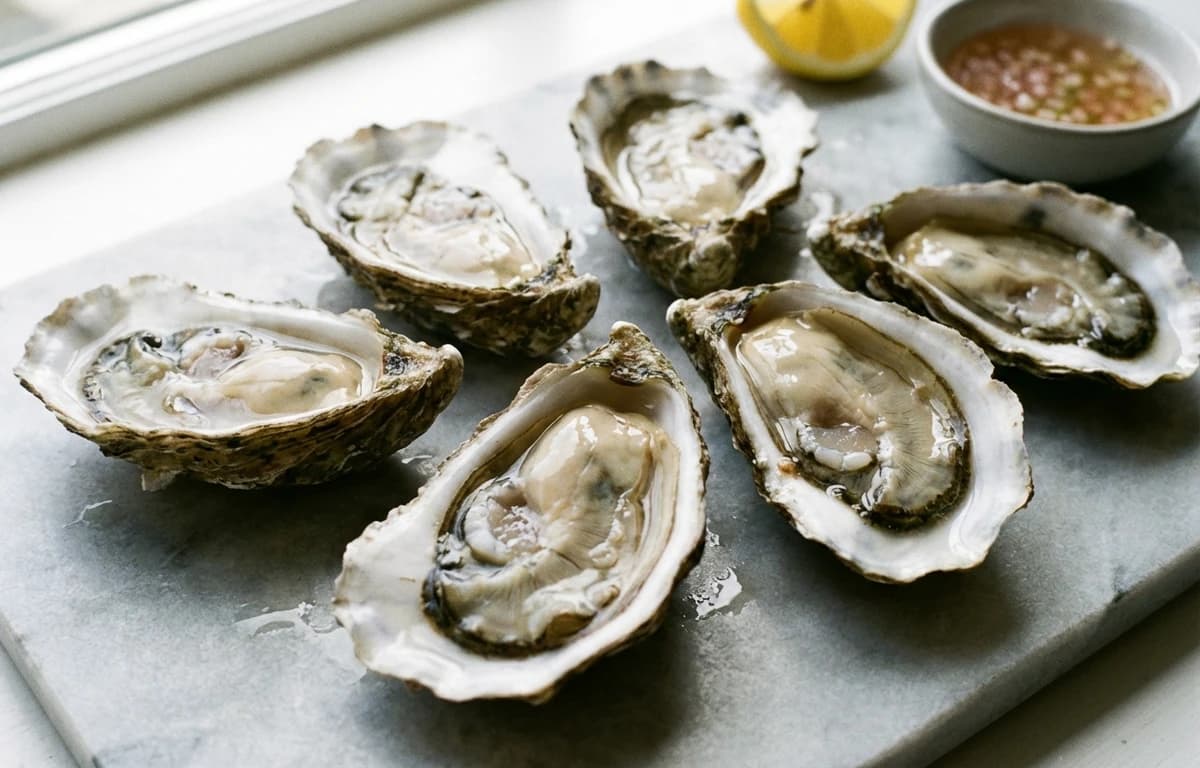
large oysters
Also known as:
Loading...
Also known as:
Per 100g
Nutrition data source: USDA FoodData Central
Common measurement equivalents in grams
Yes, large oysters are highly nutritious. They are an excellent source of essential minerals like zinc, iron, and selenium, and vitamins, particularly B12. Oysters also provide beneficial omega-3 fatty acids and high-quality protein, all while being relatively low in calories.
Oysters are exceptionally rich in zinc, vital for immune function, wound healing, and cell growth. They are also an excellent source of vitamin B12, crucial for nerve health and red blood cell formation, and provide heart-healthy omega-3 fatty acids. Additionally, they offer good amounts of protein, iron, copper, and selenium.
Per 100 grams, large oysters contain approximately 81 calories. They are a good source of protein, providing about 9.45 grams per 100 grams, making them a lean protein option.
Yes, oysters are naturally gluten-free, making them suitable for individuals with celiac disease or gluten sensitivity. With only about 4.95 grams of carbohydrates per 100 grams, they can also be considered keto-friendly when consumed in moderation as part of a low-carb diet.
Raw oysters are not recommended for pregnant women, young children, the elderly, or individuals with weakened immune systems due to the risk of bacterial or viral contamination. For these groups, oysters should always be thoroughly cooked to ensure safety.
First, oysters need to be shucked, which involves opening the shell with an oyster knife. Once shucked, they can be enjoyed raw with lemon or hot sauce, or cooked. Common cooking methods include grilling, baking (often with toppings), frying, or steaming until the edges curl.
large oysters is a versatile ingredient found in cuisines around the world. With 81 calories per 100g and 9.45 grams of protein, it's a nutritious addition to many dishes.
Explore more ingredients in the other category with complete nutrition information.
View all other →Discover 0 recipes featuring large oysters with step-by-step instructions.
Browse recipes →The taste of large oysters can vary depending on their origin, but generally, they offer a briny, fresh, and slightly sweet flavor with a creamy, sometimes metallic finish. They often have a distinct 'taste of the sea' and can range from mild to intensely mineral.
Fresh, live oysters should be stored in the refrigerator, ideally at 35-40°F (1-4°C). Place them flat side up in a bowl or on a tray, covered with a damp cloth or paper towel, and never in airtight containers or submerged in water, as they need to breathe.
A fresh, safe oyster will have a tightly closed shell. If the shell is open, tap it; it should snap shut. They should also have a clean, briny smell, not a strong or fishy odor. Discard any oysters with cracked shells or those that don't close.
Yes, large oysters are commonly enjoyed raw, especially when very fresh and properly handled. However, consuming raw oysters carries a risk of foodborne illness from bacteria or viruses. Always source them from reputable suppliers and consider your personal health risks before eating them raw.