
Loading...
Per 100g
Nutrition data source: USDA FoodData Central
Common measurement equivalents in grams
Yes, large tomatoes are highly nutritious, providing significant amounts of Vitamin C for immunity and Vitamin K for bone health. They are also rich in lycopene, a powerful antioxidant that helps protect cells from damage and supports heart health.
Large tomatoes are very low in calories, containing about 18 calories per 100g. They have approximately 3.89g of carbohydrates and 1.2g of fiber, making them a nutrient-dense, low-energy food choice for most diets.
Absolutely. Their high water content and fiber help you feel full while consuming very few calories. They add volume and flavor to meals without adding significant fat or sugar, making them an ideal weight-loss food.
Yes, tomatoes can be included in a keto diet in moderation. With only about 3.9g of total carbs per 100g (and roughly 2.7g net carbs), they are low enough to fit into most daily carb limits when portioned correctly.
Yes, large tomatoes are a natural plant-based food. They are 100% vegan and naturally gluten-free, making them safe for individuals with celiac disease or those following a plant-based lifestyle.
Large tomatoes are versatile; they are excellent sliced for sandwiches, diced for fresh salsas, or roasted to concentrate their sweetness. Cooking them actually increases the bioavailability of lycopene, making them even healthier when heated.
It is best to store ripe tomatoes at room temperature away from direct sunlight to preserve their flavor and texture. Refrigeration can make the flesh mealy and dull the flavor, though it can extend the life of very overripe tomatoes for a short period.
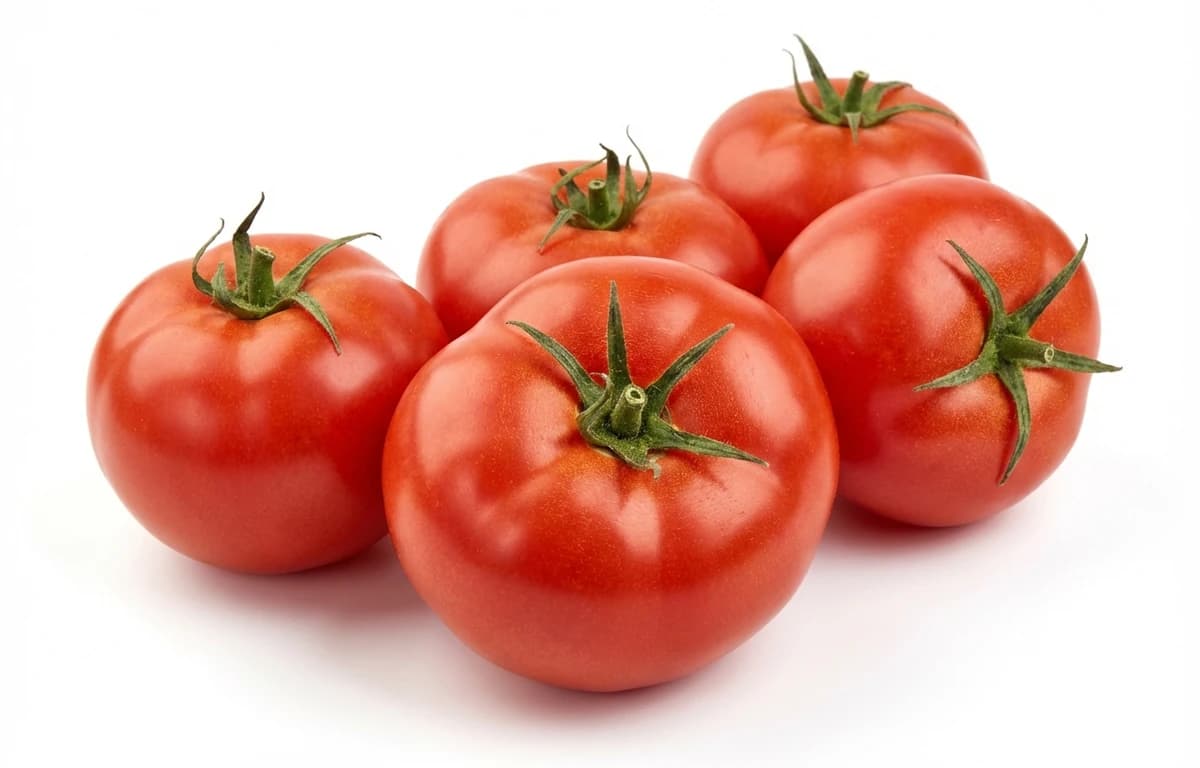
Large Tomatoes is a versatile ingredient found in cuisines around the world. With 18 calories per 100g and 0.88 grams of protein, it's a nutritious addition to many dishes.
Explore more ingredients in the fruit category with complete nutrition information.
View all fruit →Discover 1 recipes featuring large tomatoes with step-by-step instructions.
Browse recipes →Look for tomatoes that are heavy for their size and have a deep, uniform color. They should be firm but give slightly to gentle pressure and have a fragrant, earthy aroma near the stem end.
No, the skin and seeds are perfectly edible and contain much of the tomato's fiber and antioxidants. However, some recipes for smooth sauces or soups may suggest peeling or seeding them for a more refined, uniform texture.
Lycopene is a potent antioxidant responsible for the red color of tomatoes. It has been linked to a reduced risk of certain cancers and improved heart health by helping to regulate blood pressure and protect against oxidative stress.