
Other
lasoda.
VegetarianVeganGluten-freeDairy-freeNut-freePeanut-freeSoy-freeEgg-freeShellfish-freeHoney-freeAlcohol-free
ALSO KNOWN AS
gundaglue berryindian cherrycordia dichotomanisorabokharbird lime tree fruitshlesmataka
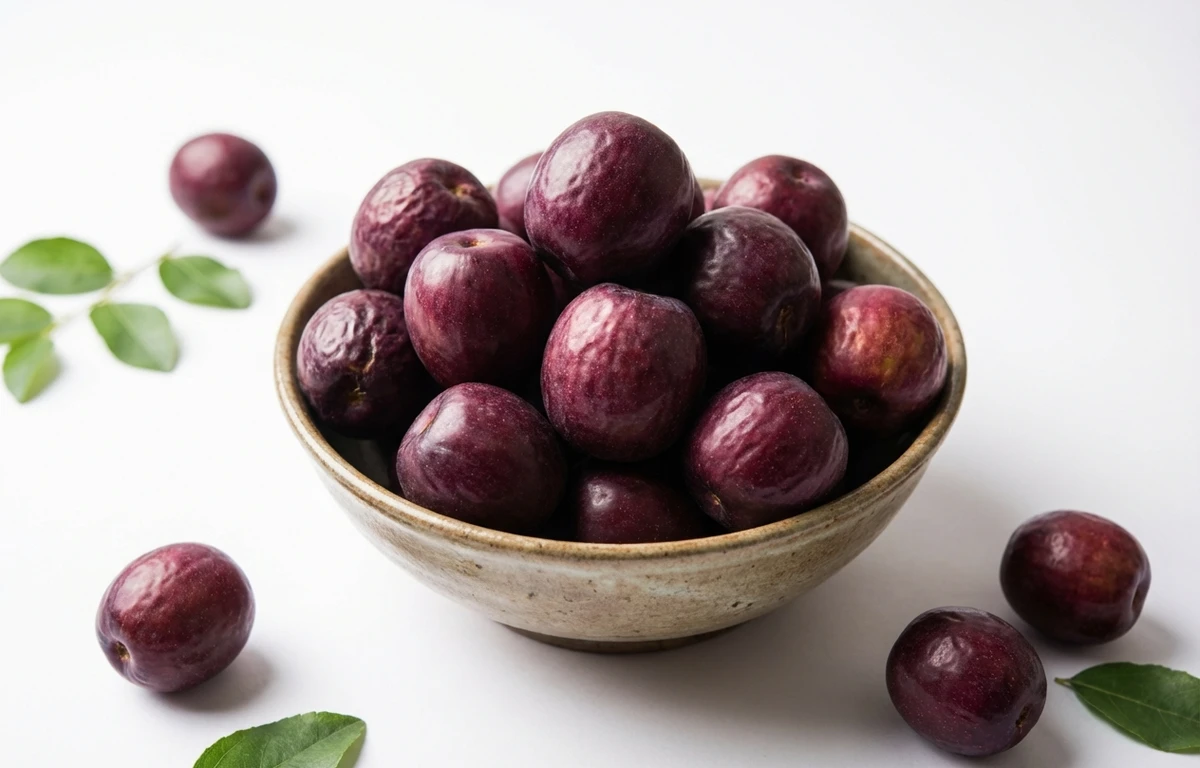
SERVING
CALORIES
72
PROTEIN
1.5g
CARBS
16g
FAT
0.40g
FIBER
3.5g
This ingredient is flagged as naturally gluten-free. Per 100 g, it provides 5.0 µg of vitamin K.
NUTRITION PROFILE · per 100 g
Everything in this ingredient.
MACRONUTRIENTS
Calories72kcal—
Protein1.5g3%
Carbohydrates16g6%
Fiber3.5g13%
Sugar8.0g16%
Total fat0.40g1%
Saturated fat0.10g1%
Trans fat0g—
Cholesterol0mg0%
Water78g—
MINERALS
Sodium15mg1%
Potassium280mg6%
Calcium45mg3%
Iron1.2mg7%
Magnesium22mg5%
Phosphorus30mg2%
Zinc0.30mg3%
Copper0.10mg11%
Manganese0.20mg9%
Selenium0.50µg1%
VITAMINS
Vitamin A15µg2%
Vitamin C18mg20%
Vitamin D0µg0%
Vitamin E0.80mg5%
Vitamin K5.0µg4%
Thiamin (B1)0.04mg3%
Riboflavin (B2)0.06mg5%
Niacin (B3)0.50mg3%
Pantothenic acid (B5)0.20mg4%
Vitamin B60.10mg6%
Folate (B9)12µg3%
Vitamin B120µg0%
%DV based on a 2,000 cal diet. Source: USDA FoodData Central. A dash in the %DV column means there’s no established Daily Value for that nutrient.
MEASUREMENT CONVERSIONS
How much is what.
1 cup156g
1 tablespoon9.8g
1 teaspoon3.3g
1 oz28.4g
1 lb453.6g
1 ml0.7g
1 liter650g
1 piece8g
HEALTH BENEFITS
Why eat it.
- ✓Supports respiratory health and acts as a natural expectorant for coughs
- ✓Aids in digestive health and helps manage stomach ulcers
- ✓Traditionally used in Ayurveda to help regulate blood pressure
COOKING TIPS
In the kitchen.
- 1To remove the sticky internal mucilage, rub your hands and the fruit with salt or oil
- 2Blanch the fruit in boiling water for 2-3 minutes before stir-frying to reduce sliminess
- 3Commonly stuffed with a mix of fennel, turmeric, and mustard seeds for traditional pickles
STORAGE
Keep it fresh.
- Store fresh lasoda in a cool, dry place for 2-3 days
- Refrigerate in a perforated paper bag to extend freshness for up to 7 days
- Pickled lasoda should be kept in airtight glass jars submerged in oil for long-term storage
FAQ
Frequently asked questions.
How long does fresh lasoda last?
Fresh lasoda has a short shelf life of about 2-3 days at room temperature and up to a week if refrigerated properly.
How do I pick the best lasoda at the market?
Look for firm, bright green fruits without any dark spots, blemishes, or soft patches. They should feel heavy for their size.
What can I use as a substitute for lasoda in recipes?
For pickling, raw mango or green olives can provide a similar texture and tartness, though the unique stickiness will be missing.
Can lasoda be eaten raw?
While technically edible when ripe (turning yellowish-brown), it is most commonly consumed in its green, raw state after being pickled or cooked.
Can I freeze lasoda?
Yes, you can freeze lasoda. It is best to blanch them first, remove the seeds, and then store them in an airtight freezer bag for up to 3 months.
What are the most common dishes made with lasoda?
The most popular dish is 'Gunda nu Athanu' (Gujarati pickle). It is also used in Rajasthani 'Gunda Ki Sabzi' with spicy masala.



















