spice
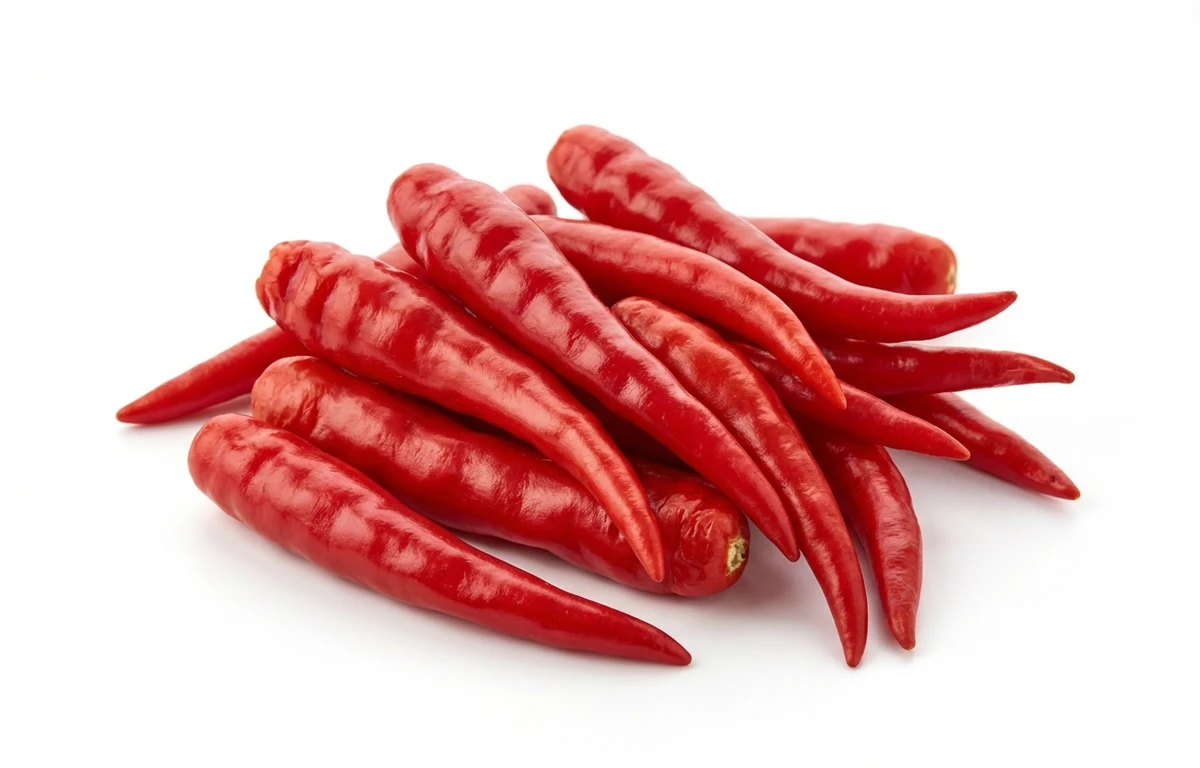
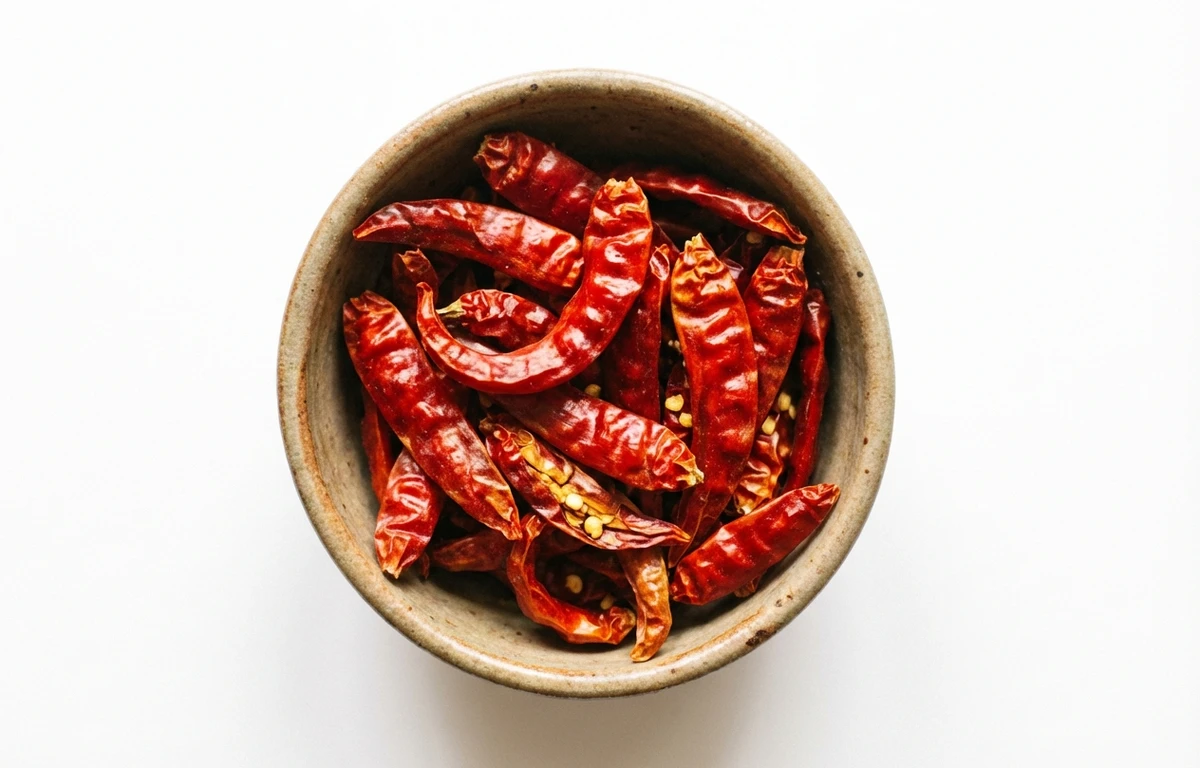
Lavangi Red Chilies.
VegetarianVeganGluten-freeDairy-freeNut-freePeanut-freeSoy-freeEgg-freeShellfish-freeHoney-freeAlcohol-free
ALSO KNOWN AS
Lavangi MirchiKolhapuri Lavangi MirchiSmall Hot Red ChiliesDried Lavangi Chili
SERVING
CALORIES
324
PROTEIN
10.6g
CARBS
69.9g
FAT
5.8g
FIBER
28.7g
NUTRITION PROFILE · per 100 g
Everything in this ingredient.
MACRONUTRIENTS
Calories324kcal—
Protein10.6g21%
Carbohydrates69.9g25%
Fiber28.7g102%
Sugar10.3g21%
Total fat5.8g7%
Saturated fat0.40g2%
Trans fat0g—
Cholesterol0mg0%
Water10.8g—
MINERALS
Sodium30mg1%
Potassium1870mg40%
Calcium148mg11%
Iron7.8mg43%
Magnesium152mg36%
Phosphorus159mg13%
Zinc2.5mg23%
Copper0.40mg44%
Manganese1.1mg48%
Selenium2.0µg4%
VITAMINS
Vitamin A1300µg144%
Vitamin C0.70mg1%
Vitamin D0µg0%
Vitamin E0.70mg5%
Vitamin K14µg12%
Thiamin (B1)0.30mg25%
Riboflavin (B2)0.90mg69%
Niacin (B3)8.7mg54%
Pantothenic acid (B5)2.0mg40%
Vitamin B62.1mg124%
Folate (B9)52µg13%
Vitamin B120µg0%
%DV based on a 2,000 cal diet. Source: USDA FoodData Central. A dash in the %DV column means there’s no established Daily Value for that nutrient.
MEASUREMENT CONVERSIONS
How much is what.
1 cup120g
1 tablespoon7.5g
1 teaspoon2.5g
1 oz28.4g
1 lb453.6g
1 ml1g
1 liter1000g
1 piece0.5g
HEALTH BENEFITS
Why eat it.
- ✓Boosts metabolism through capsaicin content
- ✓Contains anti-inflammatory properties
- ✓Rich in antioxidants that fight oxidative stress
- ✓Helps in clearing nasal congestion
- ✓May aid in pain relief and endorphin release
COOKING TIPS
In the kitchen.
- 1Use sparingly as Lavangi chilies are significantly hotter than standard red chilies
- 2Temper in hot oil (tadka) to release the full flavor and heat
- 3Remove seeds before grinding if you want to reduce the heat intensity slightly
STORAGE
Keep it fresh.
- Store in an airtight container in a cool, dark, and dry place
- Keep away from moisture to prevent mold growth
- Can be refrigerated in a sealed bag to extend shelf life up to a year
FAQ
Frequently asked questions.
How spicy are Lavangi Red Chilies?
Lavangi chilies are very spicy, typically ranging between 50,000 to 100,000 Scoville Heat Units (SHU), making them much hotter than standard Kashmiri chilies.
What is the best way to store dried Lavangi chilies?
The best way is in an airtight glass jar kept in a cool, dry pantry. Moisture is the enemy of dried chilies.
Can I substitute Lavangi chilies with Kashmiri chilies?
Not directly. Kashmiri chilies are mild and used for color, while Lavangi are used for intense heat. If substituting, use much less Lavangi or add Bird's Eye chilies for heat.
How do I identify quality Lavangi chilies?
Look for chilies that are small, deep red, and have a shiny, unwrinkled skin. They should feel crisp and snap easily when bent.
Do I need to wash dried Lavangi chilies before use?
Generally, no. You can wipe them with a dry cloth. If you must wash them, do it quickly and pat them completely dry before adding to oil.
What are common dishes that use Lavangi chilies?
They are a staple in Maharashtrian cuisine, specifically in Kolhapuri masalas, spicy rassa, and various fiery chutneys.
Can I freeze dried Lavangi chilies?
Yes, you can freeze them in a vacuum-sealed bag to maintain their potency for up to 2 years, though it is usually unnecessary if kept dry.
Are Lavangi chilies the same as Bird's Eye chilies?
They are similar in size and heat level, but Lavangi is a specific variety native to India, particularly the Kolhapur region.
How can I reduce the heat of Lavangi chilies in a dish?
You can remove the seeds and internal membranes before cooking, or add dairy (like yogurt or cream) or sugar to the final dish to balance the spice.