
Loading...
Per 100g
Nutrition data source: USDA FoodData Central
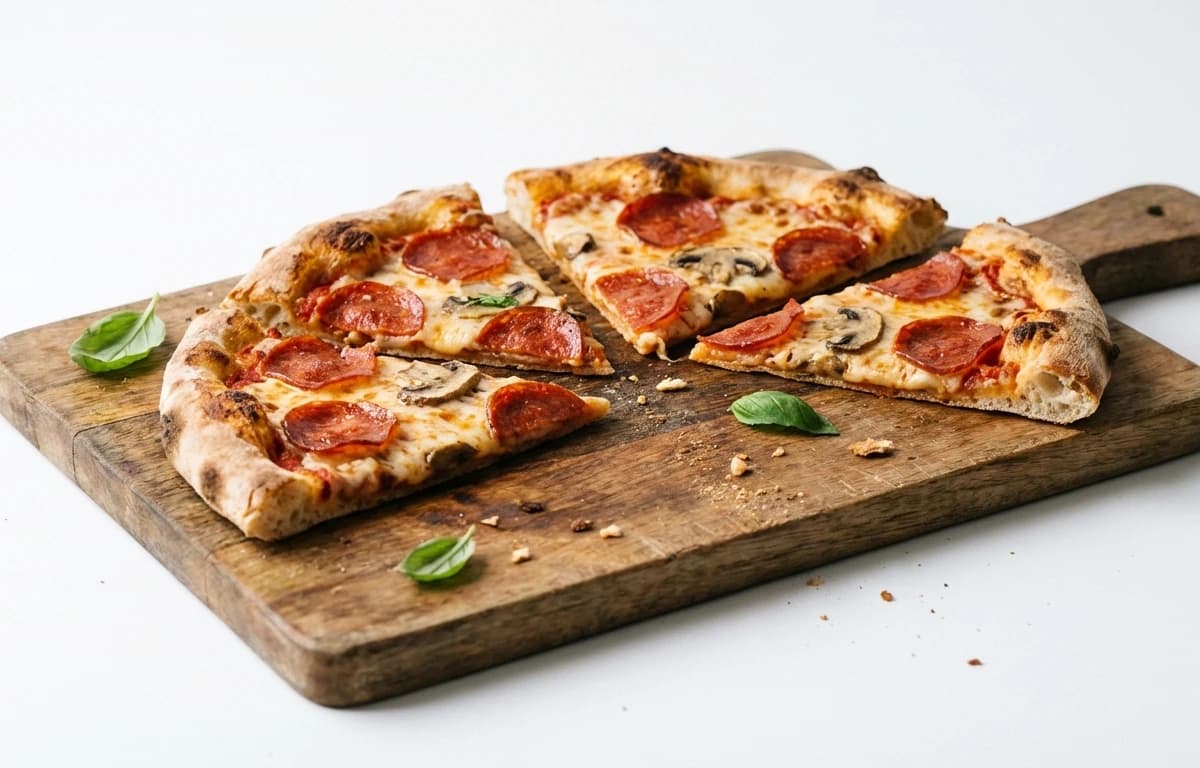
Leftover pizza can offer some nutritional benefits, such as lycopene from tomato sauce and calcium from cheese, along with protein and carbohydrates. However, its overall healthfulness depends heavily on the toppings and crust, as it can be high in calories, saturated fat, and sodium. Enjoying it in moderation is key.
Per 100g, leftover pizza typically contains around 285 calories and 12.1g of protein. These values can fluctuate significantly based on the specific ingredients, such as the type of crust, amount of cheese, and various toppings used.
Due to its relatively high calorie and fat content, leftover pizza is generally not considered ideal for weight loss if consumed frequently or in large portions. For those managing weight, portion control and choosing pizzas with lighter toppings and thinner crusts are important considerations.
Most traditional leftover pizza is not gluten-free because the crust is typically made from wheat flour. However, if the original pizza was specifically prepared with a certified gluten-free crust and all gluten-free toppings, then the leftovers would also be gluten-free.
Generally, no, leftover pizza is not vegan as most pizzas contain dairy cheese and often meat toppings. A leftover pizza would only be vegan if it was originally made with a plant-based crust, vegan cheese, and exclusively plant-based toppings.
For a crispy crust, reheat pizza in a skillet over medium heat for a few minutes until the bottom is crisp. Then, add a few drops of water to the pan and cover it for a minute or two to steam the cheese and toppings. A toaster oven or conventional oven at 350°F (175°C) for 5-10 minutes also works well.
leftover pizza is a versatile ingredient found in cuisines around the world. With 285 calories per 100g and 12.1 grams of protein, it's a nutritious addition to many dishes.
Explore more ingredients in the prepared category with complete nutrition information.
View all prepared →Discover 1 recipes featuring leftover pizza with step-by-step instructions.
Browse recipes →To store leftover pizza safely, place it in an airtight container or wrap individual slices tightly in plastic wrap or aluminum foil. It's crucial to refrigerate the pizza within two hours of cooking to prevent the growth of harmful bacteria.
When properly stored in an airtight container or tightly wrapped in the refrigerator, leftover pizza is generally safe to eat for 3 to 4 days. Beyond this timeframe, the risk of foodborne illness increases, even if it appears and smells fine.
Yes, you can freeze leftover pizza. For best quality, wrap individual slices tightly in plastic wrap, then in aluminum foil, or place them in a freezer-safe bag. Frozen pizza can maintain good quality for 1-2 months.
Diabetics can eat leftover pizza, but careful portion control is essential due to its carbohydrate content from the crust and potential added sugars in the sauce. Opting for thin-crust pizzas with plenty of vegetable toppings and monitoring blood sugar levels can help manage its impact.