
Loading...
Per 100g
Nutrition data source: USDA FoodData Central
Common measurement equivalents in grams
Yes, lemongrass paste is a healthy addition to your diet. It contains antioxidants that fight free radicals, offers anti-inflammatory properties, and is traditionally used to aid digestion and relieve bloating.
Per 100g, lemongrass paste contains approximately 130 calories, 28g of carbohydrates, 2g of protein, and 2.5g of fat. Because it is highly concentrated, a typical serving size is small and contributes very few calories to a meal.
Generally, lemongrass paste is both vegan and gluten-free as it is made from the lemongrass herb, oil, and salt. However, you should always check the label for potential additives or thickeners that may contain gluten or animal-derived ingredients.
Yes, lemongrass paste can be used on a keto diet. Although it contains 28g of carbs per 100g, the amount used in a single serving (usually a teaspoon or two) is very low, making its impact on your daily carb count negligible.
Lemongrass paste is incredibly versatile and can be stirred directly into soups, curries, and stir-fries. It also works well as a base for marinades for poultry or seafood, and can be whisked into salad dressings for a bright, citrusy flavor.
It has a complex, aromatic flavor profile that is bright and citrusy with subtle notes of ginger and mint. It provides the refreshing scent of lemon without the intense acidity of lemon juice.
As a general rule, one tablespoon of lemongrass paste is equivalent to one fresh stalk of lemongrass. The paste is a convenient substitute as it saves time on the peeling and fine chopping required for fresh stalks.
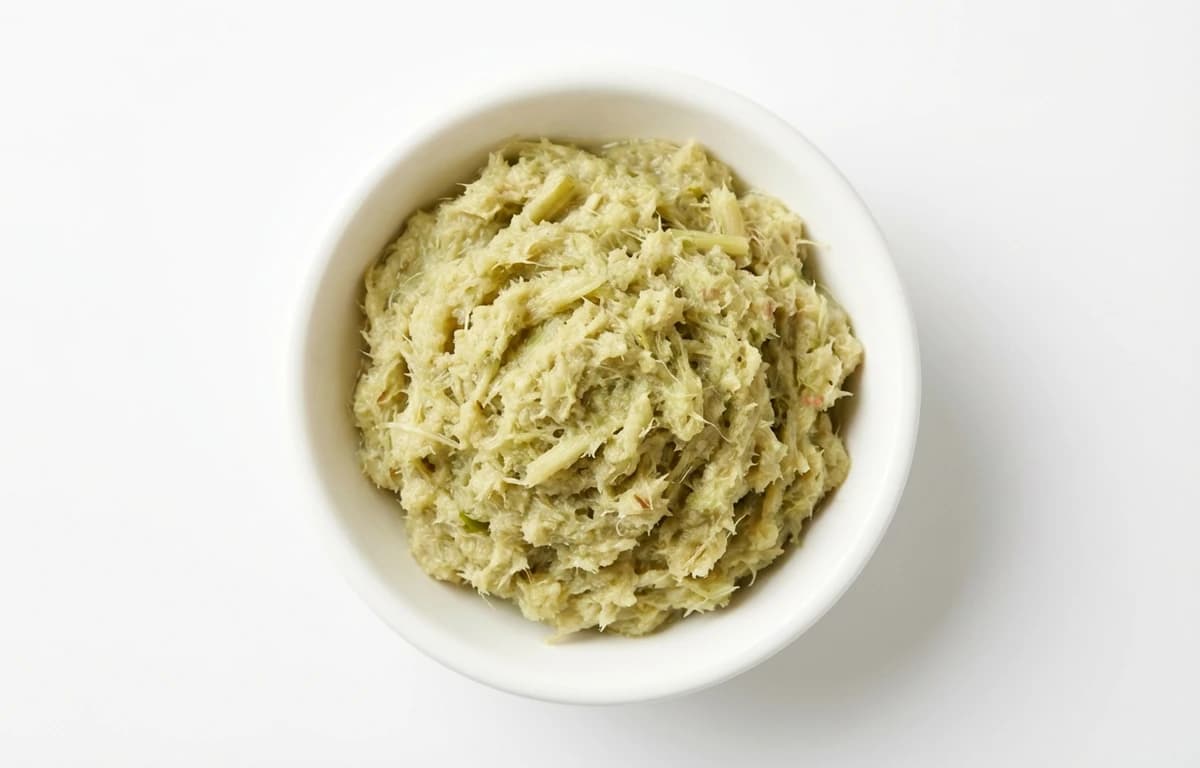
Lemongrass Paste is a versatile ingredient found in cuisines around the world. With 130 calories per 100g and 2 grams of protein, it's a nutritious addition to many dishes.
Explore more ingredients in the herb_product category with complete nutrition information.
View all herb_product →Discover 1 recipes featuring lemongrass paste with step-by-step instructions.
Browse recipes →Once opened, lemongrass paste should be stored in the refrigerator. Most commercial pastes will last for several weeks to a few months after opening; always refer to the 'best before' date on the packaging for safety.
Yes, you can freeze lemongrass paste to extend its shelf life. A helpful tip is to freeze it in ice cube trays in one-tablespoon portions, then transfer the frozen cubes to a freezer bag for easy use in future recipes.
Yes, lemongrass is known for its calming and stress-reducing effects. Incorporating the paste into warm dishes or teas can provide a soothing aromatic experience that may help with relaxation.