Vegetable10 recipes
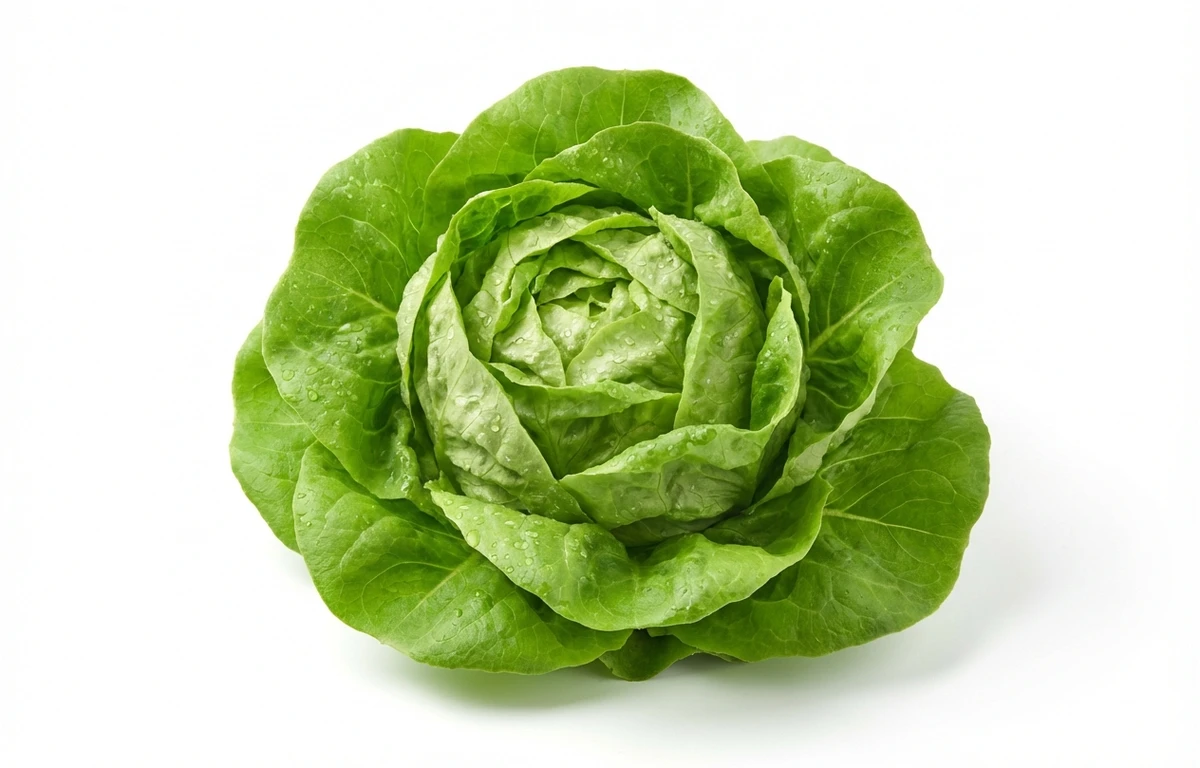
lettuce.
VegetarianVeganGluten-freeDairy-freeNut-freePeanut-freeSoy-freeEgg-freeShellfish-freeHoney-freeAlcohol-free
ALSO KNOWN AS
lettucesalad leavesleaf lettucesalad greenssalad pattalechugalettuce leaves
SERVING
CALORIES
15
PROTEIN
1.1g
CARBS
2.3g
FAT
0.15g
FIBER
1.3g
NUTRITION PROFILE · per 100 g
Everything in this ingredient.
MACRONUTRIENTS
Calories15kcal—
Protein1.1g2%
Carbohydrates2.3g1%
Fiber1.3g5%
Sugar0.80g2%
Total fat0.15g0%
Saturated fat0.02g0%
Trans fat0g—
Cholesterol0mg0%
Water95.5g—
MINERALS
Sodium10mg0%
Potassium194mg4%
Calcium33mg3%
Iron0.86mg5%
Magnesium13mg3%
Phosphorus29mg2%
Zinc0.18mg2%
Copper0.03mg3%
Manganese0.12mg5%
Selenium0.10µg0%
VITAMINS
Vitamin A150µg17%
Vitamin C9.2mg10%
Vitamin D0µg0%
Vitamin E0.22mg1%
Vitamin K70µg58%
Thiamin (B1)0.07mg6%
Riboflavin (B2)0.08mg6%
Niacin (B3)0.37mg2%
Pantothenic acid (B5)0.13mg3%
Vitamin B60.09mg5%
Biotin (B7)2.1µg7%
Folate (B9)38µg10%
Vitamin B120µg0%
%DV based on a 2,000 cal diet. Source: USDA FoodData Central. A dash in the %DV column means there’s no established Daily Value for that nutrient.
MEASUREMENT CONVERSIONS
How much is what.
1 cup36g
1 oz28.4g
1 lb453.6g
1 piece15g
HEALTH BENEFITS
Why eat it.
- ✓High water content aids in maintaining hydration
- ✓Extremely low calorie density supports weight management
- ✓Provides Vitamin K which is essential for bone health
- ✓Contains antioxidants like beta-carotene and vitamin C
- ✓Dietary fiber promotes healthy digestion and regularity
COOKING TIPS
In the kitchen.
- 1Always use cold water for washing to keep the leaves crisp
- 2Use a salad spinner to remove excess moisture so dressings adhere better
- 3Tear leaves by hand instead of cutting with a metal knife to prevent edge browning
STORAGE
Keep it fresh.
- Store in the refrigerator crisper drawer in a perforated plastic bag
- Keep away from ethylene-producing fruits like apples and bananas to prevent spoilage
- Wash and thoroughly dry leaves before storing to maintain crispness
FAQ
Frequently asked questions.
How long does lettuce last in the fridge?
Most lettuce varieties last between 7 to 10 days when stored properly in the crisper drawer.
Can you freeze lettuce?
No, lettuce has a very high water content; freezing destroys its cell structure, making it mushy and unappealing upon thawing.
How do I pick the best lettuce at the store?
Look for heads that feel heavy for their size with crisp, vibrant leaves. Avoid any with brown spots, wilting, or slimy edges.
What is the best substitute for lettuce in a salad?
Fresh spinach, arugula, kale, or shredded cabbage are excellent nutrient-dense alternatives.
Why does my lettuce taste bitter?
Bitterness is usually caused by the plant being harvested too late, exposure to high temperatures during growth, or being stored for too long.
Is it necessary to wash pre-washed bagged lettuce?
While labeled 'ready-to-eat', a quick rinse can provide extra safety against potential bacterial contamination, though it is not strictly required.
How do I revive wilted lettuce?
Submerge the leaves in a bowl of ice-cold water for 15-30 minutes to rehydrate the cells and restore crunch.
Which part of the lettuce is the most nutritious?
Generally, the darker green outer leaves contain higher concentrations of vitamins and minerals than the pale inner leaves.
RECIPES
Cook with lettuce.
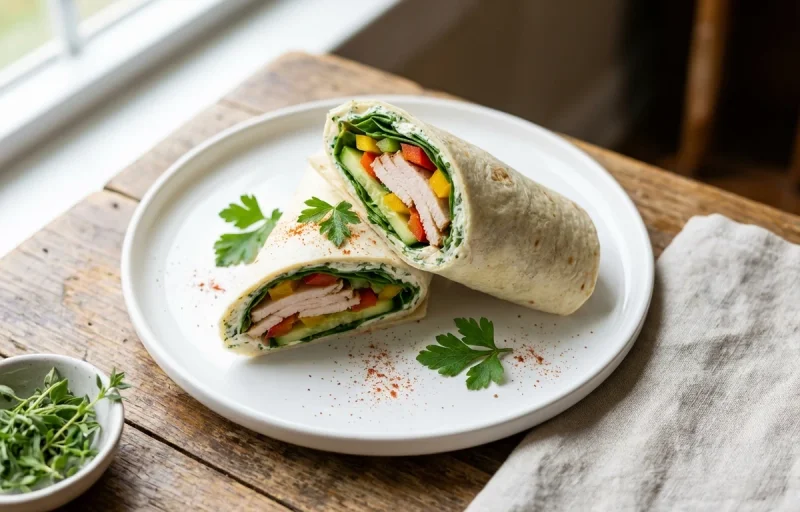
10 recipes · sorted by what’s quick