
Other
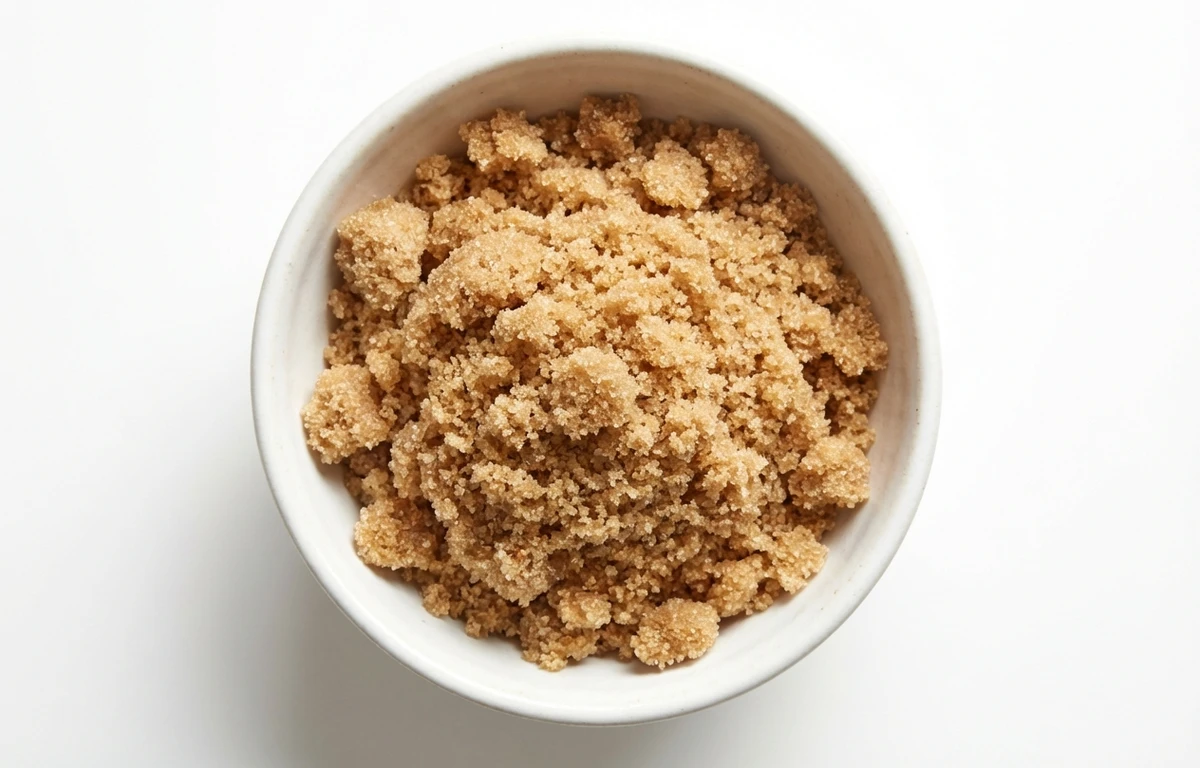
light brown sugar.
VegetarianVeganGluten-freeDairy-freeNut-freePeanut-freeSoy-freeEgg-freeShellfish-freeHoney-freeAlcohol-free
ALSO KNOWN AS
golden brown sugar
SERVING
CALORIES
380
PROTEIN
0.12g
CARBS
97.3g
FAT
0.06g
FIBER
0g
This ingredient is flagged as naturally gluten-free. Per 100 g, it provides 1.0 µg of vitamin K.
NUTRITION PROFILE · per 100 g
Everything in this ingredient.
MACRONUTRIENTS
Calories380kcal—
Protein0.12g0%
Carbohydrates97.3g35%
Fiber0g0%
Sugar96.2g192%
Total fat0.06g0%
Saturated fat0.03g0%
Cholesterol0mg0%
Water1.7g—
MINERALS
Sodium28mg1%
Potassium133mg3%
Calcium85mg7%
Iron0.68mg4%
Magnesium9.0mg2%
Phosphorus4.0mg0%
Zinc0.03mg0%
VITAMINS
Vitamin A0µg0%
Vitamin C0mg0%
Vitamin D0µg0%
Vitamin K1.0µg1%
Thiamin (B1)2.0mg167%
Riboflavin (B2)0.01mg1%
Niacin (B3)0.11mg1%
Vitamin B60.04mg2%
%DV based on a 2,000 cal diet. Source: USDA FoodData Central. A dash in the %DV column means there’s no established Daily Value for that nutrient.
MEASUREMENT CONVERSIONS
How much is what.
1 cup220g
1 tablespoon12.8g
1 teaspoon4g
1 ml0.9g
1 liter850g
HEALTH BENEFITS
Why eat it.
- ✓Provides a quick source of simple carbohydrate energy.
- ✓Contains trace amounts of minerals like calcium, potassium, and iron from its molasses content.
COOKING TIPS
In the kitchen.
- 1When measuring, pack it firmly into the measuring cup to ensure accuracy.
- 2Use in baking to add moisture and a chewy texture to cookies, cakes, and quick breads.
- 3Its caramel-like flavor is excellent for making glazes for meats, marinades, and sauces like barbecue sauce.
- 4Dissolve in hot water or milk to create simple syrups for beverages or desserts.
STORAGE
Keep it fresh.
- Store in an airtight container at room temperature to prevent moisture loss and hardening.
- To soften hardened brown sugar, place a slice of bread, an apple wedge, or a terracotta sugar saver in the container for 24-48 hours.
- Avoid storing in the refrigerator, as the cold environment can cause it to harden.
FAQ
Frequently asked questions.
Is light brown sugar healthy?
Light brown sugar is primarily a source of simple carbohydrates, providing quick energy. While it contains trace minerals like calcium, potassium, and iron from molasses, these amounts are minimal and do not contribute significantly to daily nutritional needs. It's best consumed in moderation as part of a balanced diet due to its high sugar content.
How many calories and carbohydrates are in light brown sugar?
Per 100 grams, light brown sugar contains approximately 380 calories and 97.3 grams of carbohydrates. It provides a concentrated source of energy but offers very little protein or fat.
Is light brown sugar better for you than white sugar?
Nutritionally, light brown sugar is very similar to white sugar. It contains slightly more molasses, which provides trace minerals and a subtle flavor difference, but the caloric and carbohydrate content is almost identical. Neither is significantly 'healthier' than the other; both should be consumed in moderation.
Is light brown sugar vegan?
Light brown sugar is generally considered vegan. Unlike some white sugars that may be processed with bone char, brown sugar typically gets its color and flavor from molasses, which is a plant-derived product. However, it's always best to check the specific brand if you have strict vegan dietary requirements.
What does light brown sugar taste like and what is it used for?
Light brown sugar has a moist texture and a mild caramel or toffee-like flavor due to its molasses content. It's widely used in baking for cookies, cakes, and muffins, as well as in sauces, glazes, and rubs for its distinct flavor and ability to add moisture.
Can I substitute light brown sugar for white sugar in recipes?
In many recipes, you can substitute light brown sugar for white sugar, especially in baking. However, brown sugar adds moisture and a distinct molasses flavor, which might alter the texture and taste of the final product. For best results, follow the recipe's specific sugar recommendation.
How long does light brown sugar last?
Properly stored, light brown sugar has an indefinite shelf life in terms of safety, as sugar does not spoil. However, its quality, especially its moisture content and texture, can degrade over time, typically remaining best for about two years.
What is the difference between light brown sugar and dark brown sugar?
The main difference is the molasses content. Light brown sugar contains about 3.5% molasses, giving it a milder flavor and lighter color. Dark brown sugar contains about 6.5% molasses, resulting in a stronger, more intense caramel flavor and a darker hue.



















