
Condiment8 recipes
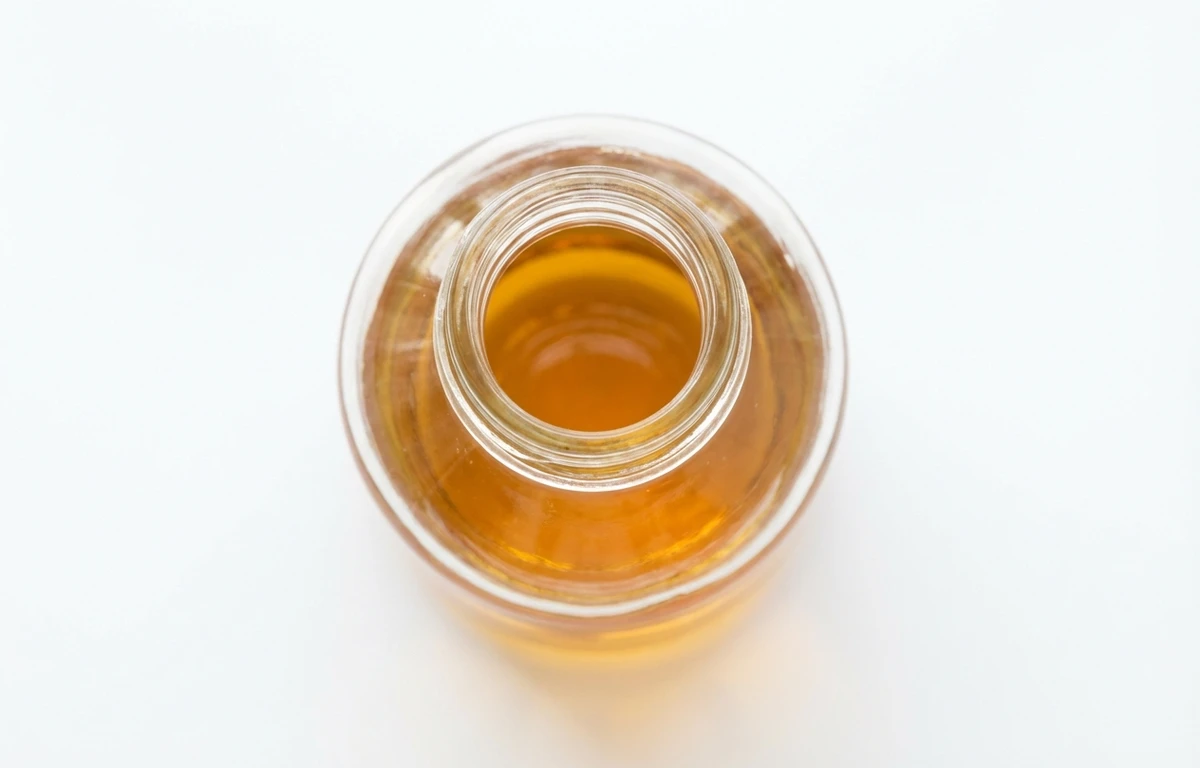
light soy sauce.
VegetarianVeganGluten-freeDairy-freeNut-freePeanut-freeSoy-freeEgg-freeShellfish-freeHoney-freeAlcohol-freeFermented
ALSO KNOWN AS
thin soy saucesheng choulight soya saucechinese light soy sauce
SERVING
CALORIES
60
PROTEIN
8.1g
CARBS
5.6g
FAT
0.10g
FIBER
0.80g
NUTRITION PROFILE · per 100 g
Everything in this ingredient.
MACRONUTRIENTS
Calories60kcal—
Protein8.1g16%
Carbohydrates5.6g2%
Fiber0.80g3%
Sugar1.5g3%
Total fat0.10g0%
Saturated fat0g0%
Trans fat0g—
Cholesterol0mg0%
Water70.2g—
MINERALS
Sodium5910mg257%
Potassium212mg5%
Calcium20mg2%
Iron1.4mg8%
Magnesium40mg10%
Phosphorus130mg10%
Zinc0.43mg4%
Copper0.11mg12%
Manganese0.48mg21%
Selenium0.80µg1%
VITAMINS
Vitamin A0µg0%
Vitamin C0mg0%
Vitamin D0µg0%
Vitamin E0mg0%
Vitamin K0µg0%
Thiamin (B1)0.06mg5%
Riboflavin (B2)0.15mg12%
Niacin (B3)0.40mg3%
Pantothenic acid (B5)0.30mg6%
Vitamin B60.20mg12%
Folate (B9)16µg4%
Vitamin B120µg0%
%DV based on a 2,000 cal diet. Source: USDA FoodData Central. A dash in the %DV column means there’s no established Daily Value for that nutrient.
MEASUREMENT CONVERSIONS
How much is what.
1 cup276g
1 tablespoon17.3g
1 teaspoon5.8g
1 oz32.6g
1 lb453.6g
1 ml1.2g
1 liter1150g
HEALTH BENEFITS
Why eat it.
- ✓Contains antioxidants from the fermentation process
- ✓Provides a source of plant-based protein
- ✓Contains small amounts of essential minerals like iron and magnesium
- ✓Can help reduce overall fat intake when used as a flavor enhancer instead of oils
- ✓Fermented nature may support digestive health in small quantities
COOKING TIPS
In the kitchen.
- 1Add towards the end of cooking to preserve its delicate aroma and flavor
- 2Use primarily for seasoning and saltiness rather than for coloring dishes
- 3Excellent for light-colored stir-fries, dipping sauces, and seafood marinades
STORAGE
Keep it fresh.
- Store in a cool, dark place away from direct sunlight
- Refrigerate after opening to maintain peak flavor and aroma
- Ensure the cap is tightly sealed to prevent oxidation and evaporation
FAQ
Frequently asked questions.
What is the difference between light and dark soy sauce?
Light soy sauce is thinner, saltier, and used for seasoning without darkening the food. Dark soy sauce is thicker, less salty, and used primarily for color and a richer, sweeter flavor.
Does light soy sauce contain gluten?
Yes, traditional light soy sauce is brewed with wheat and contains gluten. For a gluten-free alternative, use Tamari.
How long does light soy sauce last?
Unopened, it can last 2-3 years. Once opened, it is best used within 6-12 months if refrigerated to maintain its quality.
Can I substitute light soy sauce with dark soy sauce?
You can, but use less dark soy sauce as it will significantly change the color of the dish and add a different flavor profile. You may need to add extra salt.
Is light soy sauce vegan?
Yes, light soy sauce is made from soybeans, wheat, water, and salt, making it suitable for a vegan diet.
Why is light soy sauce so high in sodium?
Salt is a critical component of the fermentation process, acting as a preservative and flavor enhancer during the brewing of the soybeans.
How should I pick a high-quality light soy sauce?
Look for 'naturally brewed' or 'traditionally brewed' on the label. Avoid brands that use 'hydrolyzed soy protein' or artificial colors.
Can light soy sauce be frozen?
It is not recommended to freeze soy sauce as the high salt content prevents it from freezing solid, and it may affect the flavor profile.
What are common dishes that use light soy sauce?
It is a staple in stir-fries, fried rice, steamed fish, dipping sauces for dumplings, and various Asian marinades.
Is light soy sauce the same as 'all-purpose' soy sauce?
Most 'all-purpose' soy sauces found in Western grocery stores are closer to light soy sauce in consistency and saltiness, but authentic light soy sauce is specifically labeled as such.
RECIPES
Cook with light soy sauce.
8 recipes · sorted by what’s quick



















