
Dairy
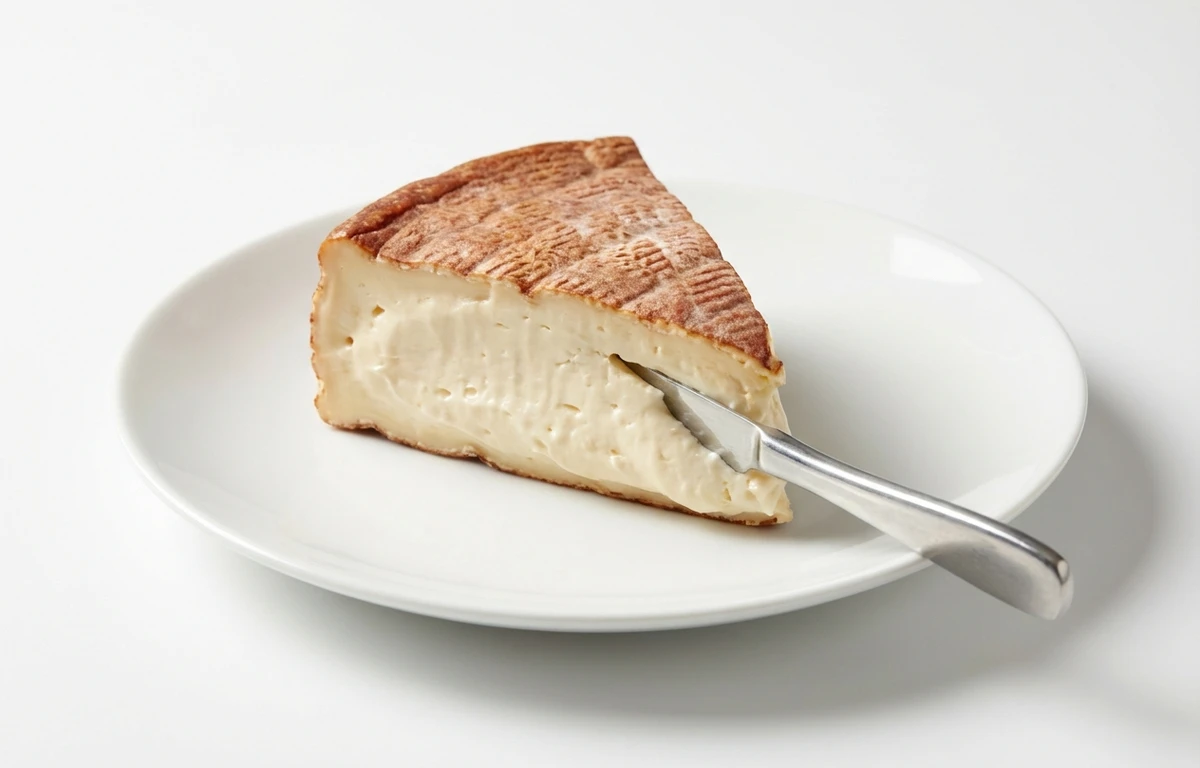
limburger cheese.
VegetarianVeganGluten-freeDairy-freeNut-freePeanut-freeSoy-freeEgg-freeShellfish-freeHoney-freeAlcohol-freeFermented
SERVING
CALORIES
327
PROTEIN
20.1g
CARBS
0.50g
FAT
27.2g
FIBER
0g
NUTRITION PROFILE · per 100 g
Everything in this ingredient.
MACRONUTRIENTS
Calories327kcal—
Protein20.1g40%
Carbohydrates0.50g0%
Fiber0g0%
Sugar0.50g1%
Total fat27.2g35%
Saturated fat16.7g84%
Trans fat0.80g—
Cholesterol90mg30%
Water48.4g—
MINERALS
Sodium800mg35%
Potassium128mg3%
Calcium497mg38%
Iron0.10mg1%
Magnesium21mg5%
Phosphorus393mg31%
Zinc2.1mg19%
Copper0.02mg2%
Manganese0.01mg0%
Selenium14.5µg26%
VITAMINS
Vitamin A250µg28%
Vitamin C0mg0%
Vitamin D0.50µg3%
Vitamin E0.20mg1%
Vitamin K2.3µg2%
Thiamin (B1)0.08mg7%
Riboflavin (B2)0.50mg38%
Niacin (B3)0.10mg1%
Pantothenic acid (B5)1.2mg24%
Vitamin B60.09mg5%
Folate (B9)58µg14%
Vitamin B121.0µg43%
%DV based on a 2,000 cal diet. Source: USDA FoodData Central. A dash in the %DV column means there’s no established Daily Value for that nutrient.
MEASUREMENT CONVERSIONS
How much is what.
1 cup132g
1 tablespoon15g
1 oz28.4g
1 lb453.6g
1 piece200g
HEALTH BENEFITS
Why eat it.
- ✓Excellent source of high-quality protein for muscle maintenance
- ✓Rich in calcium and phosphorus for bone health
- ✓Provides significant amounts of Vitamin B12 for nerve function
- ✓Contains probiotics due to the surface-ripening fermentation process
- ✓Good source of selenium which acts as an antioxidant
COOKING TIPS
In the kitchen.
- 1Allow the cheese to sit at room temperature for 30-60 minutes before serving to enhance flavor
- 2Traditionally served on dark rye bread with thick slices of raw onion
- 3Can be melted into sauces or onto burgers for a very pungent, savory profile
STORAGE
Keep it fresh.
- Store in its original foil or wrap in wax paper to allow the cheese to breathe
- Place inside an airtight container to prevent its strong odor from affecting other foods
- Keep in the coldest part of the refrigerator, ideally between 1°C and 4°C
FAQ
Frequently asked questions.
Why does Limburger cheese smell so strong?
The smell comes from Brevibacterium linens, the bacteria used to ripen the cheese, which is also found on human skin.
How long does Limburger cheese last in the fridge?
Once opened, it typically lasts 2 to 3 weeks if properly wrapped and stored in an airtight container.
Can you eat the rind of Limburger cheese?
Yes, the orange-brown rind is edible and contains much of the cheese's characteristic flavor and aroma.
What is a good substitute for Limburger cheese?
Taleggio, Liederkranz, or a very strong, aged Brick cheese are the closest substitutes in texture and pungency.
Is Limburger cheese vegetarian?
Traditionally no, as it is usually made using animal rennet during the curdling process.
How can I tell if Limburger has gone bad?
While it is naturally pungent, look for signs of unintended mold (like black or green fuzzy spots) or an ammonia-like smell that is overwhelming.
Can Limburger cheese be frozen?
It is not recommended as freezing significantly alters the texture, making it crumbly and less creamy upon thawing.
What beverages pair well with Limburger?
It pairs best with strong drinks that can stand up to its flavor, such as dark beers, stouts, or strong black coffee.
How does the flavor change as it ages?
Young Limburger (1 month) is firm and mild; at 2 months it is soft and savory; at 3 months it becomes very soft and highly pungent.



















