enzyme1 recipes
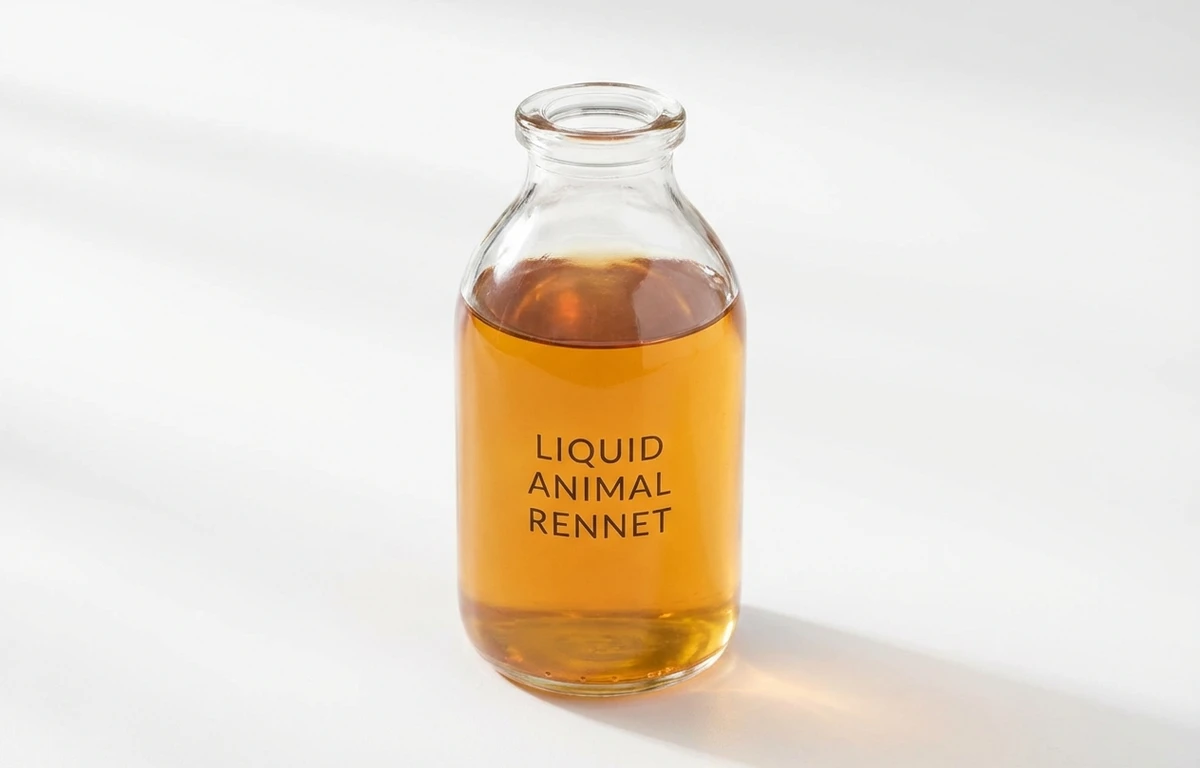
liquid animal rennet.
VegetarianVeganGluten-freeDairy-freeNut-freePeanut-freeSoy-freeEgg-freeShellfish-freeHoney-freeAlcohol-free
ALSO KNOWN AS
calf rennetnatural rennetbovine rennet
SERVING
CALORIES
2
PROTEIN
0.50g
CARBS
0.10g
FAT
0g
FIBER
0g
NUTRITION PROFILE · per 100 g
Everything in this ingredient.
MACRONUTRIENTS
Calories2.0kcal—
Protein0.50g1%
Carbohydrates0.10g0%
Fiber0g0%
Sugar0g0%
Total fat0g0%
Saturated fat0g0%
Trans fat0g—
Cholesterol0mg0%
Water97.5g—
MINERALS
Sodium1800mg78%
Potassium15mg0%
Calcium5.0mg0%
Iron0.10mg1%
Magnesium2.0mg0%
Phosphorus10mg1%
Zinc0.05mg0%
Copper0.01mg1%
Manganese0.01mg0%
Selenium0.10µg0%
Iodine0µg0%
VITAMINS
Vitamin A0µg0%
Vitamin C0mg0%
Vitamin D0µg0%
Vitamin E0mg0%
Vitamin K0µg0%
Thiamin (B1)0.01mg1%
Riboflavin (B2)0.01mg1%
Niacin (B3)0.01mg0%
Pantothenic acid (B5)0.01mg0%
Vitamin B60.01mg1%
Biotin (B7)0µg0%
Folate (B9)0µg0%
Vitamin B120.10µg4%
%DV based on a 2,000 cal diet. Source: USDA FoodData Central. A dash in the %DV column means there’s no established Daily Value for that nutrient.
MEASUREMENT CONVERSIONS
How much is what.
1 cup240g
1 tablespoon15g
1 teaspoon5g
1 oz28.4g
1 lb453.6g
1 ml1g
1 liter1000g
HEALTH BENEFITS
Why eat it.
- ✓Essential for traditional cheesemaking
- ✓Facilitates efficient protein coagulation
- ✓Aids in the development of complex cheese flavors
- ✓Highly concentrated enzyme activity
- ✓Natural source of chymosin
COOKING TIPS
In the kitchen.
- 1Always dilute in cool, non-chlorinated water before adding to milk
- 2Ensure milk is at the specific recipe temperature (usually 30-35°C) for activation
- 3Stir gently for exactly one minute to ensure even distribution without breaking curds
STORAGE
Keep it fresh.
- Store in the refrigerator between 1°C and 4°C (34-40°F)
- Keep in a dark container to protect from light degradation
- Do not freeze as it can permanently damage the enzyme structure
FAQ
Frequently asked questions.
Is liquid animal rennet nutritious or healthy on its own?
Liquid animal rennet itself is not consumed for its nutritional value. With only 8 calories and 2g of protein per 100g, its primary role is as an enzyme in cheesemaking, which then creates nutrient-rich cheese.
What are the health benefits associated with using liquid animal rennet in food production?
Liquid animal rennet is crucial for traditional cheesemaking, allowing for the creation of nutrient-rich cheeses. It helps coagulate milk, concentrating proteins and fats into a more digestible and preservable form, and contributes to the development of complex flavors and textures in aged cheeses.
Is liquid animal rennet vegetarian?
No, liquid animal rennet is not vegetarian. It is derived from the stomach lining of young ruminant animals, typically calves, making it an animal product. Vegetarians would opt for microbial or plant-based rennets.
Is liquid animal rennet vegan?
No, liquid animal rennet is not vegan. Since it is sourced directly from an animal, it is unsuitable for a vegan diet. Vegans would need to use plant-based or microbial rennets for cheesemaking.
Is cheese made with liquid animal rennet halal or kosher?
For cheese to be considered halal or kosher, the rennet used must also meet specific religious dietary laws. Animal rennet is generally not considered halal unless derived from an animal slaughtered according to Islamic rites. For kosher, it is typically not considered kosher unless from a kosher-slaughtered animal and processed under rabbinic supervision, or if the cheese is aged for a specific period. Many kosher cheeses use microbial rennet.
How is liquid animal rennet typically used in cooking or food preparation?
Liquid animal rennet is primarily used in cheesemaking to coagulate milk. A small, diluted amount is added to warmed milk, causing the milk proteins (casein) to curdle and separate into solid curds and liquid whey, which are then processed into cheese.
What does liquid animal rennet taste like?
Liquid animal rennet itself has a slightly bitter, enzymatic taste and is not meant for direct consumption. Its purpose is to act as a catalyst in cheesemaking, where its enzymatic action contributes to the final flavor profile of the cheese, rather than imparting its own taste directly.
How should liquid animal rennet be stored?
Liquid animal rennet should be stored in a cool, dark place, ideally refrigerated, to maintain its enzymatic activity. Keeping it tightly sealed will prevent contamination and evaporation, preserving its potency for cheesemaking.
How long does liquid animal rennet last?
When stored properly in the refrigerator, liquid animal rennet typically lasts for 6-12 months. Its potency may gradually decrease over time, so it's best to use it within its recommended shelf life for optimal cheesemaking results.
Can liquid animal rennet be frozen?
While some sources suggest freezing rennet can extend its shelf life, it's generally not recommended for liquid rennet as it can degrade the enzymes and reduce its effectiveness. Refrigeration is the preferred storage method to maintain its potency and ensure consistent results.
RECIPES
Cook with liquid animal rennet.
1 recipes · sorted by what’s quick