
Other2 recipes
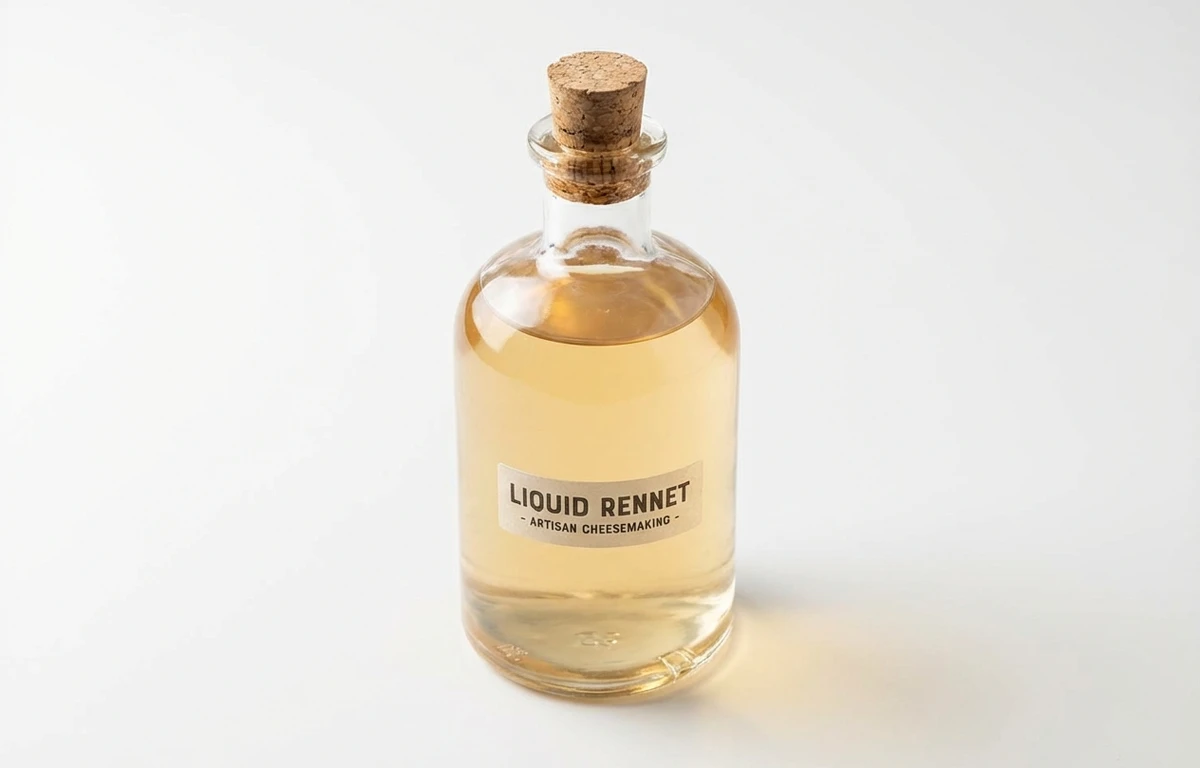
liquid rennet.
VegetarianVeganGluten-freeDairy-freeNut-freePeanut-freeSoy-freeEgg-freeShellfish-freeHoney-freeAlcohol-free
ALSO KNOWN AS
rennet liquidanimal rennetchymosin extract
SERVING
CALORIES
2
PROTEIN
0.50g
CARBS
0.10g
FAT
0g
FIBER
0g
This ingredient is flagged as naturally gluten-free. Per 100 g, it provides 0 µg of vitamin K.
NUTRITION PROFILE · per 100 g
Everything in this ingredient.
MACRONUTRIENTS
Calories2.0kcal—
Protein0.50g1%
Carbohydrates0.10g0%
Fiber0g0%
Sugar0g0%
Total fat0g0%
Saturated fat0g0%
Trans fat0g—
Cholesterol0mg0%
Water95g—
MINERALS
Sodium2800mg122%
Potassium15mg0%
Calcium5.0mg0%
Iron0.10mg1%
Magnesium2.0mg0%
Phosphorus10mg1%
Zinc0.05mg0%
Copper0.01mg1%
Manganese0.01mg0%
Selenium0.10µg0%
VITAMINS
Vitamin A0µg0%
Vitamin C0mg0%
Vitamin D0µg0%
Vitamin E0mg0%
Vitamin K0µg0%
Thiamin (B1)0.01mg1%
Riboflavin (B2)0.01mg1%
Niacin (B3)0.01mg0%
Pantothenic acid (B5)0.01mg0%
Vitamin B60.01mg1%
Folate (B9)0µg0%
Vitamin B120µg0%
%DV based on a 2,000 cal diet. Source: USDA FoodData Central. A dash in the %DV column means there’s no established Daily Value for that nutrient.
MEASUREMENT CONVERSIONS
How much is what.
1 cup247g
1 tablespoon15.4g
1 teaspoon5.1g
1 oz28.4g
1 lb453.6g
1 ml1g
1 liter1030g
HEALTH BENEFITS
Why eat it.
- ✓Essential for traditional cheese coagulation
- ✓Highly efficient protein-splitting enzyme
- ✓Enables the production of long-aged hard cheeses
- ✓Provides consistent curd strength
- ✓Minimal impact on final cheese flavor profile
COOKING TIPS
In the kitchen.
- 1Always dilute in cool, non-chlorinated water before adding to milk
- 2Add to milk warmed to approximately 30-32°C (86-90°F)
- 3Stir into milk for no more than 1 minute to ensure even distribution
STORAGE
Keep it fresh.
- Always store in the refrigerator between 1°C and 4°C
- Keep in a dark, airtight container to prevent light degradation
- Never freeze as it will destroy the enzyme activity
FAQ
Frequently asked questions.
Is liquid rennet healthy?
Liquid rennet itself is consumed in minuscule amounts and doesn't offer direct nutritional benefits as a food item. Its primary 'health benefit' lies in its essential role in transforming milk into cheese, which is a concentrated source of protein, calcium, and other vital nutrients.
How many calories and nutrients are in liquid rennet?
Per 100g, liquid rennet contains approximately 10 calories, 2.5g protein, 0.1g carbohydrates, and 0.1g fat. However, it's used in such small quantities (typically drops per gallon of milk) that its contribution to the final product's nutritional profile is negligible.
Is liquid rennet vegan or vegetarian?
Traditional liquid rennet is derived from the stomach lining of young ruminant animals, making it neither vegan nor vegetarian. However, there are widely available vegetarian and vegan alternatives, such as microbial rennet (produced from fungi) or plant-based rennet, suitable for those dietary preferences.
Is liquid rennet gluten-free?
Yes, liquid rennet is generally considered gluten-free. It is an enzyme preparation and does not typically contain wheat, barley, rye, or their derivatives. Always check the specific product label for certification if you have severe gluten sensitivities or allergies.
How is liquid rennet used in cooking or food preparation?
Liquid rennet is primarily used in cheesemaking to coagulate milk. A small, diluted amount is added to warmed milk, causing the milk proteins (casein) to curdle and separate into solid curds and liquid whey, which is the foundational step in forming cheese.
How much liquid rennet should I use for cheesemaking?
The exact amount varies based on the type of cheese, milk volume, and rennet strength. Typically, home cheesemakers use about 1/4 to 1/2 teaspoon of liquid rennet per gallon of milk. It's crucial to dilute it in a small amount of cool, non-chlorinated water before adding it to the milk for even distribution.
How long does liquid rennet last?
When stored correctly in the refrigerator, liquid rennet typically lasts for 6 to 12 months from the date of purchase or manufacture. Its potency can gradually decrease over time, so it's best to use it within its recommended shelf life for optimal results in cheesemaking.
What is liquid rennet made from?
Traditional liquid rennet is an extract from the fourth stomach of young, unweaned calves, containing the enzyme chymosin. However, modern liquid rennets can also be microbial (produced by the fermentation of specific fungi or bacteria) or plant-based (derived from certain plants like thistle or fig).
RECIPES
Cook with liquid rennet.
2 recipes · sorted by what’s quick



















