
Protein1 recipes
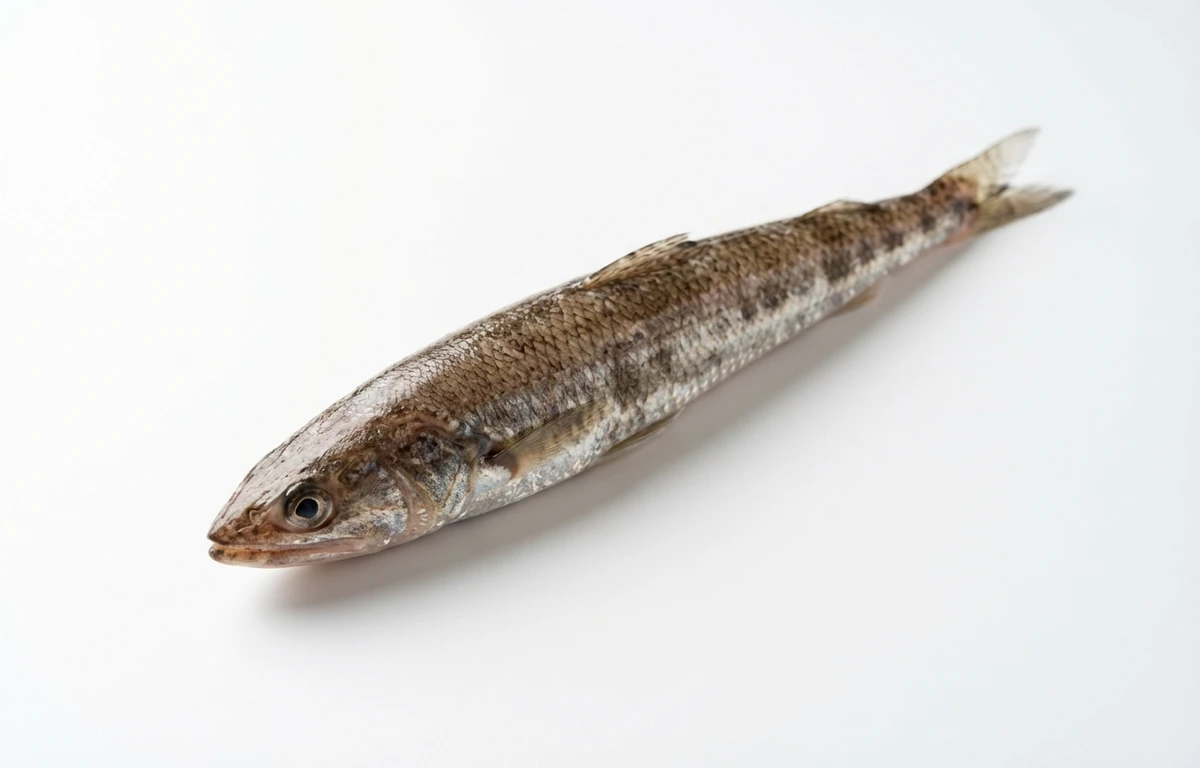
lizardfish.
VegetarianVeganGluten-freeDairy-freeNut-freePeanut-freeSoy-freeEgg-freeShellfish-freeHoney-freeAlcohol-free
ALSO KNOWN AS
bombay duckloitta maachbombillote mach
SERVING
CALORIES
97
PROTEIN
19.3g
CARBS
0g
FAT
2.0g
FIBER
0g
NUTRITION PROFILE · per 100 g
Everything in this ingredient.
MACRONUTRIENTS
Calories97kcal—
Protein19.3g39%
Carbohydrates0g0%
Fiber0g0%
Sugar0g0%
Total fat2.0g3%
Saturated fat0.43g2%
Cholesterol50mg17%
MINERALS
Sodium60mg3%
Potassium300mg6%
Calcium20mg2%
Iron0.50mg3%
Magnesium25mg6%
Phosphorus115mg9%
Zinc1.1mg10%
Copper0.10mg11%
Manganese0.40mg17%
Selenium2.5µg5%
VITAMINS
Vitamin A3.0µg0%
Vitamin C0mg0%
Vitamin D0µg0%
Vitamin E0.10mg1%
Vitamin K1.9µg2%
Thiamin (B1)0.10mg8%
Riboflavin (B2)0.10mg8%
Niacin (B3)1.6mg10%
Pantothenic acid (B5)0.60mg12%
Vitamin B60.20mg12%
Folate (B9)20µg5%
Vitamin B120µg0%
%DV based on a 2,000 cal diet. Source: USDA FoodData Central. A dash in the %DV column means there’s no established Daily Value for that nutrient.
MEASUREMENT CONVERSIONS
How much is what.
1 oz28.4g
1 lb453.6g
1 piece200g
HEALTH BENEFITS
Why eat it.
- ✓Excellent source of lean protein, crucial for muscle building, tissue repair, and overall body function.
- ✓Provides essential omega-3 fatty acids, which support cardiovascular health by reducing inflammation and improving cholesterol levels.
- ✓Rich in minerals such as phosphorus and calcium, which are vital for strong bones and teeth.
- ✓Contains selenium, a powerful antioxidant that helps protect cells from damage and supports immune system function.
COOKING TIPS
In the kitchen.
- 1Lizardfish is known for having many fine, intramuscular bones, making it ideal for processing into fish paste (surimi) or fish balls, a common application in Asian cuisine.
- 2Deep-frying is a popular method for cooking lizardfish, as the high heat can make the smaller bones brittle and edible.
- 3If filleting, be meticulous in removing the numerous small bones. The flesh is soft and can be used in soups, stews, or curries.
- 4The fish can also be steamed whole and the meat carefully picked from the bones after cooking.
STORAGE
Keep it fresh.
- Store fresh lizardfish in the coldest part of the refrigerator (below 40°F or 4°C) on a bed of ice and consume within 1-2 days.
- For long-term storage, wrap the fish tightly in plastic wrap and then in a freezer bag or freezer paper. It can be frozen at 0°F (-18°C) for up to 3 months for best quality.
FAQ
Frequently asked questions.
Is lizardfish healthy?
Yes, lizardfish is very healthy. It's an excellent source of lean protein, low in calories and fat, and provides essential nutrients like omega-3 fatty acids, phosphorus, calcium, and selenium. These nutrients support muscle health, bone strength, and overall well-being.
What are the nutritional benefits of lizardfish?
Per 100g, lizardfish offers approximately 97 calories, 19.3g of protein, 0g of carbohydrates, and 2g of fat. It's a rich source of lean protein crucial for muscle repair and growth, and also provides beneficial omega-3 fatty acids, phosphorus, calcium, and selenium.
Is lizardfish good for weight loss?
Yes, lizardfish can be an excellent choice for weight loss. It's very low in calories and fat while being high in protein (19.3g per 100g), which helps promote satiety and preserve muscle mass during calorie restriction. Its lean profile makes it a smart addition to a balanced diet.
Is lizardfish gluten-free?
Yes, lizardfish is naturally gluten-free. As a pure fish product, it does not contain any gluten. However, always check ingredients if consuming processed lizardfish products or dishes, as gluten-containing ingredients might be added during preparation.
Is lizardfish keto-friendly?
Yes, lizardfish is highly keto-friendly. With 0g of carbohydrates and a high protein content (19.3g per 100g), it fits perfectly into a ketogenic diet. Its low-fat profile means it can be paired with healthy fats to meet macro goals.
How do you cook lizardfish?
Lizardfish has a firm texture and mild flavor, making it versatile for cooking. Common methods include frying, grilling, baking, or steaming. It's often used in fish curries, soups, or simply pan-fried with spices.
What does lizardfish taste like?
Lizardfish has a mild, slightly sweet flavor with a firm, white, and flaky texture when cooked. It's not overly 'fishy,' making it appealing to those who prefer milder seafood. Its taste is often compared to other white fish like cod or snapper.
How do you store lizardfish?
Fresh lizardfish should be stored in the coldest part of your refrigerator, ideally on ice, and consumed within 1-2 days. For longer storage, it can be frozen for up to 3-6 months. Ensure it's properly wrapped to prevent freezer burn.
How do you know if lizardfish is fresh?
Look for clear, bright eyes, firm and shiny skin, and a mild, fresh sea smell. Avoid fish with cloudy or sunken eyes, dull skin, or a strong, 'fishy' odor. The flesh should spring back when lightly pressed.
Does lizardfish contain mercury?
Like most fish, lizardfish can contain trace amounts of mercury. However, it is generally considered a low-mercury fish due to its smaller size and position lower on the food chain. It can typically be consumed regularly as part of a balanced diet without significant mercury concerns.
RECIPES
Cook with lizardfish.
1 recipes · sorted by what’s quick



















