
Other3 recipes
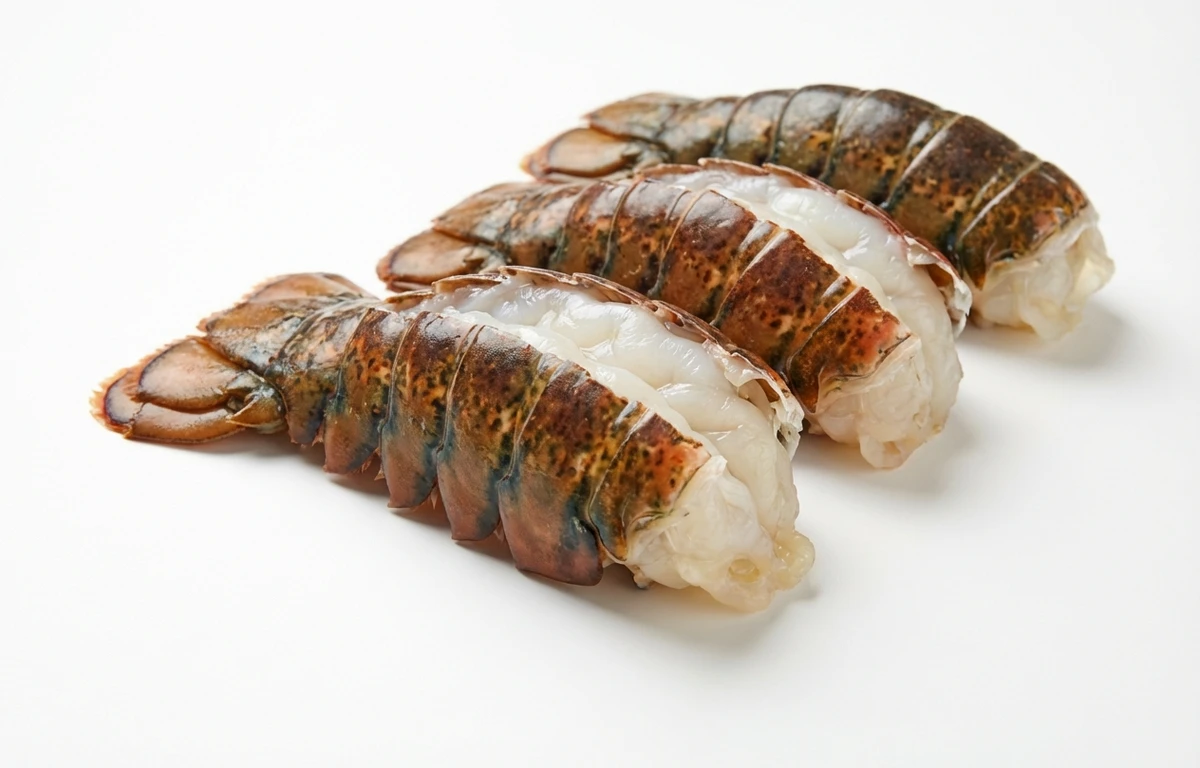
lobster tails.
VegetarianVeganGluten-freeDairy-freeNut-freePeanut-freeSoy-freeEgg-freeShellfish-freeHoney-freeAlcohol-freeKosher
SERVING
CALORIES
90
PROTEIN
19g
CARBS
0g
FAT
0.90g
FIBER
0g
This ingredient is flagged as naturally gluten-free. Per 100 g, it provides 0.10 µg of vitamin K.
NUTRITION PROFILE · per 100 g
Everything in this ingredient.
MACRONUTRIENTS
Calories90kcal—
Protein19g38%
Carbohydrates0g0%
Fiber0g0%
Sugar0g0%
Total fat0.90g1%
Saturated fat0.20g1%
Trans fat0g—
Cholesterol146mg49%
Water78.5g—
MINERALS
Sodium480mg21%
Potassium230mg5%
Calcium96mg7%
Iron0.30mg2%
Magnesium43mg10%
Phosphorus185mg15%
Zinc3.5mg32%
Copper1.5mg167%
Manganese0.05mg2%
Selenium73.4µg133%
VITAMINS
Vitamin A21µg2%
Vitamin C0mg0%
Vitamin D0µg0%
Vitamin E1.0mg7%
Vitamin K0.10µg0%
Thiamin (B1)0.01mg1%
Riboflavin (B2)0.02mg2%
Niacin (B3)1.5mg9%
Pantothenic acid (B5)0.50mg10%
Vitamin B60.10mg6%
Folate (B9)10µg3%
Vitamin B121.2µg50%
%DV based on a 2,000 cal diet. Source: USDA FoodData Central. A dash in the %DV column means there’s no established Daily Value for that nutrient.
MEASUREMENT CONVERSIONS
How much is what.
1 oz28.4g
1 lb453.6g
1 piece140g
HEALTH BENEFITS
Why eat it.
- ✓Excellent source of high-quality lean protein
- ✓Rich in Vitamin B12 for nerve function and DNA synthesis
- ✓Contains Omega-3 fatty acids for heart health
COOKING TIPS
In the kitchen.
- 1Butterfly the tail by cutting the top shell lengthwise to allow even heat distribution
- 2Avoid overcooking; lobster is done when the meat is opaque and reaches 60°C (140°F)
- 3Brush with butter or lemon juice during broiling to keep the meat moist
STORAGE
Keep it fresh.
- Keep frozen at -18°C (0°F) or below until ready to use
- Thaw overnight in the refrigerator inside a sealed container
- Once thawed, use within 24 to 48 hours and do not refreeze
FAQ
Frequently asked questions.
How can I tell if lobster tails are fresh?
The meat should be firm and white (or translucent if raw) with no dark spots or yellowing. It should have a mild sea scent, not a strong fishy or ammonia smell.
What is the best way to thaw frozen lobster tails?
The safest method is to place them in the refrigerator for 8-12 hours. For a quicker method, place them in a sealed plastic bag and submerge in cold water for 30-60 minutes.
Can I cook lobster tails while they are still frozen?
It is not recommended as the meat will become tough and cook unevenly. Always thaw completely before cooking for the best texture.
What is a good substitute for lobster tails?
Monkfish is often called 'poor man's lobster' due to its similar texture. Large shrimp, langoustines, or scallops can also work depending on the recipe.
How do I butterfly a lobster tail?
Using kitchen shears, cut down the center of the top hard shell towards the tail fin. Gently pull the shell apart and lift the meat to rest on top of the shell.
Is lobster high in cholesterol?
Yes, lobster is relatively high in dietary cholesterol (about 146mg per 100g), but it is very low in saturated fat, making it a lean protein choice.
How long do lobster tails last in the freezer?
When properly vacuum-sealed or tightly wrapped, they can last 6 to 12 months in the freezer, though quality is best within the first 3 months.
What are common ways to cook lobster tails?
The most popular methods are broiling, steaming, grilling, and poaching (butter-poaching is a gourmet favorite).
RECIPES
Cook with lobster tails.
3 recipes · sorted by what’s quick



















