
Loading...
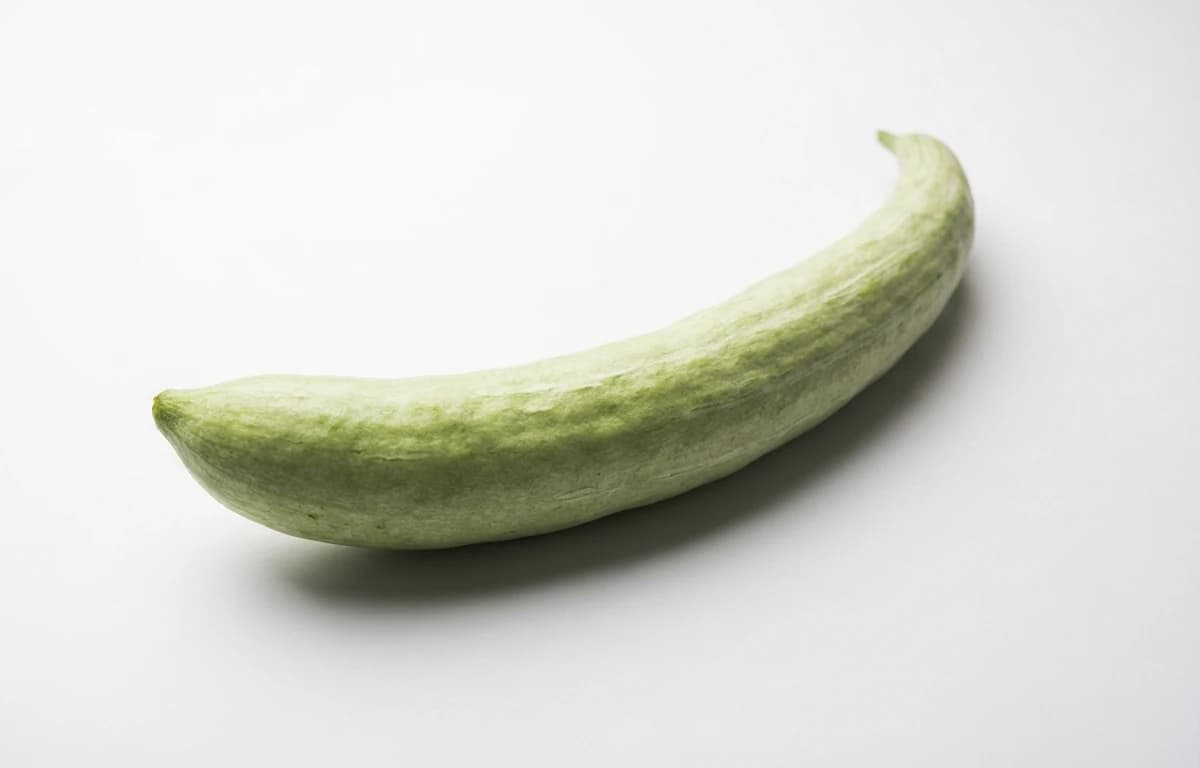
Also known as: snake gourd, chichinda, padwal, pudalangai, potlakaya, padavalanga, serpent gourd, long gourd
Per 100g
Nutrition data source: USDA FoodData Central
Common measurement equivalents in grams
When stored in a plastic bag in the crisper drawer, it typically stays fresh for 5 to 7 days.
You don't need to peel it completely. Lightly scraping the surface to remove the thin waxy layer is usually sufficient.
Zucchini, ridge gourd (turai), or bottle gourd (lauki) are the best substitutes due to their similar texture and water content.
Look for gourds that are firm, pale green, and heavy for their size. Avoid those with soft spots or yellowing skin.
While technically edible raw, it is almost always cooked (steamed, stir-fried, or in curries) to improve its flavor and digestibility.
Yes, it is extremely low in calories and high in water, making it an excellent volume food for weight management.
Wash it, scrape the skin, cut it lengthwise, scoop out the seeds/pith, and then slice it into half-moons or cubes.
Young snake gourds are mild, but older, more mature ones can develop a slight bitterness in the seeds and pith.
It is not recommended to freeze raw snake gourd due to its high water content, which makes it mushy upon thawing. Blanching before freezing is better.
long pale green snake gourd is a versatile ingredient found in cuisines around the world. With 18 calories per 100g and 0.6 grams of protein, it's a nutritious addition to many dishes.
Explore more ingredients in the vegetable category with complete nutrition information.
View all vegetable →Discover 0 recipes featuring long pale green snake gourd with step-by-step instructions.
Browse recipes →