
Loading...
Also known as:
Per 100g
Nutrition data source: USDA FoodData Central
Common measurement equivalents in grams
Yes, loose leaf black tea is generally considered very healthy. It's rich in antioxidants like flavonoids, which may help reduce the risk of chronic diseases. It also contains compounds that can support heart health, improve gut health, and enhance mental alertness.
A standard 8-ounce cup of plain brewed black tea contains virtually no calories, protein, carbs, or fat. The nutritional values for 100g of dry tea leaves are not representative of the brewed beverage, as only a small fraction of the leaf's mass is infused into the water.
While black tea itself is not a magic weight loss solution, it can be a beneficial part of a healthy diet. It's a calorie-free beverage that can help with hydration and may slightly boost metabolism due to its caffeine content. Replacing sugary drinks with black tea can contribute to calorie reduction.
Yes, pure loose leaf black tea is naturally vegan and gluten-free. It is made solely from the leaves of the Camellia sinensis plant. Always check for any added flavorings or ingredients if you have strict dietary concerns, but plain black tea is safe.
Yes, plain black tea is an excellent beverage choice for diabetics. It contains no sugar and has a glycemic index of zero. In fact, some studies suggest that compounds in black tea may help improve insulin sensitivity, but it should always be consumed without added sugar or sweeteners.
To brew, use about one teaspoon of loose leaf black tea per 8 ounces of freshly boiled water (around 200-212°F or 93-100°C). Steep for 3-5 minutes, depending on desired strength. Strain the leaves before drinking. Adjust steeping time for stronger or milder flavor.
loose leaf black tea is a versatile ingredient found in cuisines around the world. With 280 calories per 100g and 20 grams of protein, it's a nutritious addition to many dishes.
Explore more ingredients in the beverage ingredient category with complete nutrition information.
View all beverage ingredient →Discover 2 recipes featuring loose leaf black tea with step-by-step instructions.
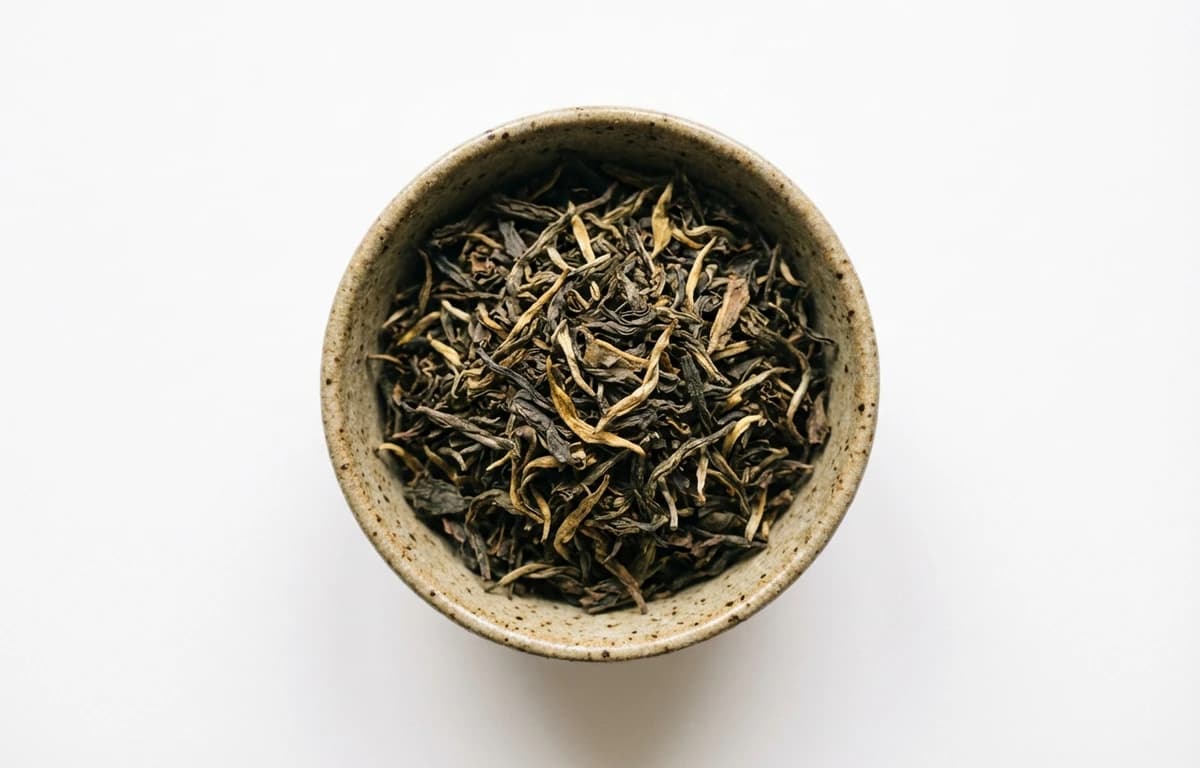
Browse recipes →Loose leaf black tea offers a wide range of flavors, generally characterized by robust, malty, earthy, or sometimes fruity and floral notes. It typically has a bolder, more astringent profile than green or white tea, with varying levels of sweetness and bitterness depending on the origin and processing.
Store loose leaf black tea in an airtight, opaque container away from light, moisture, heat, and strong odors. A cool, dark pantry is ideal. Proper storage helps preserve its delicate flavors and aromas for longer.
When stored properly, loose leaf black tea can maintain its quality for 1-2 years. While it doesn't truly 'spoil' in a harmful way, its flavor and aroma will gradually diminish over time. For the best taste, consume within a year of purchase.
Yes, black tea naturally contains caffeine. The amount varies depending on the tea variety, processing, and brewing method, but an 8-ounce cup typically contains between 30-80 milligrams of caffeine. It also contains L-theanine, which can promote focused alertness.