
Dairy
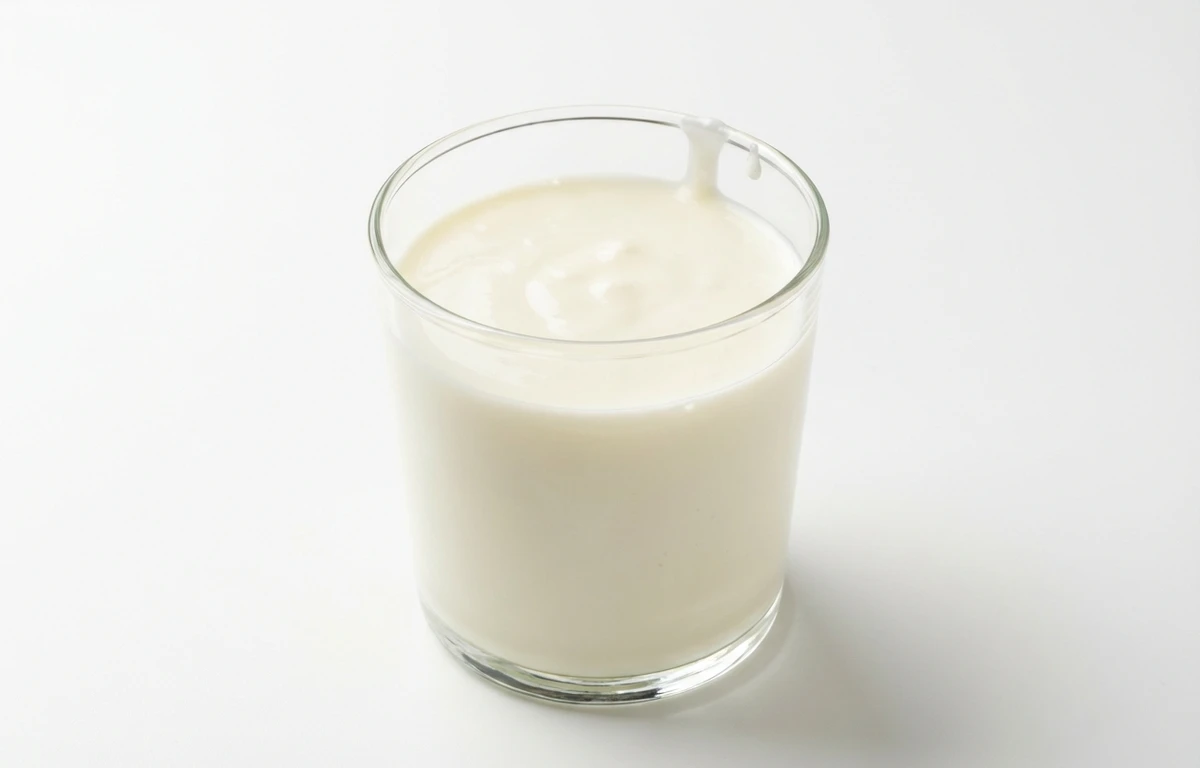
low fat buttermilk.
VegetarianVeganGluten-freeDairy-freeNut-freePeanut-freeSoy-freeEgg-freeShellfish-freeHoney-freeAlcohol-freeFermented
SERVING
CALORIES
40
PROTEIN
3.3g
CARBS
4.8g
FAT
0.90g
FIBER
0g
NUTRITION PROFILE · per 100 g
Everything in this ingredient.
MACRONUTRIENTS
Calories40kcal—
Protein3.3g7%
Carbohydrates4.8g2%
Fiber0g0%
Sugar4.8g10%
Total fat0.90g1%
Saturated fat0.50g3%
Trans fat0g—
Cholesterol4.0mg1%
Water90.1g—
MINERALS
Sodium105mg5%
Potassium151mg3%
Calcium116mg9%
Iron0.05mg0%
Magnesium11mg3%
Phosphorus89mg7%
Zinc0.40mg4%
Copper0.01mg1%
Manganese0mg0%
Selenium2.3µg4%
VITAMINS
Vitamin A1.0µg0%
Vitamin C1.0mg1%
Vitamin D0.10µg1%
Vitamin E0.01mg0%
Vitamin K0.10µg0%
Thiamin (B1)0.03mg3%
Riboflavin (B2)0.16mg12%
Niacin (B3)0.04mg0%
Pantothenic acid (B5)0.30mg6%
Vitamin B60.03mg2%
Folate (B9)5.0µg1%
Vitamin B120.22µg9%
%DV based on a 2,000 cal diet. Source: USDA FoodData Central. A dash in the %DV column means there’s no established Daily Value for that nutrient.
MEASUREMENT CONVERSIONS
How much is what.
1 cup247.2g
1 tablespoon15.5g
1 teaspoon5.2g
1 ml1g
1 liter1030g
HEALTH BENEFITS
Why eat it.
- ✓Supports gut health with probiotics (live cultures) that can aid digestion and boost the immune system.
- ✓Excellent source of calcium and often fortified with Vitamin D, both crucial for maintaining strong bones and teeth.
- ✓Provides high-quality protein for muscle repair and growth while being lower in calories and fat than whole milk.
- ✓May help lower blood pressure and cholesterol levels due to bioactive peptides formed during fermentation.
COOKING TIPS
In the kitchen.
- 1Use as a tenderizing marinade for poultry and pork; the lactic acid breaks down proteins, resulting in moist and tender meat.
- 2Activate leavening agents like baking soda in recipes for pancakes, biscuits, and cakes, creating a light and fluffy texture.
- 3Create a quick substitute by adding one tablespoon of white vinegar or lemon juice to one cup of low-fat milk and letting it stand for 5-10 minutes.
- 4Add a tangy flavor and creamy consistency to salad dressings, soups, and dips as a lower-fat alternative to cream or mayonnaise.
STORAGE
Keep it fresh.
- Refrigerate immediately at or below 40°F (4°C) in its original, tightly sealed container to maintain freshness.
- Use within 7-14 days of opening or by the expiration date. For longer storage, freeze in ice cube trays for up to 3 months to use in recipes.
FAQ
Frequently asked questions.
Is low fat buttermilk healthy?
Yes, low fat buttermilk is very healthy. It's rich in probiotics, calcium, and protein, while being low in fat and calories. It supports gut health, bone strength, and can contribute to a balanced diet.
What are the nutritional benefits of low fat buttermilk?
Low fat buttermilk is an excellent source of calcium and often fortified with Vitamin D, crucial for bone health. It provides high-quality protein for muscle maintenance and contains beneficial probiotics that support digestion and immune function. It may also help lower blood pressure and cholesterol.
How many calories and how much protein are in low fat buttermilk?
Per 100g, low fat buttermilk contains approximately 40 calories and 3.3g of protein. It also has 4.8g of carbohydrates and only 0.9g of fat, making it a nutrient-dense, low-calorie option.
Is low fat buttermilk lactose-free?
No, low fat buttermilk is not lactose-free. While the fermentation process reduces some lactose content, it still contains lactose and may not be suitable for individuals with severe lactose intolerance.
Is low fat buttermilk suitable for diabetics?
Low fat buttermilk can be suitable for diabetics in moderation. With 4.8g of carbohydrates per 100g, it has a relatively low glycemic index. However, diabetics should monitor their portion sizes and consider it as part of their overall carbohydrate intake.
Is low fat buttermilk keto-friendly?
Low fat buttermilk is not typically considered keto-friendly due to its carbohydrate content (4.8g per 100g). While lower than some dairy products, these carbs can quickly add up and exceed daily limits for a strict ketogenic diet.
What does low fat buttermilk taste like and how is it used in cooking?
Low fat buttermilk has a distinct tangy, slightly sour taste and a thicker consistency than regular milk. It's widely used in baking for tenderizing and leavening (e.g., pancakes, biscuits), in marinades for tenderizing meat, and in creamy dressings or dips.
Can I substitute low fat buttermilk with regular milk or yogurt?
For baking, you can create a buttermilk substitute by adding 1 tablespoon of lemon juice or white vinegar to 1 cup of regular low-fat milk and letting it sit for 5-10 minutes. Plain yogurt can also be thinned with a little milk or water as a substitute in some recipes, though the flavor and consistency will differ slightly.
How do you store low fat buttermilk and how long does it last?
Low fat buttermilk should be stored in the refrigerator at all times, ideally at 34-40°F (1-4°C). Once opened, it typically lasts for about 7-10 days, similar to regular milk. Always check the 'best by' date and look for signs of spoilage like an off smell or chunky texture.
Can I freeze low fat buttermilk?
Yes, you can freeze low fat buttermilk, but its texture may change upon thawing, becoming slightly grainy or separated. It's best used in cooked or baked recipes after freezing rather than for drinking or in applications where a smooth texture is crucial. Freeze in ice cube trays or airtight containers for best results.



















