
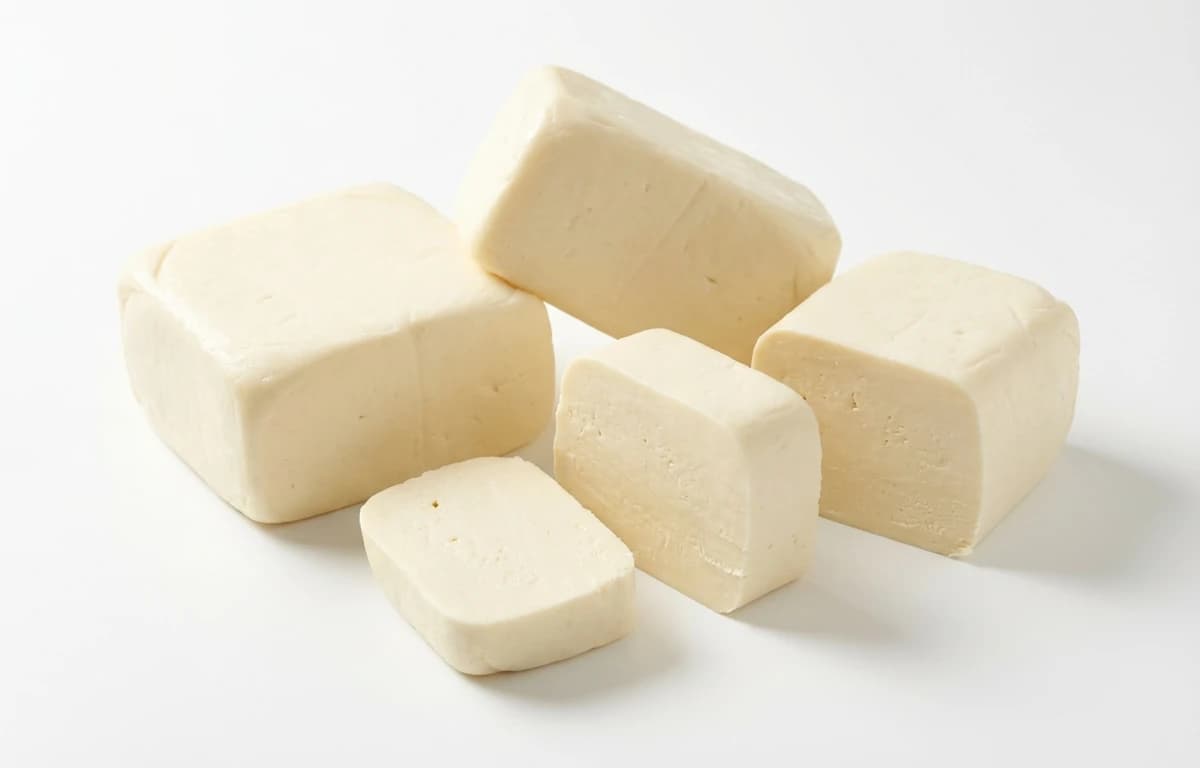
Loading...
Also known as: low moisture whole milk mozzarella, whole milk mozzarella block, pizza cheese, aged mozzarella, brick mozzarella
Per 100g
Nutrition data source: USDA FoodData Central
Common measurement equivalents in grams
Fresh mozzarella has a high water content and is usually sold in brine, while low-moisture mozzarella is soured longer and dried, giving it a longer shelf life and better melting properties for baking.
Unopened, it can last until the expiration date. Once opened, it should be consumed within 2 to 3 weeks if kept tightly sealed.
Yes, you can freeze it for up to 3 months. It is best to shred it before freezing so you can use only what you need for cooking.
Whole milk mozzarella has a higher fat content, which results in a creamier melt, better stretch, and less chance of the cheese burning or becoming tough in the oven.
Pure mozzarella cheese is naturally gluten-free. However, always check labels on pre-shredded cheese for gluten-containing anti-caking agents.
Provolone (mild), Monterey Jack, or Muenster are excellent substitutes due to their similar melting points and mild flavor profiles.
Mozzarella is relatively low in lactose compared to fresh milk, but it is not lactose-free. Most people with mild lactose intolerance can tolerate it in small amounts.
Look for signs of mold, a sour or ammonia-like smell, or a slimy texture. If any of these are present, the cheese should be discarded.
Low-Moisture Whole Milk Mozzarella Cheese is a versatile ingredient found in cuisines around the world. With 300 calories per 100g and 22.2 grams of protein, it's a nutritious addition to many dishes.
Explore more ingredients in the dairy category with complete nutrition information.
View all dairy →Discover 1 recipes featuring low-moisture whole milk mozzarella cheese with step-by-step instructions.
Browse recipes →Most commercial mozzarella uses microbial rennet and is vegetarian, but traditional mozzarella may use animal-derived rennet. Check the label for 'microbial enzymes'.