
Dairy
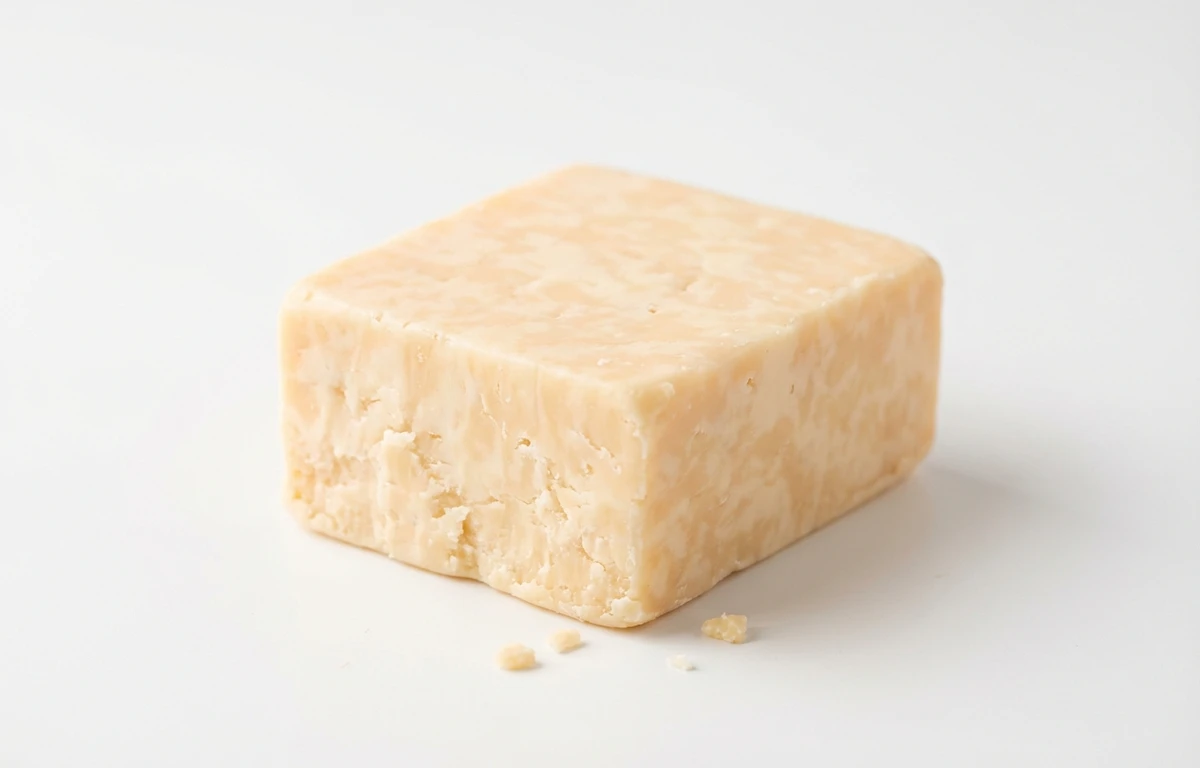
low-sodium cheddar or colby cheese.
VegetarianVeganGluten-freeDairy-freeNut-freePeanut-freeSoy-freeEgg-freeShellfish-freeHoney-freeAlcohol-freeHalalKosherFermented
SERVING
CALORIES
398
PROTEIN
24.4g
CARBS
1.9g
FAT
32.6g
FIBER
0g
NUTRITION PROFILE · per 100 g
Everything in this ingredient.
MACRONUTRIENTS
Calories398kcal—
Protein24.4g49%
Carbohydrates1.9g1%
Fiber0g0%
Sugar0.49g1%
Total fat32.6g42%
Saturated fat20.8g104%
Cholesterol100mg33%
Water39g—
MINERALS
Sodium21mg1%
Potassium112mg2%
Calcium703mg54%
Iron0.72mg4%
Magnesium27mg6%
Phosphorus484mg39%
Zinc3.1mg28%
Copper0.04mg4%
Manganese0.01mg0%
Selenium14.5µg26%
VITAMINS
Vitamin A264µg29%
Vitamin C0mg0%
Vitamin D0.60µg3%
Vitamin E0.28mg2%
Vitamin K2.7µg2%
Thiamin (B1)0.02mg2%
Riboflavin (B2)0.38mg29%
Niacin (B3)0.09mg1%
Pantothenic acid (B5)0.31mg6%
Vitamin B60.08mg5%
Folate (B9)18µg5%
Vitamin B120.83µg35%
%DV based on a 2,000 cal diet. Source: USDA FoodData Central. A dash in the %DV column means there’s no established Daily Value for that nutrient.
MEASUREMENT CONVERSIONS
How much is what.
1 cup132g
1 tablespoon8.3g
1 teaspoon2.8g
1 ml0.6g
1 liter550g
HEALTH BENEFITS
Why eat it.
- ✓Excellent source of calcium and phosphorus, which are vital for strong bones and teeth.
- ✓Provides high-quality complete protein, essential for muscle building, repair, and overall body function.
- ✓Lower sodium content helps in managing blood pressure and reducing the risk of cardiovascular disease compared to regular cheese.
- ✓Contains Vitamin K2, which plays a role in bone metabolism and cardiovascular health.
COOKING TIPS
In the kitchen.
- 1For the best melting results in sauces or on casseroles, shred the cheese from a block rather than using pre-shredded varieties, which contain anti-caking agents.
- 2When adding to hot dishes like soups or sauces, incorporate the cheese off the heat or at a very low temperature to prevent it from becoming stringy and oily.
- 3Allow the cheese to come to room temperature for about 30 minutes before serving on a platter to enhance its natural flavor and creamy texture.
- 4Since it is low-sodium, you may need to adjust the salt in your recipe. Taste the dish before adding extra salt.
STORAGE
Keep it fresh.
- Wrap the cheese tightly in wax paper or cheese paper, then place it in a plastic bag or container. Store in the refrigerator's cheese drawer at 35-40°F (2-4°C) for up to 3-4 weeks.
- For longer storage, cheese can be frozen for up to 6 months. Grate it first and store in an airtight freezer bag. Note that freezing can make the texture more crumbly upon thawing.
FAQ
Frequently asked questions.
Is low-sodium cheddar or colby cheese healthy?
Yes, low-sodium cheddar and colby cheese can be a healthy part of your diet. They are excellent sources of calcium and phosphorus for bone health, and provide high-quality protein. The reduced sodium content is particularly beneficial for managing blood pressure and supporting cardiovascular health.
How much protein and calories are in low-sodium cheddar or colby cheese?
Per 100g, low-sodium cheddar or colby cheese contains approximately 398 calories and 24.35g of protein. It also has 32.62g of fat and 1.91g of carbohydrates, making it a nutrient-dense food.
Is low-sodium cheddar or colby cheese good for weight loss?
While cheese is calorie-dense, its high protein and fat content can contribute to satiety, potentially helping with portion control. For weight loss, it's important to consume it in moderation as part of a balanced diet, focusing on portion sizes due to its calorie count.
Is low-sodium cheddar or colby cheese lactose-free?
Aged cheeses like cheddar are naturally very low in lactose due to the cheesemaking process, where most of the lactose is converted or drained away. Colby cheese, being a semi-hard cheese, also has very low lactose levels, making both generally well-tolerated by individuals with mild lactose intolerance.
Is low-sodium cheddar or colby cheese suitable for a keto diet?
Yes, low-sodium cheddar and colby cheese are excellent choices for a ketogenic diet. They are high in fat and protein while being very low in carbohydrates (around 1.91g per 100g), fitting well within the macronutrient requirements of a keto lifestyle.
What does low-sodium cheddar or colby cheese taste like?
Low-sodium cheddar cheese typically retains the characteristic sharp, nutty flavor of regular cheddar, though it might be slightly milder due to the reduced salt. Colby cheese is known for its mild, creamy, and slightly sweet flavor. Both offer a pleasant, savory taste that can be enjoyed in various dishes.
How can I use low-sodium cheddar or colby cheese in recipes?
These cheeses are incredibly versatile. You can grate them over salads, melt them into omelets or casseroles, use them in sandwiches, or simply enjoy them as a snack. Their melting properties make them great for grilled cheese, mac and cheese, or topping baked potatoes.
How should I store low-sodium cheddar or colby cheese?
To maintain freshness, store low-sodium cheddar or colby cheese in the refrigerator, ideally in its original packaging or tightly wrapped in parchment paper, then plastic wrap. This helps prevent it from drying out and absorbing other odors. Avoid direct contact with plastic wrap for extended periods to allow the cheese to breathe.
How long does low-sodium cheddar or colby cheese last?
Unopened, low-sodium cheddar or colby cheese can last for several months in the refrigerator, often past its 'best by' date. Once opened, it's best consumed within 3-4 weeks. Look for signs of spoilage like mold (other than intentional rinds), off-smell, or slimy texture.
What are the main benefits of choosing low-sodium cheddar or colby cheese?
The primary benefit is the significantly reduced sodium content, which is crucial for individuals monitoring their blood pressure or at risk of cardiovascular disease. It allows you to enjoy the nutritional benefits of cheese, such as calcium and protein, without the added sodium often found in regular varieties.



















