
soup/stock1 recipes
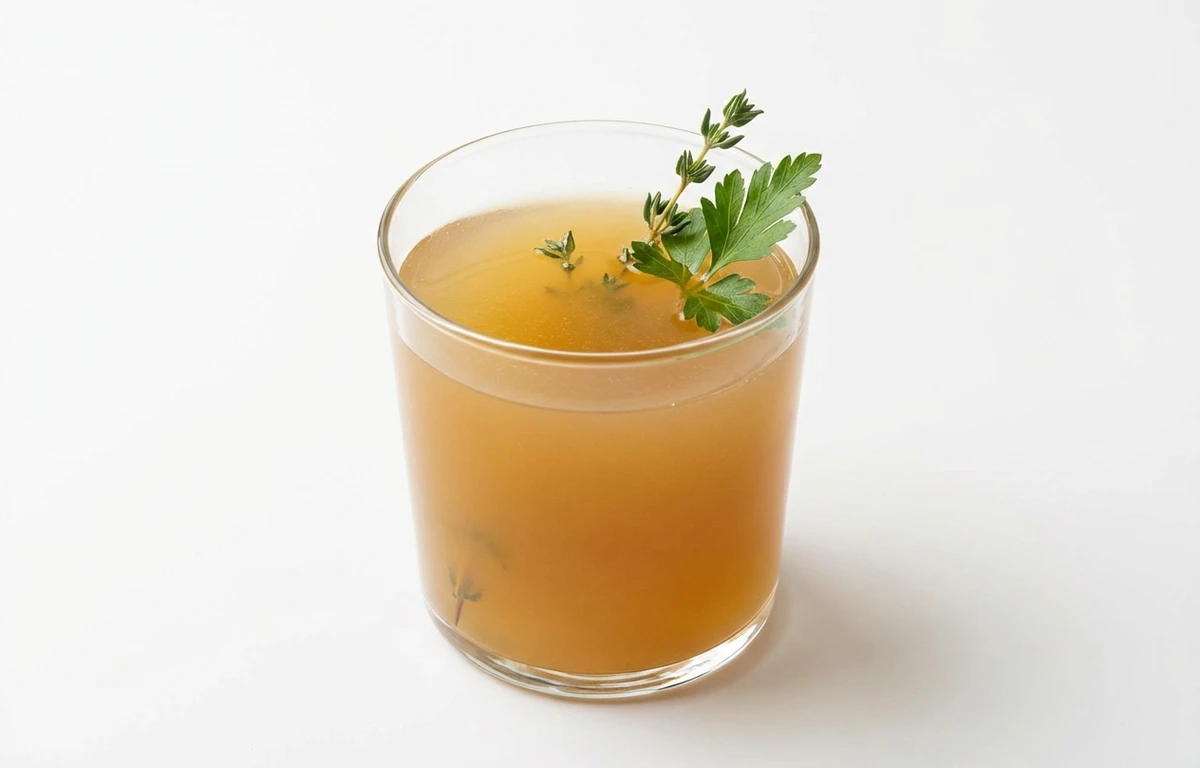
low-sodium chicken broth.
VegetarianVeganGluten-freeDairy-freeNut-freePeanut-freeSoy-freeEgg-freeShellfish-freeHoney-freeAlcohol-free
ALSO KNOWN AS
low-salt chicken stockreduced-sodium chicken brothchicken bouillon liquidchicken base liquid
SERVING
CALORIES
7
PROTEIN
0.80g
CARBS
0.50g
FAT
0.20g
FIBER
0g
NUTRITION PROFILE · per 100 g
Everything in this ingredient.
MACRONUTRIENTS
Calories7.0kcal—
Protein0.80g2%
Carbohydrates0.50g0%
Fiber0g0%
Sugar0.40g1%
Total fat0.20g0%
Saturated fat0.05g0%
Trans fat0g—
Cholesterol0mg0%
Water98.2g—
MINERALS
Sodium180mg8%
Potassium25mg1%
Calcium4.0mg0%
Iron0.10mg1%
Magnesium1.0mg0%
Phosphorus10mg1%
Zinc0.02mg0%
Copper0.01mg1%
Manganese0.01mg0%
Selenium0.20µg0%
VITAMINS
Vitamin A0µg0%
Vitamin C0mg0%
Vitamin D0µg0%
Vitamin E0mg0%
Vitamin K0µg0%
Thiamin (B1)0.01mg1%
Riboflavin (B2)0.01mg1%
Niacin (B3)0.20mg1%
Pantothenic acid (B5)0.05mg1%
Vitamin B60.01mg1%
Folate (B9)1.0µg0%
Vitamin B120.01µg0%
%DV based on a 2,000 cal diet. Source: USDA FoodData Central. A dash in the %DV column means there’s no established Daily Value for that nutrient.
MEASUREMENT CONVERSIONS
How much is what.
1 cup240g
1 tablespoon15g
1 teaspoon5g
1 oz28.4g
1 lb453.6g
1 ml1g
1 liter1000g
HEALTH BENEFITS
Why eat it.
- ✓Promotes hydration due to high water content
- ✓Low calorie alternative for flavoring dishes
- ✓Supports heart health by reducing sodium intake compared to standard broth
- ✓Provides a gentle source of minerals for recovery
- ✓Easy to digest for those with sensitive stomachs
COOKING TIPS
In the kitchen.
- 1Use to deglaze pans to incorporate flavorful browned bits without adding fat
- 2Substitute for water when cooking rice, quinoa, or couscous for added depth
- 3Simmer with a sprig of fresh rosemary or thyme to enhance the commercial flavor
STORAGE
Keep it fresh.
- Refrigerate in an airtight container immediately after opening
- Use within 4 to 5 days of opening for best quality
- Freeze in ice cube trays to use small portions later
FAQ
Frequently asked questions.
How long does low-sodium chicken broth last after opening?
Once opened, it should be refrigerated and used within 4 to 5 days. If it develops an off-smell or cloudy appearance, discard it.
Can I freeze chicken broth?
Yes, it freezes very well. You can freeze it in its original carton (if there is room for expansion), in freezer bags, or in ice cube trays for up to 6 months.
What is the difference between chicken broth and chicken stock?
Broth is typically made from meat and vegetables, resulting in a lighter flavor. Stock is made primarily from bones, giving it a richer, more gelatinous texture.
What can I use as a substitute for low-sodium chicken broth?
You can use vegetable broth, water with a small amount of bouillon, or even water with extra herbs and a pinch of salt.
Is low-sodium chicken broth gluten-free?
Most brands are naturally gluten-free, but some use yeast extract or thickeners derived from wheat. Always check the label for a gluten-free certification.
How do I pick a high-quality broth?
Look for brands with a short ingredient list, avoiding those with high amounts of sugar, MSG, or artificial colorings.
Why should I choose low-sodium over regular broth?
It allows you to control the salt level of your final dish and is a better choice for those monitoring their blood pressure or heart health.
Can I use this broth for my pets?
Only if it does not contain onions or garlic, which are toxic to dogs and cats. Most commercial broths contain these, so check the ingredients carefully.
How can I make store-bought broth taste homemade?
Simmer it for 10-15 minutes with fresh aromatics like ginger, peppercorns, or parsley stems before using it in your recipe.
RECIPES
Cook with low-sodium chicken broth.
1 recipes · sorted by what’s quick



















