
Dairy
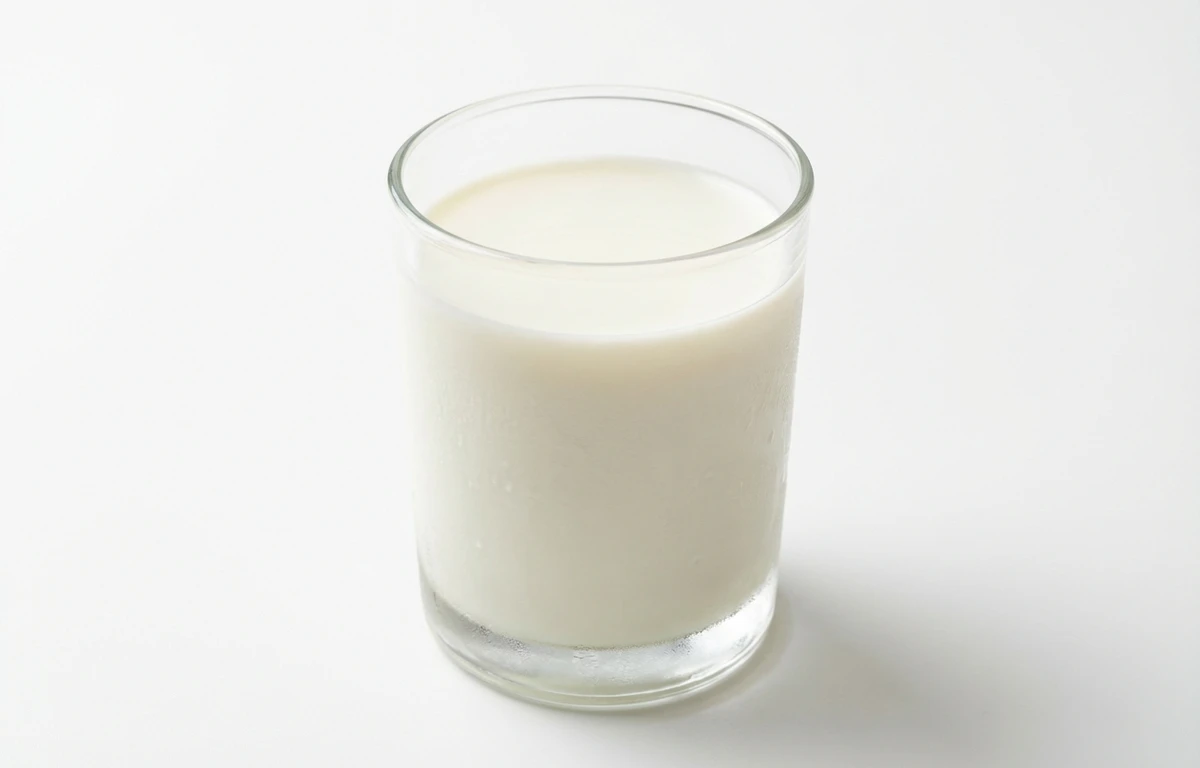
low sodium milk.
VegetarianVeganGluten-freeDairy-freeNut-freePeanut-freeSoy-freeEgg-freeShellfish-freeHoney-freeAlcohol-free
SERVING
CALORIES
61
PROTEIN
3.1g
CARBS
4.5g
FAT
3.5g
FIBER
0g
NUTRITION PROFILE · per 100 g
Everything in this ingredient.
MACRONUTRIENTS
Calories61kcal—
Protein3.1g6%
Carbohydrates4.5g2%
Fiber0g0%
Sugar4.5g9%
Total fat3.5g4%
Saturated fat2.1g11%
Cholesterol14mg5%
Water88.2g—
MINERALS
Sodium3.0mg0%
Potassium253mg5%
Calcium101mg8%
Iron0.05mg0%
Magnesium5.0mg1%
Phosphorus86mg7%
Zinc0.38mg3%
Copper0.01mg1%
Manganese0mg0%
Selenium2.0µg4%
VITAMINS
Vitamin A29µg3%
Vitamin C0.90mg1%
Vitamin D1.3µg7%
Vitamin E0.08mg1%
Vitamin K0.30µg0%
Thiamin (B1)0.02mg2%
Riboflavin (B2)0.11mg8%
Niacin (B3)0.04mg0%
Pantothenic acid (B5)0.30mg6%
Vitamin B60.03mg2%
Folate (B9)5.0µg1%
Vitamin B120.36µg15%
%DV based on a 2,000 cal diet. Source: USDA FoodData Central. A dash in the %DV column means there’s no established Daily Value for that nutrient.
MEASUREMENT CONVERSIONS
How much is what.
1 cup244g
1 tablespoon15.3g
1 teaspoon5.1g
1 ml1g
1 liter1016.7g
HEALTH BENEFITS
Why eat it.
- ✓Supports blood pressure management due to its reduced sodium content, which is beneficial for individuals with hypertension or on sodium-restricted diets.
- ✓Excellent source of calcium and vitamin D (if fortified), crucial for building and maintaining strong bones and teeth.
- ✓Provides high-quality complete protein, containing all essential amino acids necessary for muscle repair, growth, and overall body function.
- ✓Contributes to hydration while supplying essential nutrients like potassium, phosphorus, and B vitamins.
COOKING TIPS
In the kitchen.
- 1Use as a 1:1 substitute for regular milk in recipes like smoothies, oatmeal, and baked goods to lower the overall sodium content.
- 2When making sauces or soups, heat low-sodium milk gently over low to medium heat. Avoid boiling, as it can cause the milk to curdle or scorch.
- 3Its neutral, slightly less savory flavor compared to regular milk makes it ideal for delicate desserts and custards where you want other flavors to shine.
STORAGE
Keep it fresh.
- Refrigerate immediately at or below 40°F (4°C) to maintain freshness and prevent bacterial growth.
- Store in the main body of the refrigerator, not the door, to ensure a consistent, cold temperature. Use within 5-7 days of opening.
FAQ
Frequently asked questions.
Is low sodium milk healthy?
Yes, low sodium milk is a very healthy option, especially for those monitoring their sodium intake. It provides essential nutrients like calcium, vitamin D (if fortified), and high-quality protein, crucial for bone health and muscle function. Its reduced sodium content supports blood pressure management.
How does the nutritional content of low sodium milk compare to regular milk?
The primary difference is the significantly lower sodium content. Otherwise, low sodium milk typically has a very similar nutritional profile to regular milk of the same fat percentage, offering comparable amounts of calories (around 61 per 100g), protein (3.1g), carbs (4.46g), and fat (3.46g).
Is low sodium milk good for individuals with high blood pressure?
Absolutely. Low sodium milk is specifically beneficial for individuals with high blood pressure or those on sodium-restricted diets. By reducing dietary sodium intake, it helps manage blood pressure levels while still providing vital nutrients like calcium and potassium.
Is low sodium milk lactose-free?
Not necessarily. 'Low sodium' refers to the sodium content, not the lactose content. If you require a lactose-free option, you would need to look for 'lactose-free low sodium milk' specifically, as standard low sodium milk still contains lactose.
Can diabetics drink low sodium milk?
Yes, diabetics can generally drink low sodium milk. Its carbohydrate content (around 4.46g per 100g) is similar to regular milk, so it should be factored into their daily carb intake. It does not contain added sugars beyond the natural lactose.
Can I use low sodium milk in recipes that call for regular milk?
Yes, low sodium milk can be used as a direct substitute for regular milk in most cooking and baking recipes. Its texture and fat content are typically similar, ensuring it performs well in sauces, baked goods, and beverages without altering the outcome significantly.
Does low sodium milk taste different from regular milk?
Some people may notice a very subtle difference in taste due to the reduced sodium, which can slightly affect the perception of sweetness or richness. However, for most, the taste is very similar to regular milk, especially when used in recipes or with other flavors.
How much sodium is typically in low sodium milk?
Low sodium milk typically contains significantly less sodium than regular milk. While regular milk might have around 50-60mg of sodium per 100ml, low sodium versions often contain 20mg or less per 100ml, representing a substantial reduction.
How should I store low sodium milk, and how long does it last?
Store low sodium milk in the refrigerator at 40°F (4°C) or below, just like regular milk. Once opened, it typically lasts for about 7-10 days, depending on the specific product and storage conditions. Always check the 'best by' date on the carton.
Is low sodium milk suitable for children?
Yes, low sodium milk is generally suitable for children, especially if they are old enough for cow's milk (typically after age one). It provides essential nutrients for growth and development, including calcium and protein, without excessive sodium. Consult a pediatrician for specific dietary advice for very young children.



















